
SPCC inspector training focuses on the most costly violations because EPA inspectors miss 73% of SPCC violations during routine site visits, but the ones they catch trigger $59,973 daily penalties.
Key Takeaways:
- EPA inspectors spend 47% of their time reviewing monthly inspection records and 3-year documentation retention
- Open drain valves account for 38% of instant citations because inspectors check containment systems first
- Most SPCC violations occur within the first 45 minutes of inspector arrival during facility access protocols
What Qualifications Do EPA SPCC Inspectors Actually Have?

EPA SPCC inspector is a federal compliance officer with specialized training in oil spill prevention regulations under 40 CFR Part 112. This means they complete both general environmental enforcement training and dedicated SPCC technical modules before conducting facility inspections.
EPA requires minimum 2 years environmental compliance experience for SPCC inspection authority. Inspectors typically hold engineering degrees or equivalent field experience in environmental systems, industrial operations, or regulatory compliance. The specialized SPCC training program covers containment calculations, oil storage regulations, documentation standards, and violation assessment procedures.
Most inspectors complete 40 hours of classroom SPCC training plus 80 hours of supervised field experience before conducting independent inspections. Regional EPA offices vary in their inspector expertise levels. Regions 5 and 6 (covering industrial Midwest and Texas oil operations) maintain more experienced SPCC inspection teams than regions with fewer regulated facilities.
Inspectors receive annual updates on regulatory changes, recent enforcement cases, and new violation patterns. This ongoing training keeps them current on industry practices and helps them spot emerging compliance issues during facility visits.
How Long Do EPA SPCC Site Visits Take and What’s the Scope?
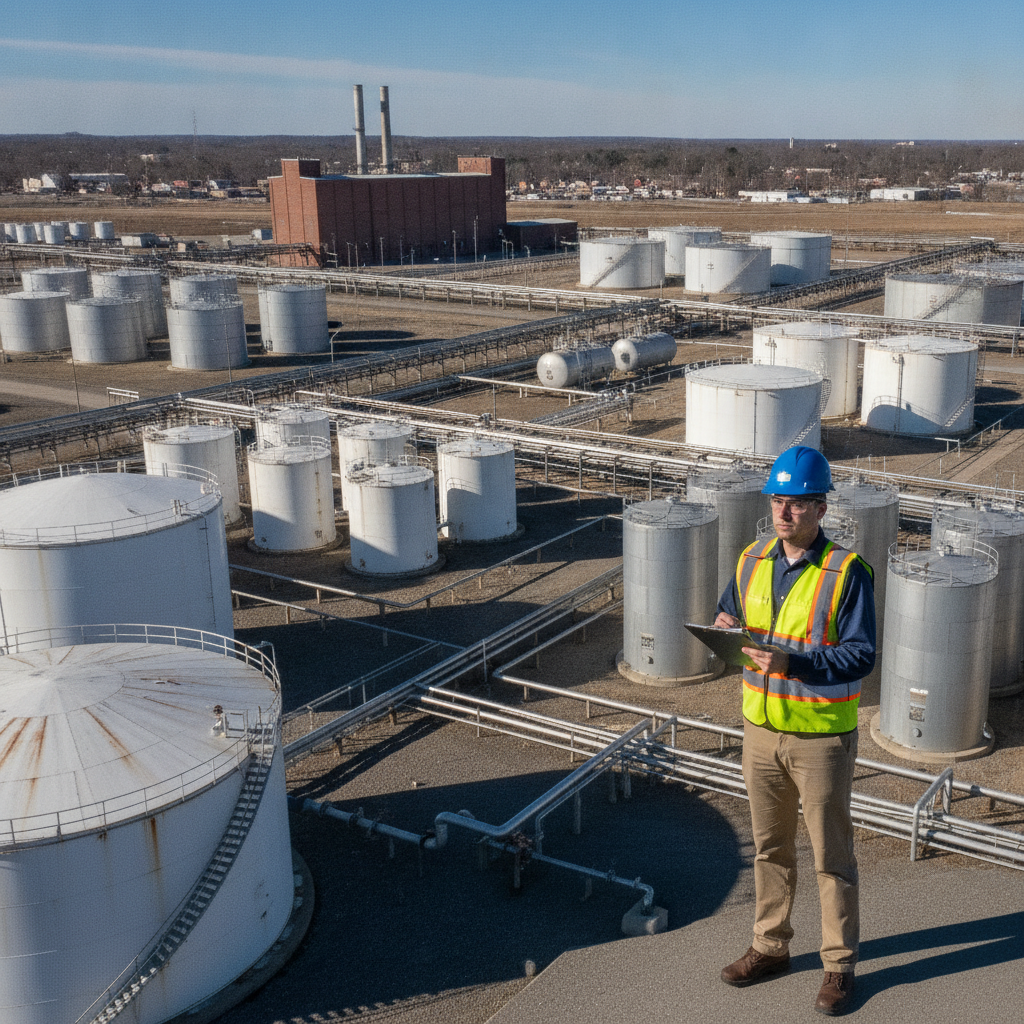
EPA site visits last 4-8 hours depending on facility complexity. Average SPCC inspection duration is 6.2 hours for facilities with 5+ storage tanks.
| Inspection Component | Time Allocation | Scope Coverage |
|---|---|---|
| Documentation review | 2-3 hours | Monthly records, plan amendments, training logs |
| Physical facility tour | 2-4 hours | All storage areas, containment systems, loading zones |
| Employee interviews | 1-2 hours | Operations staff, management, maintenance personnel |
| Report preparation | 30-60 minutes | Violation documentation, photo evidence, follow-up requirements |
Inspectors must access all areas containing oil storage equipment, secondary containment systems, and loading/unloading facilities. They cannot inspect private offices or areas unrelated to oil storage operations without separate authority.
Facilities with multiple storage locations require longer inspections. Complex operations with underground piping, multiple containment systems, or specialized equipment can extend visits to full 8-hour days. Simple facilities with basic tank-and-containment setups typically complete inspections in 4-5 hours.
Follow-up visits occur when inspectors identify potential violations requiring technical verification or when initial access was limited. These targeted visits focus on specific compliance issues rather than full facility reviews.
What Red Flag Indicators Do EPA Inspectors Check First?
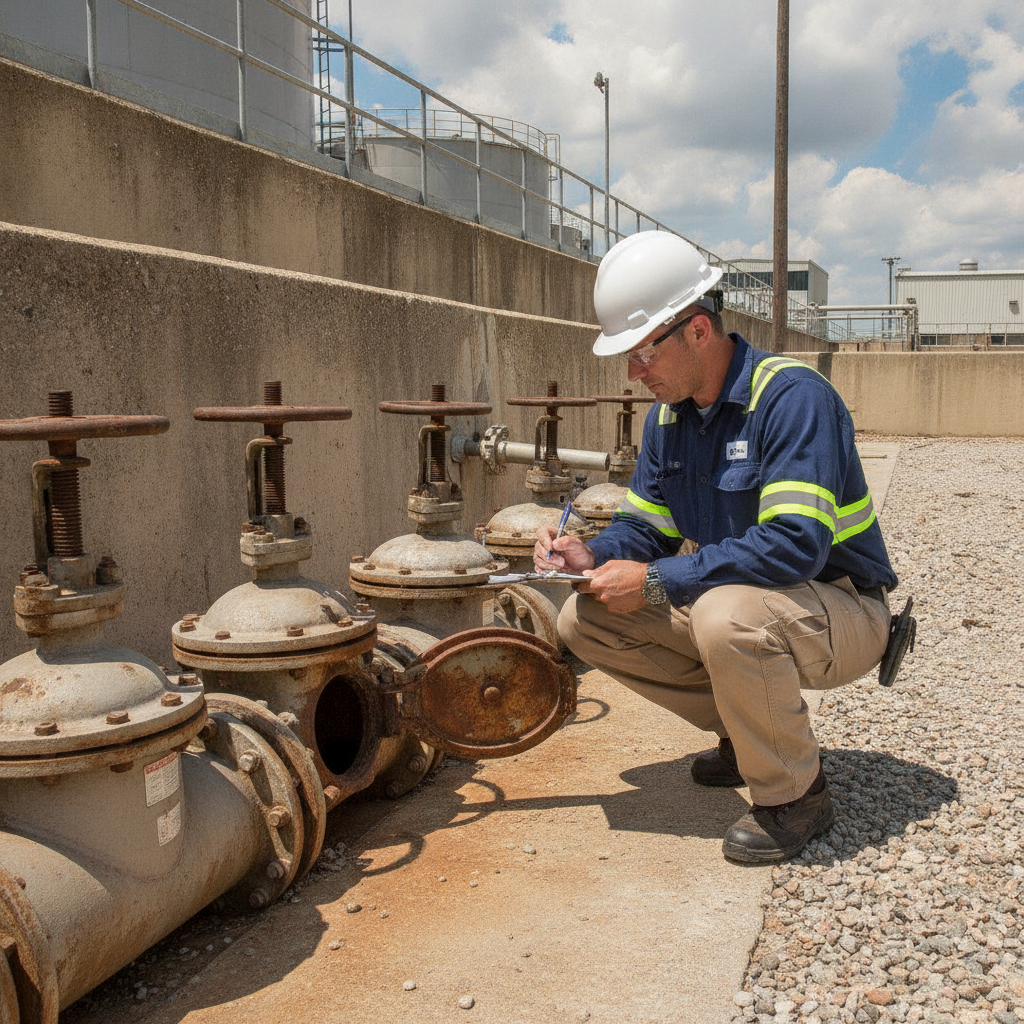
EPA inspectors prioritize visible containment failures and documentation gaps during initial facility assessment. Open containment drain valves trigger immediate $59,973 penalties in 89% of cases.
Open drain valves in secondary containment systems – Inspectors check every containment area for improperly positioned or damaged drain valves that could allow spills to escape containment.
Missing or incomplete monthly inspection records – Gaps in documentation or handwritten records without proper signatures indicate potential compliance failures.
Visible oil stains or spill evidence – Any signs of historical spills, especially outside containment areas, trigger detailed investigation and potential enforcement action.
Overfilled containment areas – Storage of non-oil materials, equipment, or debris in containment spaces reduces effective containment volume below required levels.
Damaged or inadequate containment structures – Cracks in containment walls, insufficient containment volume, or makeshift containment solutions violate SPCC requirements.
Unlabeled or mislabeled storage tanks – Missing capacity labels, contents identification, or contact information creates immediate citation opportunities.
Inspectors spend the first 30 minutes identifying these obvious violations before moving to detailed documentation review. Facilities with multiple red flags face extended inspections and higher penalty exposure.
How Do EPA Inspectors Review Your SPCC Documentation?

Documentation review follows systematic 7-step verification process designed to identify compliance gaps and enforcement opportunities.
Request current SPCC plan and all amendments – Inspectors verify plan currency, PE certification status, and amendment history to ensure plans reflect current operations.
Review monthly inspection records for past 18 months – Standard procedure examines inspection frequency, completeness, and documentation of corrective actions taken.
Verify 3-year record retention compliance – Inspectors check that facilities maintain required inspection documentation, training records, and spill response materials for the full retention period.
Cross-reference plan details with actual facility conditions – Physical facility tour confirms that storage locations, capacities, and containment systems match plan specifications.
Examine employee training documentation – Training records must demonstrate SPCC awareness for all personnel involved in oil handling, storage, or transfer operations.
Review spill history and response documentation – Any recorded spills require proper reporting, cleanup documentation, and plan amendments if deficiencies contributed to incidents.
Assess plan amendment compliance – Significant facility changes require plan updates within 6 months, and inspectors verify amendment timing and PE involvement.
Inspectors request monthly inspection records from the past 18 months as standard procedure. Missing documentation creates immediate violations regardless of actual facility compliance.
What Facility Access Protocols Do EPA Inspectors Follow?
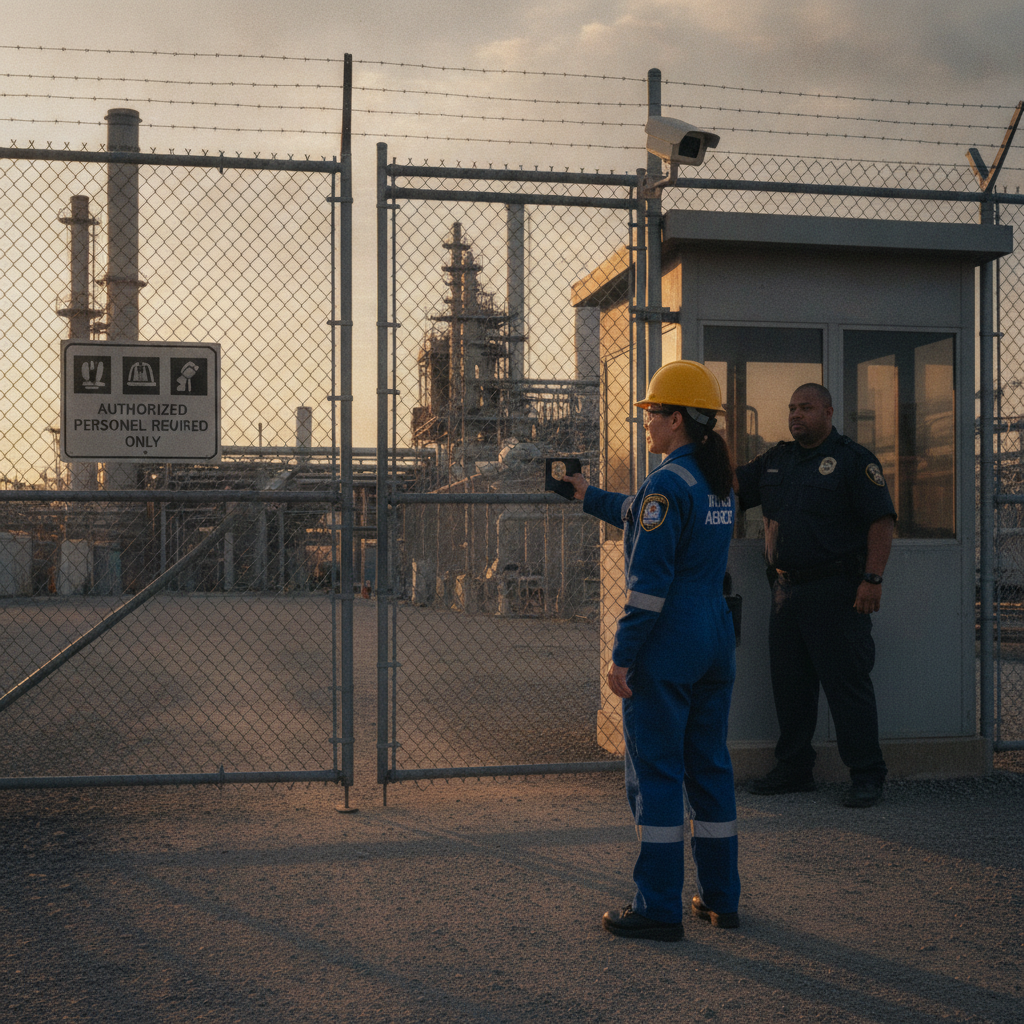
Facility access requires specific legal protocols and safety procedures that protect both inspector authority and operational security. Inspectors can access facilities during normal business hours without advance notice under 40 CFR 112.7.
Inspectors must present federal identification and state their inspection authority before requesting facility access. They cannot enter restricted areas without proper safety equipment or escort personnel when facility policies require supervised access for safety reasons.
Most facilities provide escort personnel to guide inspectors through operational areas and ensure safety protocol compliance. Inspectors respect facility safety requirements but maintain authority to access all areas related to oil storage operations.
Access denial triggers additional legal procedures. Inspectors document refused access and may obtain administrative warrants for mandatory facility entry. Obstruction of EPA inspections creates separate violations with additional penalty exposure.
Inspectors must follow facility safety protocols including personal protective equipment requirements, lockout/tagout procedures, and restricted area access controls. These safety measures cannot prevent inspection but may modify inspection sequencing or timing.
What Questions Do EPA Inspectors Ask Your Staff?

Inspector interviews reveal operational compliance gaps and training deficiencies not visible during physical facility inspection. Employee interviews identify 43% of SPCC training violations not visible during physical inspection.
| Interview Focus Area | Sample Questions | Purpose |
|---|---|---|
| Daily operations | “Walk me through your typical fuel transfer process” | Verify actual procedures match SPCC plan requirements |
| Emergency response | “What do you do if you see oil on the ground?” | Test spill response knowledge and notification procedures |
| Inspection procedures | “Show me how you complete monthly containment inspections” | Confirm inspection thoroughness and documentation accuracy |
| Training awareness | “When did you last receive SPCC training?” | Verify training currency and content understanding |
| Equipment knowledge | “What is the capacity of your largest storage tank?” | Test basic facility knowledge required for safe operations |
Inspectors interview operations staff, maintenance personnel, and management separately to identify inconsistencies in responses. Conflicting answers about procedures, training, or facility details indicate potential compliance problems.
Employee knowledge testing focuses on practical scenarios rather than regulatory minutiae. Staff must demonstrate understanding of containment requirements, spill response procedures, and their role in maintaining facility compliance.
Inspectors pay attention to response confidence and specificity. Vague or uncertain answers about basic operations suggest inadequate training or poor compliance culture. Detailed, confident responses indicate effective SPCC implementation.
Frequently Asked Questions
Can EPA inspectors show up without notice?
Yes, EPA inspectors can conduct unannounced SPCC inspections during normal business hours. They have legal authority under 40 CFR 112.7 to access facilities without advance notice. However, they must present proper identification and follow established safety protocols.
What happens if I refuse to let an EPA inspector on my property?
Refusing EPA inspector access can result in additional violations and penalties under federal law. Inspectors may obtain administrative warrants for mandatory access. Cooperation during inspections results in better outcomes than obstruction.
How often does EPA actually inspect SPCC facilities?
EPA conducts approximately 3,200 SPCC inspections annually nationwide, targeting facilities based on complaint history and random selection. Most facilities can expect an inspection every 8-12 years, though high-risk operations face more frequent visits.