
The SPCC plan amendment process catches most facilities off guard because they don’t know that a 250-gallon tank addition triggers a complete plan review under 40 CFR Part 112.
Key Takeaways:
- Facilities must amend SPCC plans within 6 months of any change affecting the 1320-gallon threshold or secondary containment design
- Professional engineer re-certification costs between $3,000-$8,000 depending on amendment complexity and facility size
- EPA identifies amendment trigger violations in 73% of SPCC inspections, making this the most common compliance failure
When Do You Need to Amend Your SPCC Plan?
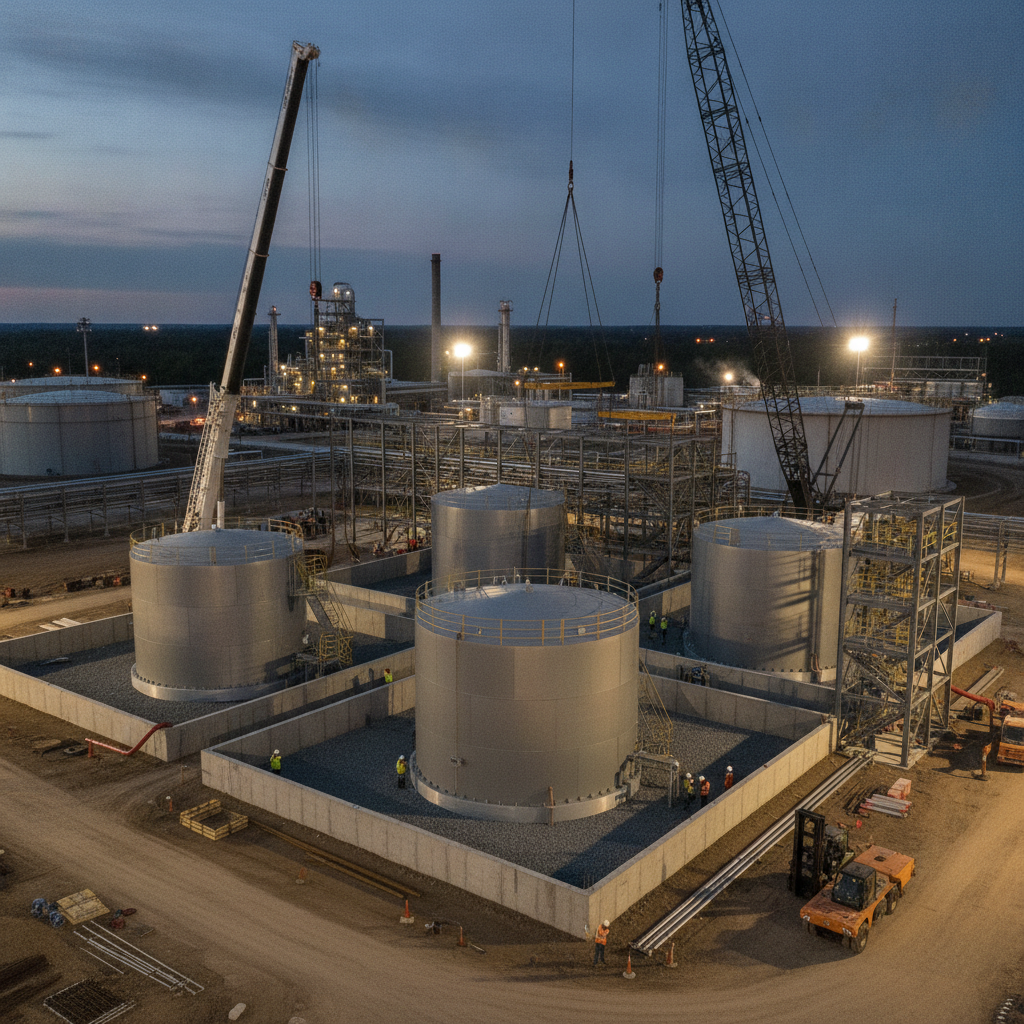
Facility changes trigger SPCC plan amendments more often than most managers expect. The 1320-gallon threshold creates a moving target as you add tanks, modify storage areas, or change operational procedures. Missing these triggers lands facilities in violation faster than any other compliance misstep.
The amendment requirement kicks in when three types of changes occur at your facility. Physical changes include new tanks, piping modifications, secondary containment alterations, or loading rack installations. Operational changes cover revised procedures, different oil types, modified transfer methods, or updated inspection schedules. Administrative changes involve facility ownership transfers, responsible manager changes, or contact information updates.
| Change Type | Amendment Trigger | Timeline |
|---|---|---|
| Tank addition >1,000 gallons | Affects aggregate capacity | 6 months |
| Secondary containment modification | Structural change | 6 months |
| New oil type storage | Different spill characteristics | 6 months |
| Piping route changes | Flow pattern alteration | 6 months |
| Facility ownership transfer | Administrative update | 6 months |
| Emergency contact changes | Plan accuracy requirement | 30 days |
Here’s what catches people: adding a 250-gallon diesel tank to a facility already storing 1,100 gallons pushes you over critical thresholds that change your entire compliance picture. The 40 CFR Part 112 regulation doesn’t grandfather existing configurations when you expand.
Secondary containment modifications always trigger amendments, even minor ones. Installing a drain valve, adding a sump pump, or raising berm walls counts as structural changes requiring documentation updates. The regulation treats containment integrity as non-negotiable.
You get a 6-month window from the triggering event to complete your amendment. This deadline applies whether the change was planned or emergency-driven. EPA doesn’t accept “we didn’t know” as a defense during inspections.
How Do You Start the SPCC Plan Amendment Process?

The amendment process begins with facility change assessment before you touch your existing plan. You need to document what changed, when it changed, and how it affects your oil storage compliance picture under 40 CFR Part 112.
Document the triggering change within 14 days of completion. Record installation dates, equipment specifications, capacity changes, and any secondary containment modifications. This creates your legal timeline baseline.
Assess the change’s impact on your existing SPCC plan sections. Review your facility diagram, tank inventory, secondary containment calculations, and spill response procedures to identify affected areas.
Determine amendment scope versus full plan rewrite. Minor changes like adding one tank require targeted amendments. Major expansions or operational overhauls often need complete plan replacement.
Identify professional engineer involvement requirements. Structural changes, secondary containment modifications, and capacity increases typically require PE certification under current regulations.
Gather updated facility information including revised site plans, tank specifications, piping diagrams, and containment calculations. Your amendment quality depends on accurate baseline data.
Compare your changes against SPCC plan requirements to ensure the amendment addresses all regulatory gaps. This prevents cascading compliance issues down the road.
The 14-day documentation window isn’t a legal requirement, but it protects you during EPA inspections. Inspectors look for evidence that you recognized triggering events promptly and responded appropriately.
One thing I should mention: don’t start writing the amendment until you complete your impact assessment. Facilities often rush into plan modifications without understanding the full scope, creating incomplete amendments that fail inspection scrutiny.
What Documentation Standards Apply to Plan Amendments?

Amendment documentation must comply with 40 CFR Part 112 standards exactly like original plans. The regulation treats amendments as integral plan components, not supplementary attachments. This means documentation quality, format consistency, and technical accuracy requirements stay identical.
Maintain consistent formatting with your original plan including section numbering, heading styles, drawing standards, and technical specification presentation. Visual consistency demonstrates regulatory compliance attention.
Track all revisions using version control that identifies amendment dates, sections modified, reasons for changes, and approval signatures. EPA inspectors verify amendment history during facility audits.
Document change justifications with specific references to triggering events, regulatory requirements driving the modification, and technical rationale supporting design decisions. Generic explanations fail inspection review.
Preserve original plan sections alongside amendments to show regulatory compliance evolution. Cross-reference original content where amendments modify existing procedures or specifications.
Include updated facility diagrams, tank specifications, secondary containment calculations, and spill response procedures affected by your changes. Partial updates create compliance gaps.
Maintain signature pages with current dates and appropriate authority levels. Outdated signatures invalidate amendment legitimacy during EPA review.
The 3-year minimum retention period for amendment documentation starts from the amendment completion date, not the original plan date. This creates overlapping retention requirements that extend your record-keeping obligations.
Actually, this gets complex fast: if you amend annually, you’re maintaining multiple 3-year retention periods simultaneously. Smart facilities use electronic document management to track these overlapping requirements without losing critical compliance records.
Oil pollution prevention applicability doesn’t change just because you’re filing an amendment. The same spill prevention standards, containment requirements, and response procedures apply whether you’re updating one section or rewriting the entire plan.
Do Amendments Require Professional Engineer Re-Certification?

PE re-certification depends on amendment scope and complexity under current 40 CFR Part 112 interpretation. Simple administrative updates like contact changes or minor procedure revisions don’t trigger professional engineer involvement. Structural modifications, capacity increases, or secondary containment changes typically do.
PE re-certification is mandatory when amendments affect secondary containment design, structural integrity calculations, or spill prevention system engineering. This includes tank additions, piping modifications, containment berm changes, or loading rack installations. The regulation treats these as engineering decisions requiring professional oversight.
This means administrative changes like updating emergency contacts, revising inspection schedules, or correcting facility information stay within your internal capabilities. You can handle these amendments using your existing plan template structure and internal review processes.
Re-certification costs between $3,000-$8,000 depending on amendment complexity and your facility size. Simple tank additions with existing containment adequacy cost less than major expansions requiring new containment calculations. Geographic location affects pricing, with urban areas typically running higher.
The timeline impact is significant. PE involvement adds 4-6 weeks to your amendment schedule for engineer review, calculation verification, and certification completion. Factor this into your 6-month compliance window to avoid deadline pressure.
Here’s something important: 89% of structural changes require PE re-certification based on EPA interpretation guidance. This includes changes that seem minor but affect engineered systems like adding drain valves, installing monitoring equipment, or modifying access platforms.
One caveat: some facilities try to avoid PE costs by classifying structural changes as administrative updates. This backfires during EPA inspections when inspectors identify engineering modifications without proper certification. The penalties exceed the original PE costs significantly.
What Are the Timeline Requirements for Plan Updates?

Timeline requirements vary by amendment trigger type under 40 CFR Part 112.5 regulations. The standard 6-month deadline applies to most facility changes, but specific situations create different compliance windows that affect your planning process.
| Change Category | Timeline Requirement | Penalty Structure |
|---|---|---|
| Structural modifications | 6 months from completion | $25,000/day after deadline |
| Administrative updates | 30 days recommended | $5,000/day for outdated information |
| Emergency repairs | 6 months from temporary fix | $25,000/day plus repair violations |
| Ownership transfers | 6 months from transfer date | $10,000/day plus successor liability |
| Operational procedure changes | 6 months from implementation | $15,000/day for procedure violations |
The 180-day maximum amendment timeline under 40 CFR Part 112.5 starts ticking from your triggering event completion date, not when you decide to start the amendment process. This distinction catches facilities that delay recognition of triggering changes.
Emergency situations don’t suspend amendment requirements. If you install temporary secondary containment after a spill, you still need to amend your plan within 6 months of the permanent repair completion. EPA treats emergency responses as triggering events requiring documentation updates.
Expedited amendments are possible when you face inspection pressure or regulatory deadlines. Professional engineers can prioritize SPCC work, but expect 50-100% cost premiums for rushed schedules. The quality can’t be compromised for speed.
Missed deadlines carry cumulative penalties that compound daily until you achieve compliance. A facility 30 days past deadline faces $750,000 in potential fines before addressing the underlying violation. These numbers get serious fast.
Actually, here’s what I see happening: facilities treat the 6-month window as a suggestion rather than a legal requirement. EPA doesn’t issue reminder notices. You’re responsible for tracking your own compliance deadlines and meeting them regardless of other business priorities.
Frequently Asked Questions
Can I amend my SPCC plan myself or do I need to hire someone?
You can amend your own SPCC plan if the changes don’t affect secondary containment design or structural elements. Administrative updates like contact information, minor procedure revisions, or facility description changes fall within typical internal capabilities. However, amendments involving tank modifications, piping changes, or facility expansions typically require professional engineer certification under 40 CFR Part 112.
How much does it cost to amend an SPCC plan?
SPCC plan amendment costs range from $1,500 for simple administrative changes to $8,000 for complex modifications requiring PE re-certification. The cost depends on amendment scope, facility size, and whether structural changes trigger secondary containment redesign. Geographic location and engineer availability also affect pricing, with some regions running 20-30% higher than national averages.
What happens if I don’t amend my SPCC plan after facility changes?
Operating with an outdated SPCC plan violates 40 CFR Part 112 and carries penalties up to $25,000 per day. EPA identifies amendment violations in 73% of SPCC inspections, making this the most common compliance failure during facility audits. The penalties continue accumulating until you complete the required amendments and achieve full regulatory compliance.