
SPCC plan certification separates compliant facilities from those facing $59,973 daily penalties. Most facilities hire the wrong engineer, one who lacks oil spill prevention experience and creates liability nightmares.
Key Takeaways:
- Professional Engineer certification is mandatory for facilities that store over 10,000 gallons and don’t qualify for Tier I or Tier II self-certification under 40 CFR Part 112.3
- The certifying PE assumes legal liability for plan adequacy and faces potential $37,500+ penalties if the plan fails during an actual spill incident
- Only 15-20% of licensed PEs have specific SPCC plan experience, general civil or mechanical engineers often miss critical oil handling requirements
What Does PE Certification Mean for SPCC Plans?

PE certification is the Professional Engineer’s legal attestation that your SPCC plan meets good engineering practice standards under 40 CFR Part 112. This means the engineer stakes their professional license on the plan’s technical adequacy.
The PE certifies three specific elements. First, that your facility’s oil storage configuration matches what’s documented in the plan. Second, that secondary containment systems can handle the worst-case discharge scenario. Third, that spill response procedures align with your facility’s actual capabilities and local emergency resources.
What the PE doesn’t certify matters equally. They don’t guarantee EPA approval since plans aren’t submitted to EPA. They don’t certify compliance with other regulations like RCRA or Clean Air Act. They don’t warranty that your facility will never have a spill.
The engineer’s signature creates joint liability. Under 40 CFR Part 112, both you and the certifying PE face enforcement action if EPA determines the plan fails during an actual incident. This shared risk explains why experienced SPCC engineers charge premium rates and conduct thorough facility assessments before signing anything.
Your SPCC plan requirements depend entirely on this certification decision. Facilities that qualify for Tier I vs Tier II SPCC plan categories can self-certify, avoiding PE costs entirely. But once you cross the 10,000-gallon threshold without qualifying for self-certification, PE involvement becomes mandatory.
Who Can Legally Certify Your SPCC Plan?

Licensed Professional Engineers can certify SPCC plans, but state licensing creates geographic restrictions. The certifying PE must hold an active license in your facility’s state.
| State | PE License Requirement | Reciprocity Rules | Typical Disciplines |
|---|---|---|---|
| Texas | Licensed PE in Texas | No reciprocity | Civil, Chemical, Mechanical |
| California | Licensed PE in California | Limited reciprocity with Oregon | Environmental, Civil, Chemical |
| New York | Licensed PE in New York | Reciprocity with 15 states | Civil, Environmental, Mechanical |
| Pennsylvania | Licensed PE in Pennsylvania | NCEES comity agreements | Civil, Chemical, Environmental |
| Florida | Licensed PE in Florida | Case-by-case reciprocity | Civil, Environmental, Mechanical |
| Illinois | Licensed PE in Illinois | NCEES member states | Civil, Chemical, Environmental |
Engineering discipline matters less than oil handling experience. Civil engineers who specialize in water treatment understand containment hydraulics. Chemical engineers grasp process safety principles. Environmental engineers know spill response protocols. Mechanical engineers handle tank systems and piping.
The PE must maintain active licensure throughout your plan’s lifecycle. If their license lapses or faces disciplinary action, your plan loses its certification status. EPA doesn’t track PE license status, so you bear responsibility for monitoring your certifying engineer’s credentials.
Out-of-state PEs face two options. They can pursue reciprocity licensing in your state, which takes 30-90 days and costs $200-500 in fees. Or they can partner with a local PE who takes responsibility for the certification while the out-of-state engineer provides technical expertise.
When Do You Need PE Certification vs Self-Certification?
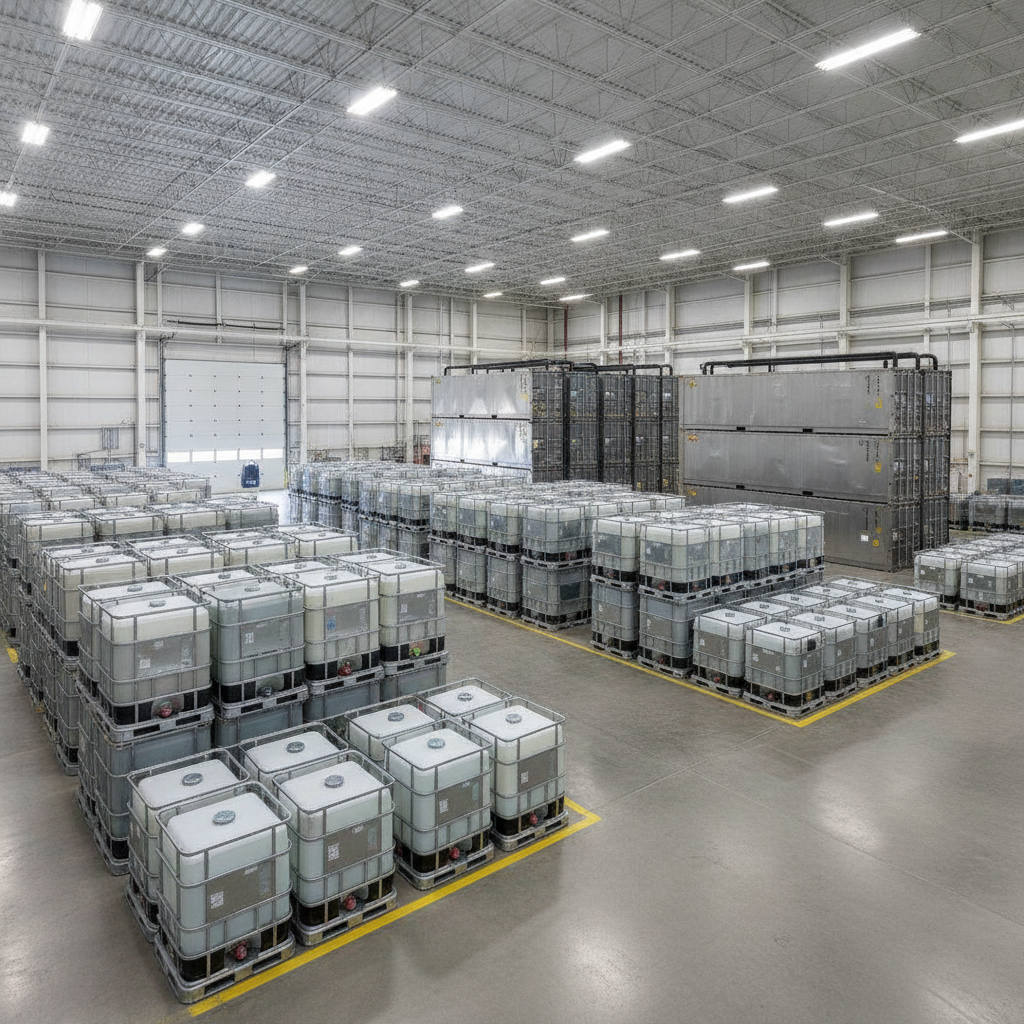
Facilities qualify for self-certification based on storage capacity and configuration rules under 40 CFR Part 112.3.
| Certification Type | Storage Threshold | Individual Container Limit | Additional Requirements |
|---|---|---|---|
| Tier I Qualified Facility | 10,000 gallons or less | 5,000 gallons maximum | No individual container over 5,000 gallons |
| Tier II Qualified Facility | 10,000 gallons or less | No container limit | Meets good engineering practices |
| PE Certification Required | Over 10,000 gallons | No limit | Professional engineer oversight mandatory |
| PE Certification Required | Any capacity | Over 5,000 gallon containers | Disqualifies from self-certification |
Container size triggers PE requirements regardless of total capacity. A facility with one 6,000-gallon diesel tank needs PE certification even though total storage stays under 10,000 gallons. This catches many fleet maintenance operations and backup generator installations.
Complex piping disqualifies self-certification even within capacity limits. Facilities with buried piping, multiple containment areas, or integrated process systems typically need PE oversight. The regulation uses “good engineering practice” language that requires professional judgment calls.
Actually, the decision tree gets more complex when you consider facility modifications. Adding tanks, changing containment, or modifying drainage patterns can push a self-certified facility into PE territory. Your original certification method doesn’t lock you in permanently.
Tier II EPCRA vs SPCC creates confusion since both use tier classifications. SPCC tiers relate to storage capacity and certification method. EPCRA tiers relate to chemical inventory reporting thresholds. These are separate regulatory programs with different rules.
What Legal Liability Does the PE Accept?

Professional Engineers assume personal and professional liability when certifying SPCC plans. This liability extends beyond simple plan review into enforcement consequences.
Personal financial exposure: EPA can fine the certifying PE $2,500 to $37,500+ per violation if the certified plan proves inadequate during spill response. These fines apply jointly to facility owners and certifying engineers.
Professional license risk: State licensing boards can pursue disciplinary action against PEs whose certified plans fail during actual incidents. Sanctions range from license suspension to permanent revocation depending on negligence findings.
Professional liability insurance gaps: Standard PE insurance policies often exclude regulatory fines and penalties. The PE pays EPA enforcement costs out of pocket unless they carry specialized environmental liability coverage.
Ongoing certification responsibility: The PE’s liability continues throughout the plan’s three-year certification period. Plan amendments, facility modifications, or regulatory updates can create new liability exposure for the original certifying engineer.
Insurance implications affect both parties. Your facility’s general liability policy may not cover SPCC violations, creating uncovered exposure. The PE’s professional liability coverage typically caps at $1-2 million per incident, which EPA enforcement costs can exceed during major spills.
State licensing boards treat SPCC plan failures as potential professional negligence. Engineers who certify plans without adequate site assessment, technical review, or ongoing monitoring face disciplinary hearings. Board sanctions appear on public records and affect the PE’s ability to work on future projects.
SPCC plan insurance requirements become critical when PE certification creates shared liability. Both parties need coverage that specifically addresses environmental regulatory enforcement, not just cleanup costs.
How Do You Find a PE With Actual SPCC Experience?

Qualified PEs possess specific oil spill prevention and environmental engineering experience beyond general civil or mechanical practice.
Verify SPCC-specific experience: Ask for references from three facilities where they’ve certified SPCC plans in the past two years. Generic environmental engineers often lack oil handling expertise that SPCC regulations require.
Request facility inspection protocols: Experienced PEs conduct site visits to verify tank configurations, secondary containment capacity, and drainage patterns. Engineers who offer remote certification based only on photos create liability exposure.
Review their liability insurance coverage: The PE should carry professional liability insurance with environmental regulatory coverage, not just general professional liability. Standard policies exclude EPA fines and enforcement costs.
Evaluate ongoing support commitment: SPCC plans require updates when facilities change or regulations evolve. The PE should offer amendment services and maintain availability throughout the three-year certification period.
Test regulatory knowledge depth: Ask specific questions about 40 CFR Part 112.8 secondary containment sizing, monthly inspection requirements, and spill response plan integration. General answers indicate limited SPCC experience.
Compare cost structures realistically: Experienced SPCC engineers charge $150-250 per hour versus $75-125 for general civil engineers. The premium pays for specialized knowledge that prevents costly compliance failures.
Check state licensing status directly: Verify active licensure through your state’s PE board website. Don’t rely on the engineer’s word about license status or disciplinary history.
Assess facility-type experience: PEs who work primarily with chemical plants may lack experience with fleet operations or agricultural facilities. Match their background to your facility type and operations.
Red flags include engineers who guarantee EPA approval, offer unusually low pricing, or propose certification without site visits. SPCC plan templates downloaded from generic sources indicate inexperience with facility-specific compliance requirements.
Actually, finding qualified PEs often requires looking beyond your immediate geographic area. The specialized nature of SPCC work means experienced engineers concentrate in industrial regions. Remote work arrangements with periodic site visits work better than settling for local engineers without oil spill prevention background.
SPCC fleet maintenance yard facilities need PEs who understand mobile equipment servicing, fuel dispensing systems, and vehicle washing operations. Generic environmental engineers miss the operational complexities that create spill risks in fleet environments.
Frequently Asked Questions
Can any licensed Professional Engineer certify an SPCC plan?
Yes, any PE licensed in your state can legally certify an SPCC plan under 40 CFR Part 112. However, most PEs lack oil spill prevention experience and may create plans that pass regulatory review but fail during actual spill events. The legal right to certify doesn’t guarantee technical competence in oil handling systems.
Does the PE have to visit my facility to certify the plan?
The EPA does not require facility visits, but experienced PEs typically conduct site visits to verify tank configurations, secondary containment, and drainage patterns. Remote certification based only on photos and documentation increases the PE’s liability exposure. Site visits also help identify spill risks that facility managers often overlook.
What happens if my certified SPCC plan fails during an actual spill?
Both the facility owner and the certifying PE can face EPA enforcement action if the plan proves inadequate. The PE’s professional liability insurance may not cover regulatory fines, and state licensing boards can pursue disciplinary action for professional negligence. Joint liability means both parties share financial and legal consequences when certified plans fail during incidents.