
Tier II EPCRA vs SPCC naming confusion has cost companies thousands in compliance penalties when they file the wrong report to the wrong agency. These are completely separate EPA programs with different purposes, agencies, and requirements.
Key Takeaways:
- EPCRA Tier II reports go to State Emergency Response Commissions under hazmat law, while SPCC Tier II applies to oil storage facilities under 40 CFR Part 112
- EPCRA requires 10,000+ pound thresholds for specific chemicals, while SPCC Tier II qualification requires between 1,320-42,000 gallons of oil storage capacity
- Filing an EPCRA Section 312 report does not satisfy any SPCC plan requirements, these are separate EPA programs with zero overlap
What Is the Actual Difference Between EPCRA and SPCC Programs?

EPCRA programs regulate hazardous chemical reporting. The Emergency Planning and Community Right-to-Know Act was enacted in 1986 for emergency planning after the Bhopal disaster. SPCC was enacted in 1973 for oil spill prevention under the Clean Water Act.
EPCRA Section 312 Tier II reports cover chemical inventories at facilities. SPCC Tier II qualified facilities store oil above certain thresholds but below the level requiring professional engineer certification. These programs serve different purposes under different legal authorities.
| Feature | EPCRA Section 312 | 40 CFR Part 112 |
|---|---|---|
| Legal Authority | Emergency Planning Act | Clean Water Act |
| Regulated Substances | Hazardous chemicals | Oil and petroleum products |
| Purpose | Emergency response planning | Spill prevention |
| EPA Office | Office of Land and Emergency Management | Office of Water |
| Enacted | 1986 | 1973 |
| Filing Requirement | Annual reports to state agencies | On-site plans for EPA inspection |
Different EPA offices administer these programs. EPCRA falls under emergency management while SPCC falls under water protection. The legal frameworks address separate environmental risks with no cross-compliance provisions.
EPCRA Tier II vs SPCC Tier II: Complete Program Comparison
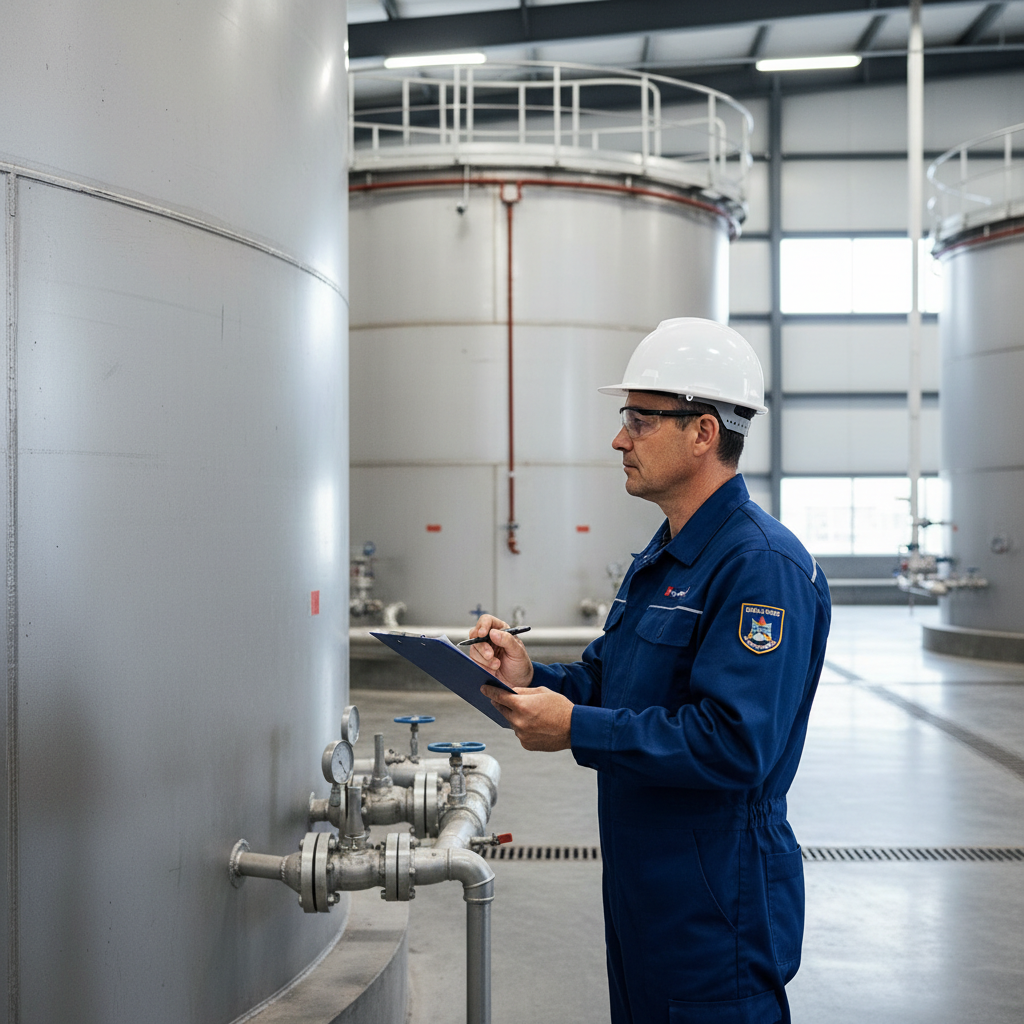
EPCRA Tier II reporting covers hazardous chemical inventories. Facilities report chemical quantities annually to state emergency response commissions. SPCC Tier II qualified facilities store oil above basic thresholds but qualify for self-certification without professional engineer involvement.
The programs use different measurement units and filing schedules. EPCRA measures chemicals by weight in pounds. SPCC measures oil storage by volume in gallons. EPCRA requires annual March 1 filing deadlines while SPCC plans need updates within 6 months of facility changes.
| Feature | EPCRA Tier II | SPCC Tier II |
|---|---|---|
| Filing Agency | State Emergency Response Commission | No filing – kept on-site |
| Regulated Substance | Hazardous chemicals (by weight) | Oil and petroleum products (by volume) |
| Threshold Measurement | 10,000+ pounds per chemical | 1,320-42,000 gallons total oil storage |
| Annual Deadline | March 1 | No annual filing |
| Plan Updates | Annual inventory reporting | Within 6 months of changes |
| Penalties | State-specific fines | Up to $59,973 per day per violation |
| Certification | Facility manager signature | Self-certification allowed |
The penalties reflect different enforcement priorities. EPCRA violations typically result in state-level fines. SPCC violations can trigger federal Clean Water Act penalties reaching thousands of dollars per day.
Which Agencies Receive Your Reports and Why It Matters

State Emergency Response Commissions receive EPCRA Tier II reports. These are state-level agencies responsible for emergency planning and chemical release notifications. Local fire departments also receive copies for emergency response planning.
SPCC plans stay on-site at your facility. EPA inspectors review SPCC plans during facility inspections but you do not submit plans to EPA for approval or review. This means SPCC compliance depends on having current plans available during inspections.
The filing difference creates compliance gaps when companies assume one report covers both requirements. EPCRA reports help state agencies plan emergency responses to chemical releases. SPCC plans help facility operators prevent oil spills before they happen. Neither agency tracks compliance with the other program.
EPCRA reports go to 42 different state agencies depending on your location. EPA maintains direct oversight for SPCC compliance through inspection programs. Wrong filing means you remain non-compliant with the program you skipped.
Do EPCRA and SPCC Programs Have the Same Thresholds?
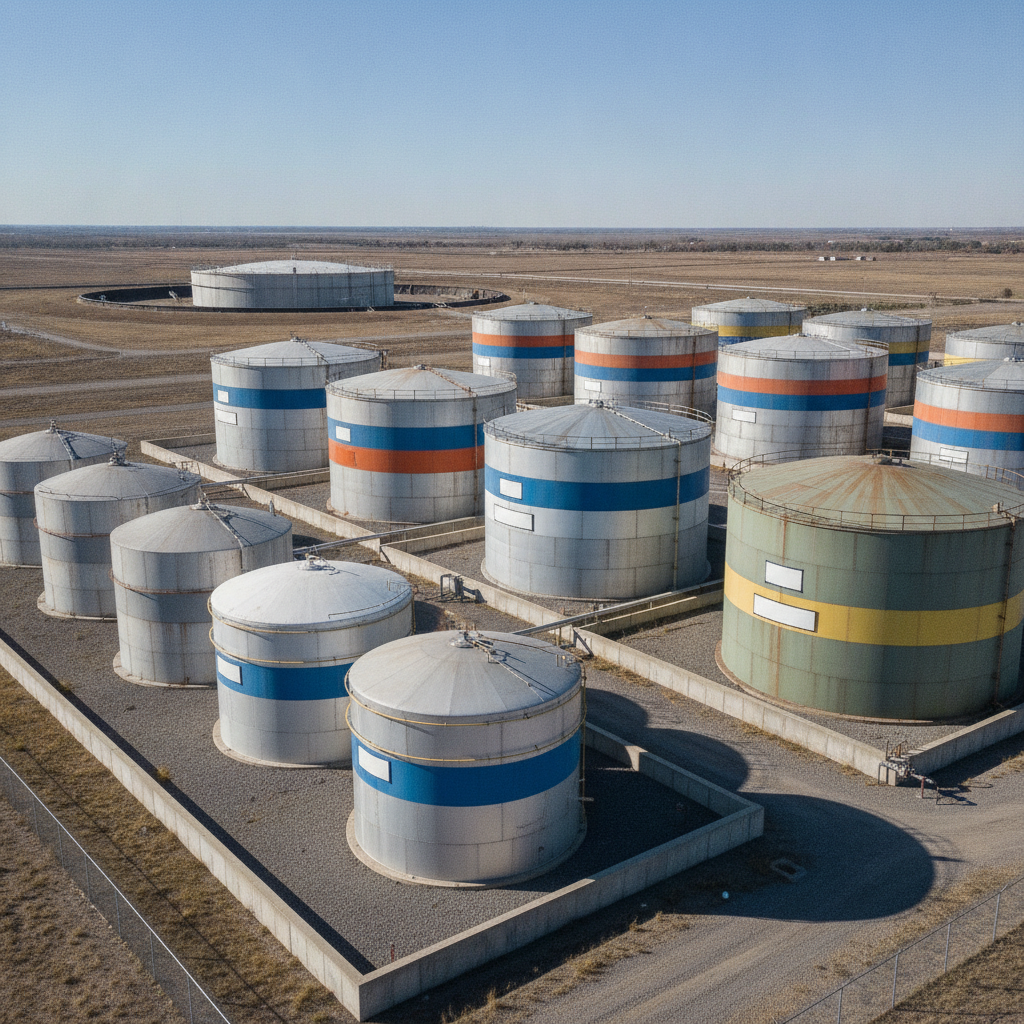
SPCC Tier II qualified facilities require specific oil storage capacities between 1,320 and 42,000 gallons of aboveground oil storage. This triggers SPCC plan requirements but allows self-certification without professional engineer involvement.
EPCRA and SPCC use different threshold calculations:
EPCRA thresholds apply per individual chemical at 10,000 pounds or more during any calendar year. Diesel fuel, gasoline, and heating oil each count separately if they exceed 10,000 pounds.
SPCC thresholds combine all oil products into total facility capacity. The 1,320-gallon minimum includes all oil storage containers and applies to aggregate storage capacity.
EPCRA considers maximum inventory amounts during the year. SPCC considers total storage capacity regardless of how much oil you actually store at any given time.
EPCRA excludes petroleum products under most circumstances unless they contain listed hazardous substances. SPCC covers all oil and petroleum products without chemical-specific exemptions.
The measurement units differ completely. EPCRA measures chemical weight in pounds while SPCC measures storage volume in gallons. A 10,000-gallon diesel tank exceeds SPCC thresholds but may not trigger EPCRA reporting if the diesel weighs less than 10,000 pounds of regulated chemicals.
Can Filing One Report Satisfy Both Programs?

EPCRA compliance does not satisfy SPCC plan requirements. These programs address different environmental risks under separate legal authorities with no cross-compliance provisions. Companies make this mistake because both programs use EPA oversight and similar terminology.
Filing an EPCRA Section 312 Tier II report covers your chemical inventory reporting obligations. It does not create, update, or maintain any SPCC plan requirements. EPA enforcement treats these as separate compliance obligations.
Enforcement consequences include duplicate penalties when facilities assume one program covers the other. EPA can issue SPCC violations during inspections even if you file perfect EPCRA reports. The agencies do not share compliance data between these different regulatory programs.
Zero legal cross-compliance exists between the programs based on EPA enforcement guidance. You need separate compliance strategies for each program based on your facility’s actual storage quantities and regulated substances.
Frequently Asked Questions
Does my facility need both EPCRA and SPCC compliance?
Many facilities need both if they store hazardous chemicals above EPCRA thresholds AND store oil above SPCC thresholds. The programs address different risks and have separate compliance requirements. Check both sets of criteria independently.
What happens if I file my EPCRA report thinking it covers SPCC requirements?
You remain non-compliant with SPCC regulations even after filing EPCRA reports. EPA can still issue violations for missing SPCC plans during inspections. The agencies don’t share compliance data between these programs.
Why do both programs use the term Tier II if they’re completely different?
Pure coincidence in regulatory naming. EPCRA uses Tier II to distinguish from Tier I aggregate reporting, while SPCC uses Tier II to describe facilities that qualify for self-certification. The terminology overlap creates confusion but the programs remain separate.