
California SPCC requirements extend far beyond federal 40 CFR Part 112 compliance. State CUPA agencies add oversight layers and stricter thresholds that catch most operators unprepared.
Key Takeaways:
- CUPA agencies oversee SPCC compliance in California, federal 40 CFR Part 112 is just the baseline
- California requires HMBP registration for facilities over 55 gallons of oil, not the federal 1,320-gallon threshold
- Secondary containment rules in California can be stricter than federal requirements depending on your CUPA jurisdiction
What Is CUPA and How Does It Layer on Federal SPCC Rules?

CUPA is California’s Certified Unified Program Agency system. This means local agencies enforce both federal SPCC requirements and additional state regulations at the facility level.
California operates 83 CUPA agencies across the state. Each one oversees environmental compliance programs in their jurisdiction, including oil storage under both federal and state rules. Your local CUPA doesn’t replace EPA oversight, it adds another compliance layer.
Federal 40 CFR Part 112 remains the baseline requirement. Every California facility storing more than 1,320 gallons of oil still needs an SPCC plan. But CUPA agencies enforce additional requirements through the state’s Hazardous Materials Business Plan program and stricter containment standards.
This dual oversight creates gaps many facilities miss. You might have a compliant federal SPCC plan but still face violations under California’s stricter state requirements. The SPCC requirements by state vary significantly, and California represents one of the most complex overlay programs in the country.
How Do California Storage Thresholds Compare to Federal Rules?
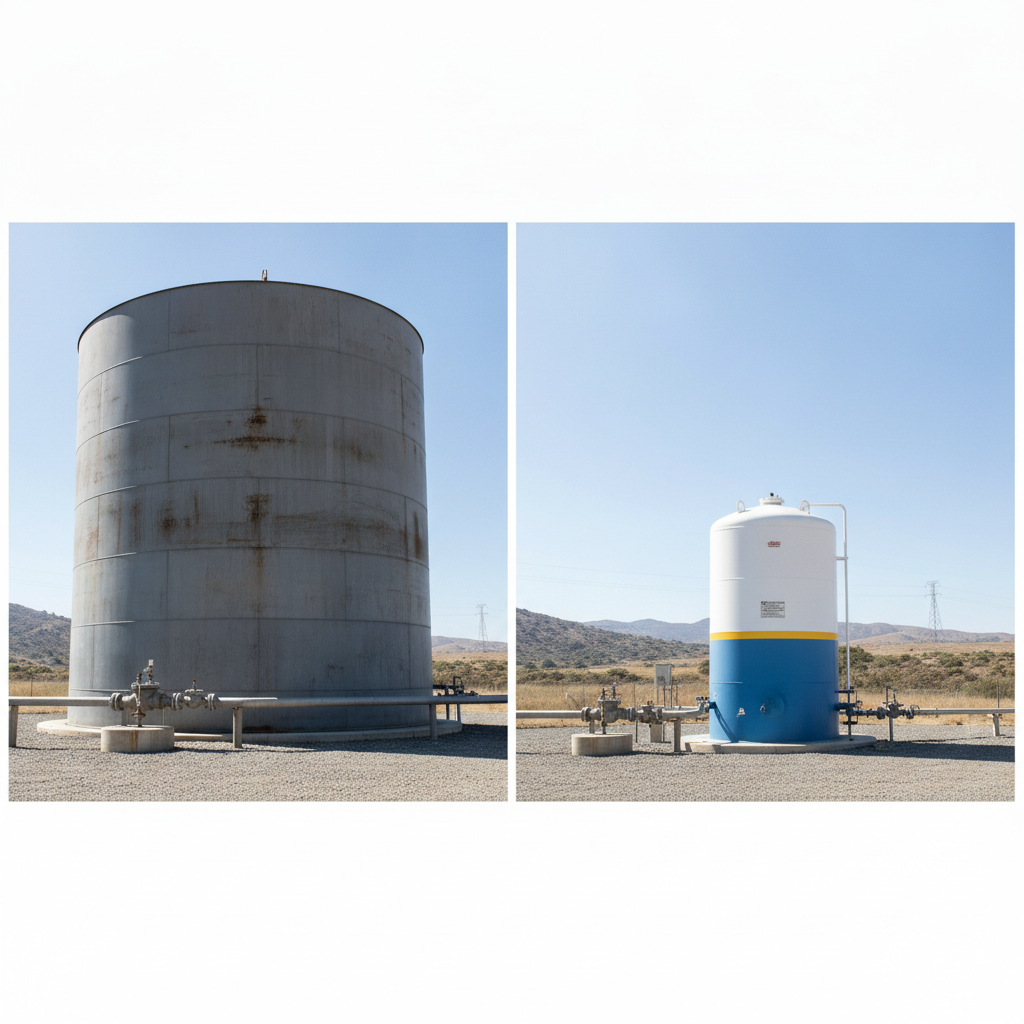
| Requirement | Federal SPCC | California HMBP | When Both Apply |
|---|---|---|---|
| Storage threshold | 1,320 gallons total | 55 gallons petroleum | Above 1,320 gallons |
| Plan requirement | SPCC plan | HMBP registration | SPCC plan + HMBP |
| Oversight agency | EPA | Local CUPA | EPA + CUPA |
| Renewal period | Plan amendments as needed | Annual HMBP update | Both schedules |
| Secondary containment | Federal minimum | CUPA-specific rules | Stricter standard applies |
California requires HMBP registration for facilities storing over 55 gallons of petroleum products. This threshold is 24 times lower than the federal 1,320-gallon SPCC threshold.
Most facilities storing between 55 and 1,320 gallons face California requirements without federal SPCC obligations. They need HMBP registration and must follow CUPA secondary containment rules, but don’t need a formal SPCC plan.
Facilities above 1,320 gallons must comply with both programs. Your federal SPCC plan covers oil discharge prevention, but HMBP registration adds inventory reporting, emergency contact requirements, and annual updates that federal rules don’t require.
The SPCC plan requirements at the federal level don’t eliminate California obligations. You need separate documentation for each program, though some information overlaps.
What HMBP Requirements Must California SPCC Facilities Meet?

Submit initial HMBP registration to your local CUPA agency. Registration includes facility details, oil storage inventory, and emergency response contacts. Initial registration fees range from $150 to $500 depending on your CUPA jurisdiction.
Complete annual HMBP updates by March 1 each year. You must report current oil storage volumes, any facility changes, and updated emergency contacts. Annual renewal fees typically cost $75 to $200.
Maintain HMBP documentation on-site alongside your SPCC plan. CUPA inspectors require immediate access to HMBP records during facility visits. Keep current registration certificates and annual update confirmations readily available.
Submit facility closure notification if you stop oil storage operations. CUPA agencies require 30-day advance notice before removing storage tanks or ending operations covered under HMBP.
Coordinate HMBP reporting with any CalARP requirements. Facilities with larger chemical inventories may need both HMBP and California Accidental Release Prevention program compliance.
HMBP differs from SPCC documentation in several ways. While SPCC plans focus on discharge prevention, HMBP emphasizes inventory tracking and emergency response coordination. The programs complement each other but require separate record-keeping systems.
When Do California Secondary Containment Rules Go Beyond Federal Requirements?
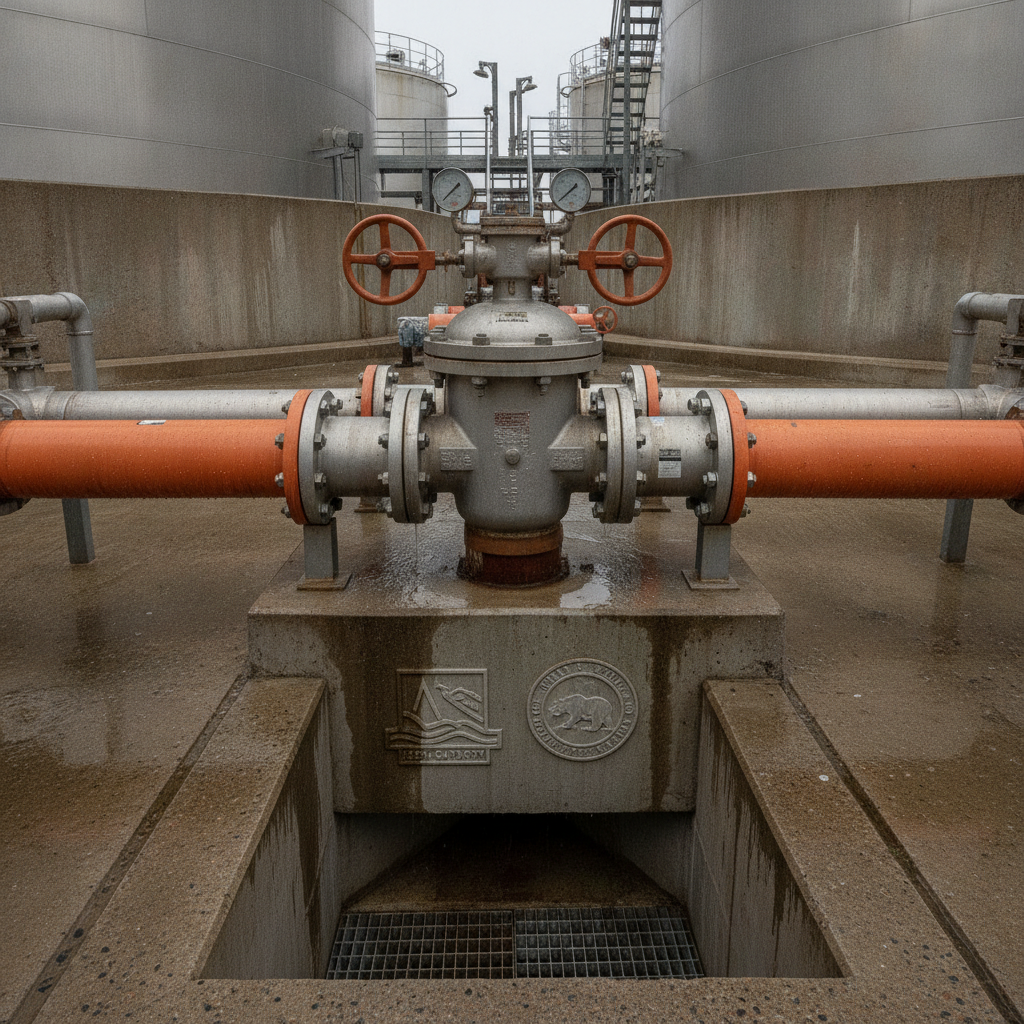
Containment capacity calculations use stricter volume requirements. Some CUPA agencies require 125% containment capacity instead of the federal 110% minimum for certain storage configurations.
Drainage valve restrictions exceed federal standards. California typically prohibits any drainage from secondary containment systems, while federal rules allow controlled drainage under specific conditions.
Inspection frequency requirements can be more demanding. Several CUPA jurisdictions require weekly visual inspections of containment systems instead of the federal monthly requirement.
Material specifications for containment systems face additional restrictions. Some areas prohibit certain plastic containment products that meet federal standards but don’t satisfy local environmental conditions.
Setback distances from water sources often exceed federal minimums. Coastal CUPA agencies frequently require larger buffer zones between oil storage and storm drains or waterways.
Documentation requirements include additional engineering certifications. Some jurisdictions require California-licensed professional engineer approval for containment systems, even when federal rules don’t require PE certification.
These stricter secondary containment standards vary by CUPA agency. What passes inspection in one California county might fail in another. Check with your specific CUPA office before installing or modifying containment systems.
Which CUPA Agency Oversees Your Facility and What Are Their Specific Requirements?

Local CUPA agencies enforce California SPCC overlay requirements based on your facility’s physical location. California operates 83 different CUPA jurisdictions, including county health departments, fire departments, and environmental agencies.
Find your CUPA agency through the California Environmental Protection Agency’s online directory. Enter your facility address to identify which agency oversees your location. Each CUPA maintains different fee schedules, inspection procedures, and documentation requirements.
Major variations between CUPA agencies include registration fees ranging from $150 to $800 annually, inspection scheduling from quarterly to every three years, and containment capacity requirements from 110% to 125% of storage volume. Some agencies require additional permits for tank installations that others handle through HMBP registration alone.
Contact your CUPA office directly for jurisdiction-specific requirements. Most agencies provide facility-specific guidance during initial registration meetings. This consultation helps identify gaps between your current federal SPCC compliance and additional California requirements.
Some facilities discover they need both Tier II EPCRA vs SPCC documentation plus HMBP registration. The programs have different reporting schedules and inventory thresholds that create overlapping but distinct compliance obligations.
Frequently Asked Questions
Do California facilities still need to follow federal SPCC rules if they have CUPA oversight?
Yes, California facilities must comply with both federal 40 CFR Part 112 SPCC requirements and additional CUPA oversight requirements. CUPA doesn’t replace federal rules, it adds a state compliance layer on top of them. You face potential violations from both EPA and your local CUPA agency if you ignore either set of requirements.
What happens if my facility is under the federal 1,320-gallon threshold but over California’s HMBP threshold?
You won’t need a federal SPCC plan, but you’ll still need HMBP registration with your local CUPA agency if you store over 55 gallons of petroleum products. This creates a compliance gap many facilities miss. Thousands of California facilities fall into this category and face state violations despite having no federal SPCC obligations.
Can my federal SPCC plan satisfy California CUPA requirements?
Your federal SPCC plan covers part of the requirements, but CUPA agencies typically require additional documentation, HMBP registration, and sometimes stricter secondary containment measures. You’ll need both sets of documentation. Most facilities maintain separate files for federal SPCC compliance and California HMBP requirements, though both reference the same storage systems.
California facilities can’t rely on federal compliance alone. The SPCC plan insurance requirements many companies face now include state-level compliance verification. Missing California-specific requirements creates coverage gaps that federal SPCC compliance doesn’t address.