
SPCC requirements by state create a complex web of compliance obligations. Federal rules under 40 CFR Part 112 set the floor, not the ceiling, and 23 states have built mandatory overlay programs that can triple your compliance costs.
Key Takeaways:
- 23 states operate SPCC overlay programs with stricter thresholds than the federal 1,320-gallon requirement
- California’s CUPA program requires permits for facilities storing as little as 55 gallons of oil
- State-level violations carry separate penalties that can exceed $25,000 per day independent of federal enforcement
Do States Have Their Own SPCC Rules Beyond Federal Requirements?
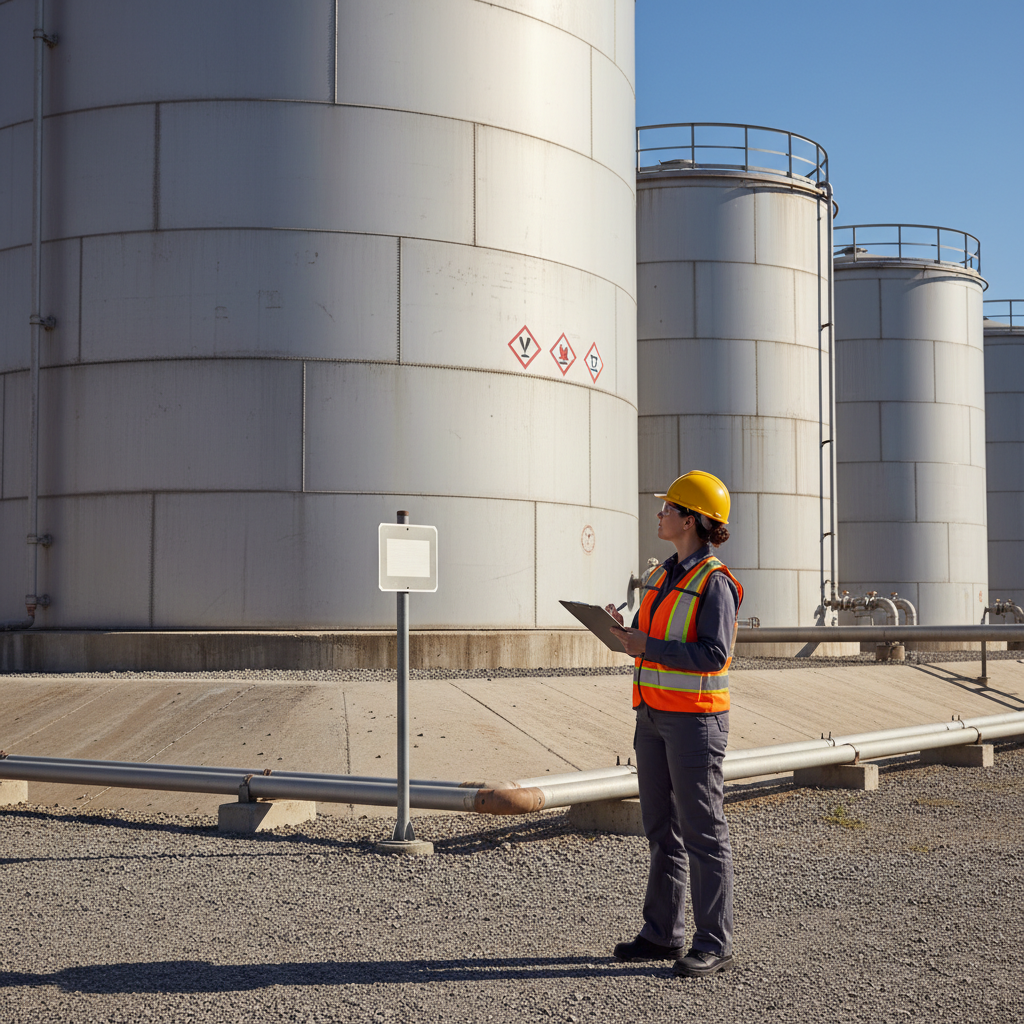
State SPCC overlay programs are additional regulatory frameworks that impose stricter requirements beyond federal 40 CFR Part 112 compliance. This means facilities must satisfy both federal and state rules simultaneously, with state programs typically requiring lower storage thresholds, permits, more frequent inspections, and additional fees.
The relationship between federal and state SPCC rules operates on a “floor, not ceiling” principle. Federal SPCC plan requirements establish minimum national standards, but states can impose stricter rules without EPA approval. Twenty-three states currently operate some form of SPCC overlay program as of 2024, ranging from simple registration systems to complex permit programs with annual fees.
State overlay programs add requirements rather than replace federal rules. Your facility must comply with both jurisdictions. If federal rules require secondary containment for 1,320 gallons, and your state requires permits at 500 gallons, you need both the federal SPCC plan and the state permit. The state program does not exempt you from federal obligations.
Most state programs focus on underground storage tanks, aboveground petroleum bulk storage, or hazardous materials handling. The programs cluster in states with significant industrial activity, coastal areas vulnerable to water contamination, or regions that experienced major spill incidents in the 1980s and 1990s.
States without overlay programs rely entirely on federal enforcement under 40 CFR Part 112. This creates a patchwork regulatory environment where identical facilities face different compliance costs depending on their location.
States With Stricter SPCC Thresholds Than Federal 1,320-Gallon Rule

Stricter state requirements reduce the 1,320-gallon threshold significantly, with some states requiring permits for storage as low as 55 gallons. The variation creates substantial compliance cost differences between states.
| State | Threshold | Program Type | Oil Types Covered | Enforcement Agency |
|---|---|---|---|---|
| California | 55 gallons | CUPA permit | All petroleum products | Local CUPA agencies |
| Massachusetts | 100 gallons | Registration | Heating oil, motor fuels | DEP |
| Connecticut | 500 gallons | Registration | All regulated oils | DEEP |
| Rhode Island | 500 gallons | Permit | Petroleum products | DEM |
| New Hampshire | 500 gallons | Registration | Motor fuels, heating oil | DES |
| Vermont | 500 gallons | Registration | Regulated substances | ANR |
California operates the most restrictive program through its Certified Unified Program Agency (CUPA) system. The 55-gallon threshold applies to any facility storing oil in containers, including drum storage, day tanks, and hydraulic reservoirs. This threshold is 24 times stricter than the federal requirement.
Massachusetts follows with a 100-gallon threshold that triggers registration requirements for heating oil and motor fuel storage. The program covers residential heating oil tanks above this threshold, creating compliance obligations for apartment complexes and commercial buildings that federal rules miss.
New England states cluster around 500-gallon thresholds, reflecting regional coordination on environmental protection. These programs typically require annual registration, inspection records, and spill response planning beyond federal requirements.
The permit vs. registration distinction matters for compliance costs. Permit programs like California CUPA require application fees, annual renewals, and detailed facility assessments. Registration programs typically involve lower fees but still mandate record keeping and inspection schedules.
California CUPA Program: The Nation’s Most Restrictive SPCC Requirements

CA CUPA program requires permits for facilities above 55 gallons, creating the nation’s most extensive state-level oil storage oversight. The program operates through 83 local jurisdictions, each setting its own fee structure and inspection procedures.
CUPA requirements include:
- Permit applications with detailed facility maps, storage inventories, and spill response procedures for any facility storing 55+ gallons of petroleum products
- Annual permit renewals with fees ranging from $200 to $2,500 depending on storage volume, facility type, and local CUPA agency
- Secondary containment specifications that often exceed federal requirements, including liner standards and drainage controls
- Monthly inspection schedules documented on CUPA-approved forms, with records maintained for five years (two years beyond federal requirements)
- Employee training programs covering spill response, inspection procedures, and emergency notification protocols specific to local CUPA requirements
CUPA programs operate in 83 California jurisdictions with annual permit fees ranging from $200 to $2,500. San Francisco Bay Area CUPAs typically charge higher fees than Central Valley agencies, reflecting local administrative costs and inspection complexity.
The program covers storage tanks, drum storage areas, vehicle maintenance shops, emergency generators, and hydraulic systems. A data center with four 500-gallon backup generators needs CUPA permits, as does a construction company with 100 gallons of diesel in portable tanks.
CUPA violations trigger both state penalties and increased federal inspection attention. California environmental regulators coordinate with EPA Region 9, meaning CUPA citations often prompt federal SPCC plan reviews at the same facility.
Secondary containment under CUPA programs must meet both federal and state specifications. Where federal rules allow gravel containment areas, some CUPA jurisdictions require impermeable liners and active drainage systems.
Texas, New York, and Northeast State SPCC Program Details

TX TCEQ program differs from NY PBS program requirements in threshold levels, permit types, and enforcement approaches. Each state developed programs addressing regional industrial patterns and environmental priorities.
| Program Feature | TX TCEQ Program | NY PBS Program | NJ DPRA Program |
|---|---|---|---|
| Storage threshold | 250 gallons (registration) | 1,100 gallons (permit) | 2,000 gallons underground |
| Program type | Registration + inspection | Permit + annual fee | Registration + testing |
| Oil types covered | All petroleum products | Motor fuels, heating oil | Underground storage tanks |
| Inspection frequency | Every 3 years | Annual | Every 3 years |
| Annual fees | $25-$100 | $340-$1,840 | $200-$500 |
| Enforcement agency | TCEQ regional offices | NY DEC | NJ DEP |
Texas requires registration at 250 gallons through the Texas Commission on Environmental Quality (TCEQ). The program focuses on aboveground storage tanks at industrial facilities, with simplified registration forms and three-year inspection cycles. TCEQ coordinates with EPA Region 6 on facilities that exceed federal thresholds.
New York Petroleum Bulk Storage (PBS) permits apply at 1,100 gallons, just below the federal 1,320-gallon threshold. NY DEC charges annual fees based on storage capacity and tank age, with higher fees for facilities storing motor fuels near drinking water sources. The program requires double-wall tanks for new installations in environmentally sensitive areas.
New Jersey Department of Environmental Protection operates registration programs for underground storage tanks at 2,000 gallons. The program focuses on leak detection, tank testing, and groundwater monitoring rather than expanding coverage below federal thresholds.
Pennsylvania Chapter 245 requirements apply to aboveground storage tanks above 21,000 gallons, targeting industrial facilities with large-scale petroleum storage. The program requires professional engineer certification for tank integrity and secondary containment design.
Northeast states coordinate enforcement through the Northeast Waste Management Officials Association, sharing inspection data and violation patterns. A facility with operations in multiple northeast states faces similar requirements across jurisdictions.
How State SPCC Violations Stack With Federal Enforcement
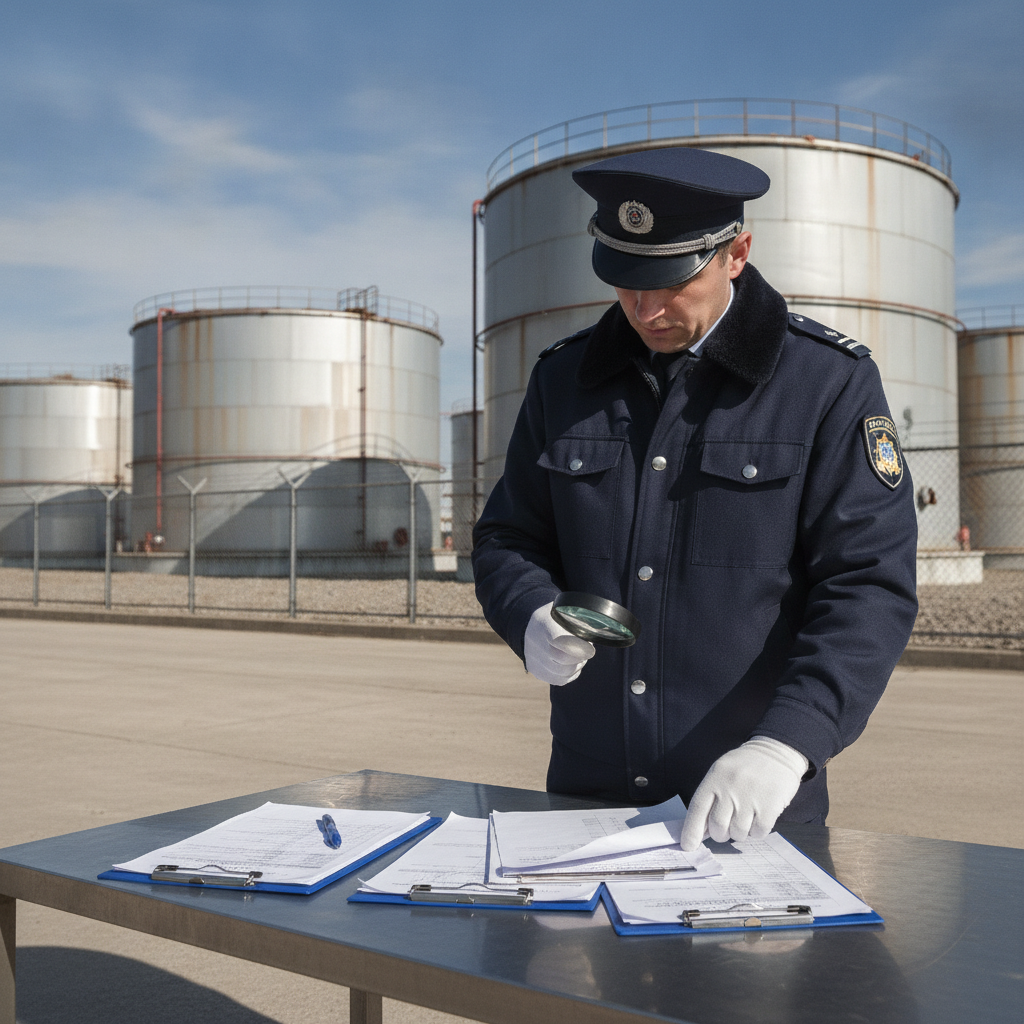
State SPCC violations trigger separate enforcement actions from federal penalties, creating dual liability exposure for facilities that violate both jurisdictions simultaneously. The enforcement process follows predictable steps.
State inspection identifies violation during routine compliance check or complaint response, generating citation under state environmental code with 30-60 day response deadline.
Federal inspection triggered when state agencies share violation data with EPA regional offices through inter-agency coordination agreements, typically within 90 days of state citation.
Parallel penalty calculations proceed independently, with state fines based on state environmental codes and federal penalties calculated under Clean Water Act Section 311 authority.
Settlement negotiations occur separately with each jurisdiction, though agencies may coordinate on corrective action requirements to avoid conflicting compliance orders.
Record keeping obligations extend to both jurisdictions, requiring separate documentation systems that satisfy state and federal inspection requirements.
State penalties can reach $25,000 per day while federal violations under 40 CFR Part 112 max at $27,500 per day. A single spill incident can trigger both penalty tracks simultaneously, with total exposure exceeding $50,000 per day.
The timing of inspections varies by jurisdiction. State agencies often inspect on annual or biennial cycles, while federal inspections typically occur every 3-5 years or following complaint triggers. Facilities in states with active overlay programs face more frequent inspection exposure.
Violation severity calculations differ between jurisdictions. States may focus on permit compliance, fee payment, and registration accuracy. Federal enforcement emphasizes spill prevention, secondary containment adequacy, and plan certification requirements.
Corrective action deadlines from state and federal agencies can conflict. State programs may require immediate permit amendments while federal enforcement allows 60-day plan revision periods. Facilities must satisfy both deadlines to avoid escalated enforcement.
Which States Only Require Federal SPCC Compliance?
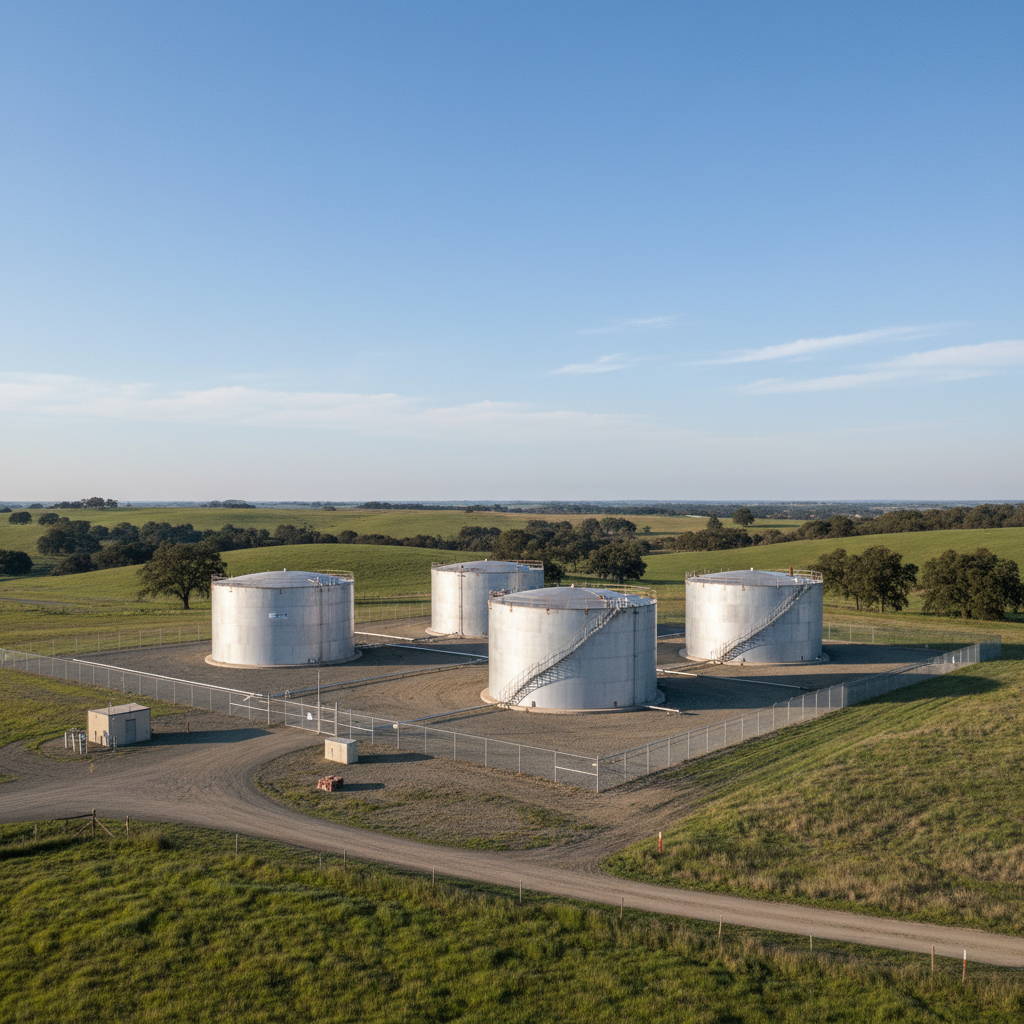
Federal-only states rely on 40 CFR Part 112 without overlay programs, creating simpler compliance requirements for oil storage facilities. Twenty-seven states operate under this framework, typically in regions with less industrial activity or states that chose not to expand environmental regulation beyond federal minimums.
States without overlay programs include most of the Mountain West, parts of the Midwest, and several Southern states. Wyoming, Montana, Idaho, Nevada, Utah, Colorado, New Mexico, Arizona, North Dakota, South Dakota, Nebraska, Kansas, Oklahoma, Arkansas, Louisiana, Alabama, Mississippi, Tennessee, Kentucky, West Virginia, Virginia, North Carolina, South Carolina, Georgia, Florida, Alaska, and Hawaii rely solely on federal enforcement.
These states chose not to create additional requirements for various reasons. Western states often emphasize federal consistency and minimal regulatory layering. Southern states may prefer federal-only frameworks to maintain industrial competitiveness. Some states lack the regulatory infrastructure to operate complex permit programs.
Federal enforcement in these states follows EPA regional office priorities. Region 8 (Mountain West) focuses on mining and energy facilities. Region 6 (South Central) emphasizes petrochemical and refining operations. Region 4 (Southeast) targets paper mills and chemical manufacturing.
Regional clustering of federal-only states creates compliance advantages for multi-state operations. A trucking company with terminals in Wyoming, Utah, and Colorado faces identical SPCC requirements across all locations, simplifying training and documentation systems.
Facilities in federal-only states still face rigorous enforcement. EPA maintains inspection authority and penalty assessment capabilities regardless of state program existence. Federal-only does not mean reduced enforcement attention.
Frequently Asked Questions
Can I get fined by both state and federal agencies for the same SPCC violation?
Yes, state and federal SPCC enforcement operates independently. A single spill or compliance failure can trigger separate penalty actions from both your state environmental agency and EPA under different legal authorities. The penalties stack rather than offset each other.
Do state SPCC requirements apply to facilities already compliant with federal rules?
State SPCC overlay programs impose additional requirements beyond federal 40 CFR Part 112 compliance. Being federally compliant does not exempt you from stricter state thresholds, permits, or inspections. You must satisfy both sets of rules simultaneously.
Which state has the lowest oil storage threshold that triggers SPCC requirements?
California’s CUPA program sets the nation’s lowest threshold at 55 gallons of oil storage. This is 24 times stricter than the federal 1,320-gallon threshold under 40 CFR Part 112. Massachusetts follows at 100 gallons, with several New England states requiring compliance at 500 gallons.