Tier I vs Tier II SPCC plan confusion costs facility managers thousands in EPA penalties every year. Most confuse Tier II SPCC with Tier II EPCRA reporting and pick the wrong plan type, triggering violations that average $10,000+ in fines.
Key Takeaways:
- Tier I plans allow self-certification for facilities under 10,000 gallons with no discharge history
- Tier II requires PE certification when facility capacity exceeds 10,000 gallons or has discharge history
- The decision matrix depends on three factors: storage capacity, discharge history, and complexity of operations
What Makes a Facility Qualified for Tier I Self-Certification?
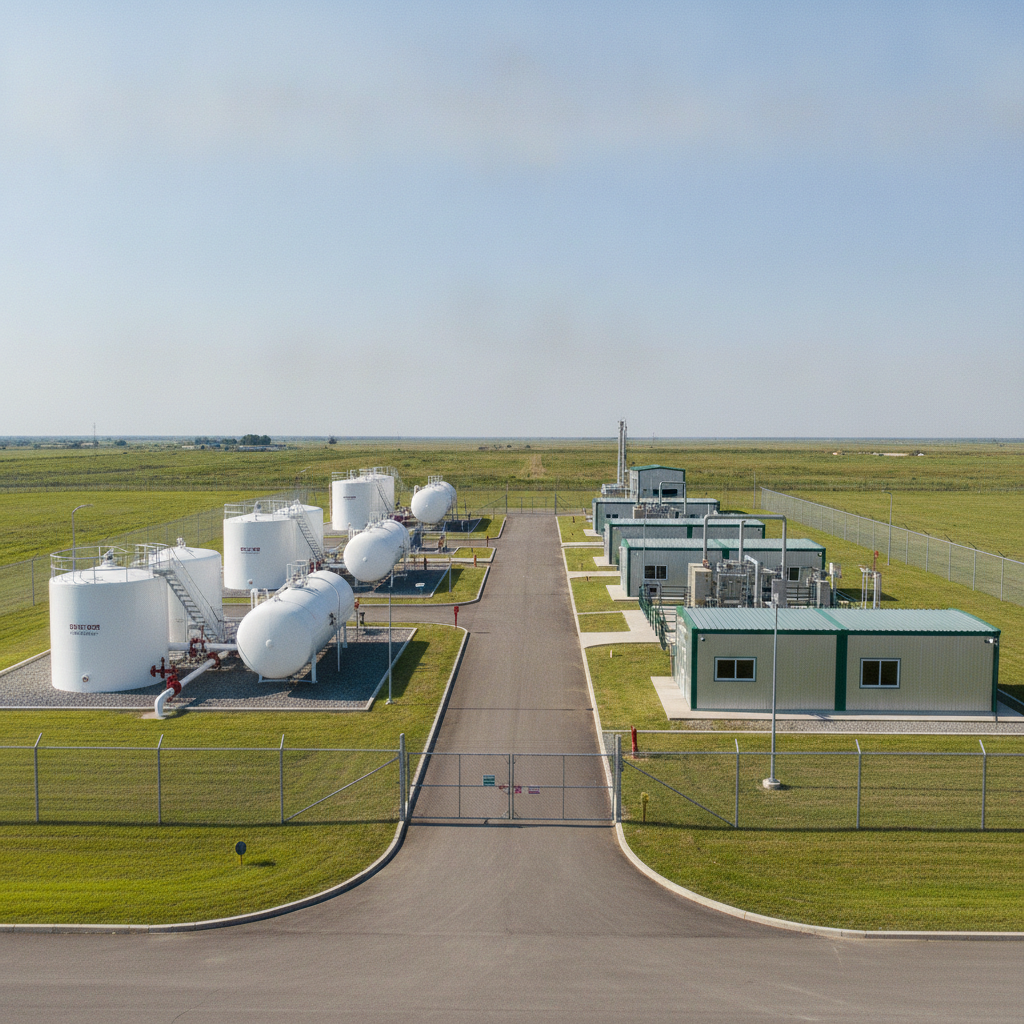
Tier I Qualified Facility is a regulated facility that meets specific capacity and operational limits under 40 CFR Part 112.6. This means you can prepare and certify your own SPCC plan without hiring a professional engineer.
Your facility qualifies for Tier I self-certification if it meets all three conditions. First, aggregate aboveground oil storage capacity stays under 10,000 gallons. This includes all tanks, containers, and permanently installed equipment that stores oil. Second, you have no discharge history into navigable waters or adjoining shorelines since November 10, 1970. Third, your facility operations remain straightforward without complex processing systems.
The 10,000-gallon threshold counts only aboveground storage. Underground storage tanks regulated under 40 CFR Part 280 don’t count toward your Tier I limit. A facility with 8,000 gallons aboveground and 20,000 gallons underground still qualifies for Tier I.
Discharge history disqualifies you immediately. Any oil release that reached navigable waters, storm drains, or groundwater eliminates Tier I eligibility forever. The EPA defines discharge broadly – a 50-gallon spill that reached a storm drain 15 years ago still counts.
Facility complexity matters too. Loading racks, flow-through processing, or mobile refueling operations trigger PE requirements regardless of storage volume. These operations create spill risks that exceed Tier I’s simplified approach.
How Do Tier II Qualified Facilities Differ from Tier I?
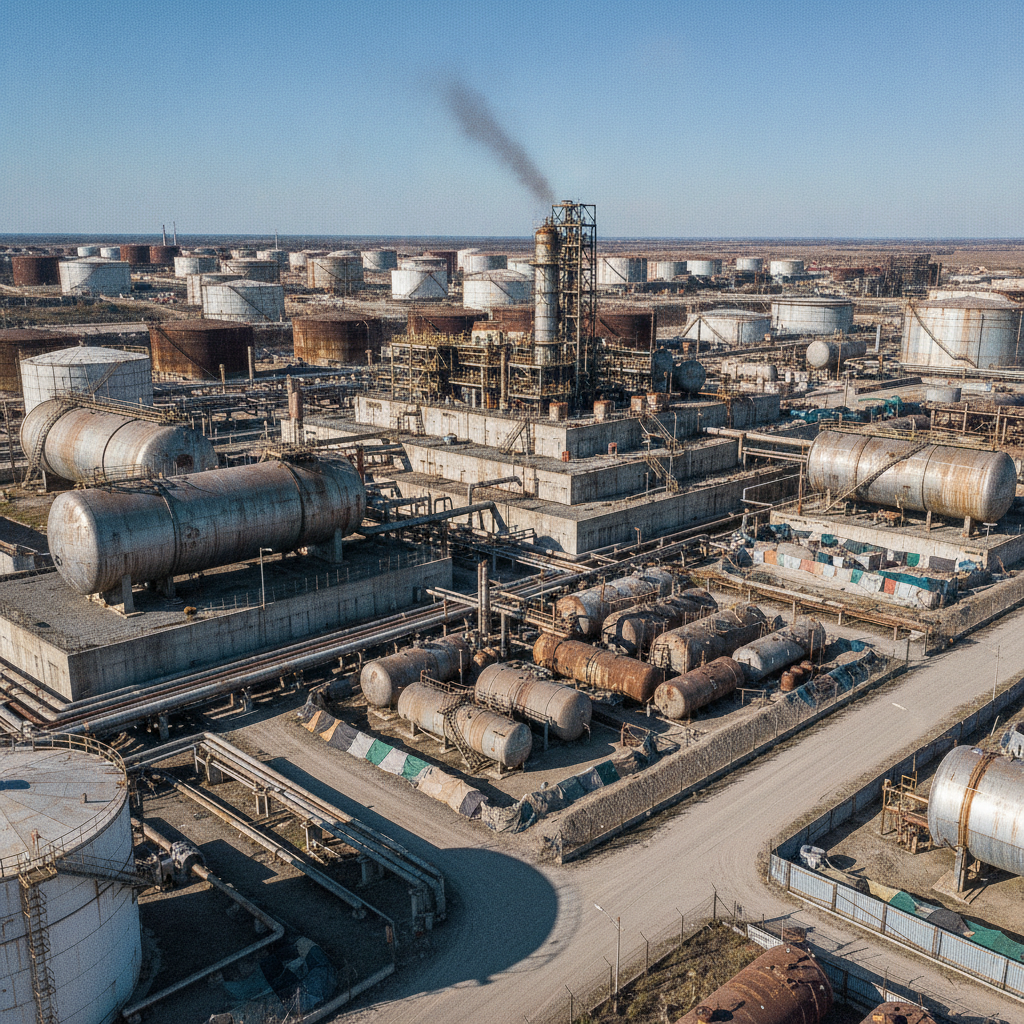
Tier II Qualified Facility exceeds Tier I limits but avoids full PE plan requirements under specific conditions in 40 CFR Part 112.7. Most facility managers confuse this with EPCRA Tier II reporting, which covers hazardous chemicals and has no connection to oil storage compliance.
Tier II facilities handle between 10,000-20,000 gallons of aggregate capacity with clean discharge records. You also qualify if your storage stays under 10,000 gallons but you have discharge history predating November 10, 1970. The EPA created Tier II as a middle ground for facilities that outgrow Tier I but don’t need full engineering review.
| Feature | Tier I | Tier II |
|---|---|---|
| Storage Capacity | Under 10,000 gallons | 10,000-20,000 gallons |
| Discharge History | None since 1970 | Pre-1970 only |
| Certification | Self-certified | Self-certified |
| Plan Complexity | Basic template | Enhanced template |
| Inspection Requirements | Annual | Monthly |
The critical difference: Tier II requires monthly inspections instead of annual checks. Your plan must document more detailed spill response procedures and secondary containment calculations. But you still self-certify without PE involvement.
Common misconception: Tier II SPCC has nothing to do with EPCRA Tier II chemical reporting. The names create confusion, but they regulate different substances under different laws. EPCRA covers hazardous chemicals for community right-to-know. SPCC covers oil storage for water protection.
When Does Your SPCC Plan Require PE Certification?
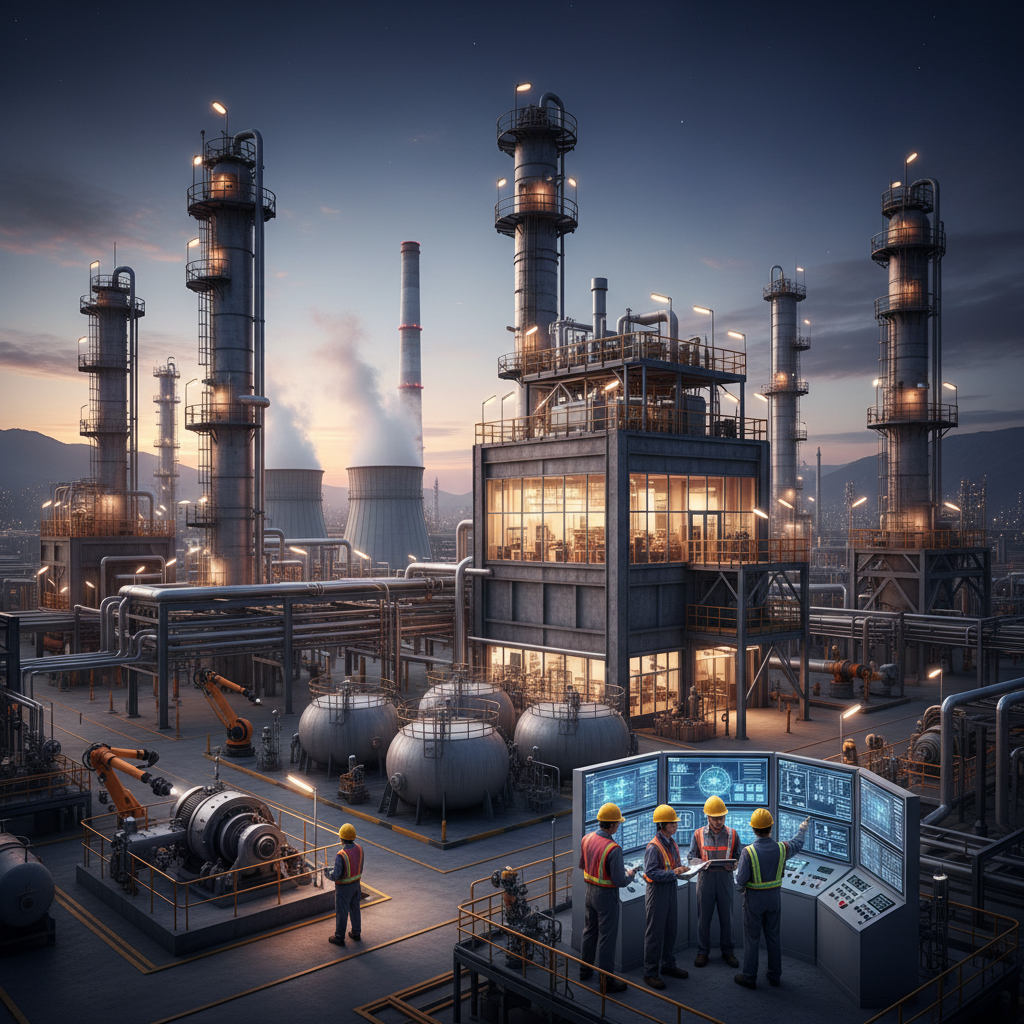
PE certification authority mandates professional engineer review for complex facilities under 40 CFR Part 112.3. This eliminates self-certification options and requires licensed engineer involvement in plan preparation and updates.
Three facility characteristics trigger mandatory PE certification regardless of storage volume. First, any facility with loading or unloading racks needs PE review. Second, flow-through processing operations require engineering analysis of spill scenarios. Third, mobile refuelers and temporary storage operations exceed self-certification limits.
Storage capacity above 20,000 gallons always requires PE certification. The EPA assumes larger facilities create complex spill risks that demand professional engineering judgment. No exceptions exist for simple storage configurations.
| Trigger | Threshold | PE Required |
|---|---|---|
| Storage Volume | Over 20,000 gallons | Yes |
| Loading Racks | Any configuration | Yes |
| Flow Processing | Any throughput | Yes |
| Mobile Equipment | Tank trucks, railcars | Yes |
| Discharge History | Since November 1970 | Yes |
Discharge history since November 10, 1970 forces PE certification even for small facilities. A 5,000-gallon facility with one reportable spill needs the same engineering review as a 50,000-gallon tank farm.
Location factors also matter. Facilities within 200 feet of navigable waters face stricter requirements. Those near drinking water intakes or environmentally sensitive areas may need PE review regardless of size.
Tier I vs Tier II vs PE-Certified: Complete Decision Matrix

SPCC plan tier selection criteria determines certification requirements based on facility characteristics and 40 CFR Part 112 thresholds. This decision framework covers 95% of facility scenarios through three assessment questions.
Start with storage capacity. Under 10,000 gallons points toward Tier I. Between 10,000-20,000 gallons suggests Tier II. Above 20,000 gallons requires PE certification. But capacity alone doesn’t determine your path.
| Feature | Tier I | Tier II | PE-Certified |
|---|---|---|---|
| Storage Limit | Under 10,000 gal | 10,000-20,000 gal | No limit |
| Discharge History | None since 1970 | Pre-1970 only | Any history |
| Certification | Self-certified | Self-certified | PE required |
| Plan Cost | $500-$1,500 | $800-$2,000 | $3,000-$8,000 |
| Update Timeline | 5 years | 5 years | 5 years |
Discharge history assessment comes second. Any oil release reaching navigable waters since November 10, 1970 eliminates self-certification options. You need PE review regardless of current storage volume.
Facility complexity provides the final check. Loading racks, processing equipment, or mobile operations require PE certification even for small facilities. The EPA considers these high-risk activities that exceed simplified plan templates.
Cost implications vary dramatically between tiers. Self-certified plans cost $500-$2,000 including template fees and internal labor. PE-certified plans range from $3,000-$8,000 for engineering services plus ongoing amendment costs.
Most facilities fall into clear categories, but edge cases exist. A 9,500-gallon facility with a 1980 spill needs PE certification despite qualifying for Tier I by capacity. A 15,000-gallon facility with clean history can self-certify under Tier II.
What Happens When You Pick the Wrong Plan Type?

Incorrect plan selection triggers EPA violations under 40 CFR Part 112 enforcement. The agency discovers plan tier errors during routine inspections, complaint investigations, or post-spill reviews.
Self-certification violations cost $2,500 per day. Facilities that self-certify when PE review is required face immediate penalties. The EPA considers this a fundamental compliance failure that compromises plan integrity.
Inadequate plan tier selection adds $5,000-$15,000 in correction costs. You must hire a PE to review your existing plan, identify deficiencies, and prepare amendments. This process typically takes 60-90 days.
Discharge reporting violations compound penalties by $10,000 per incident. Facilities with undisclosed discharge history face separate violations for false certification statements in addition to wrong plan tier selection.
Inspection frequency violations generate ongoing daily penalties. Tier I facilities conducting annual inspections when Tier II monthly requirements apply accumulate $500 per day in missed inspection violations.
The EPA discovers errors through cross-referencing discharge databases, reviewing inspection records, and comparing facility descriptions to plan requirements. State environmental agencies often share violation data that exposes incorrect self-certification claims.
Correction timelines depend on violation severity. Minor tier adjustments require 30-day plan amendments. Major certification errors demand complete plan rewrites within 180 days. During correction periods, facilities remain subject to daily penalties until compliance restoration.
Frequently Asked Questions
Can a facility switch from Tier I to Tier II if storage capacity increases?
Yes, facilities must upgrade their plan type when storage exceeds Tier I limits. The facility has 6 months to complete the transition and obtain proper certification under 40 CFR Part 112.
Does underground storage count toward the 10,000 gallon Tier I limit?
No, underground storage tanks regulated under 40 CFR Part 280 are exempt from SPCC capacity calculations. Only aboveground containers and certain underground tanks not covered by UST regulations count toward Tier I limits.
How much does PE certification add to plan costs compared to self-certification?
PE certification adds $2,000-$5,000 to plan development costs. Self-certified Tier I and Tier II plans cost $500-$1,500, while PE-certified plans range from $3,000-$8,000 depending on facility complexity.