
SPCC plan cost varies dramatically based on your facility’s storage capacity and certification requirements. As of 2026, expect to pay between $500 for self-certified Tier I plans and $8,000+ for complex PE-certified facilities.
Key Takeaways:
- Tier I self-certification saves $2,000-$4,000 versus PE certification for qualifying facilities under 10,000 gallons
- Facility size multiplies costs: single-tank operations run $500-$1,500 while refineries cost $5,000-$8,000
- Annual review costs add $300-$800 yearly depending on plan complexity and amendment frequency
How Much Does an SPCC Plan Actually Cost?
SPCC plan cost depends on three factors: facility size, certification method, and complexity. Most facilities pay between $1,500-$3,000 for professional plan development.
| Plan Type | SPCC Plan Cost | Certification Method |
|---|---|---|
| Tier I Self-Certified | $500-$1,500 | Owner/operator signature |
| Tier II Self-Certified | $1,500-$3,000 | Owner/operator signature |
| PE-Certified Standard | $2,500-$5,000 | Professional Engineer stamp |
| PE-Certified Complex | $5,000-$8,000+ | Professional Engineer stamp |
Facilities storing less than 10,000 gallons often qualify for self-certification under 40 CFR Part 112. This eliminates PE fees but requires meeting specific Tier I or Tier II criteria. The 1320-gallon threshold determines if you need any SPCC plan at all.
PE certification becomes mandatory when facilities exceed 10,000 gallons in aggregate storage or fail to meet Tier qualification criteria. These plans cost more because Professional Engineers charge $800-$2,500 for certification plus development time.
Single-tank operations with basic piping systems hit the lower end of each range. Multi-tank facilities with complex secondary containment push toward the upper limits. The difference reflects time spent documenting equipment and analyzing oil pollution prevention measures.
What Drives SPCC Plan Writing Costs Higher?
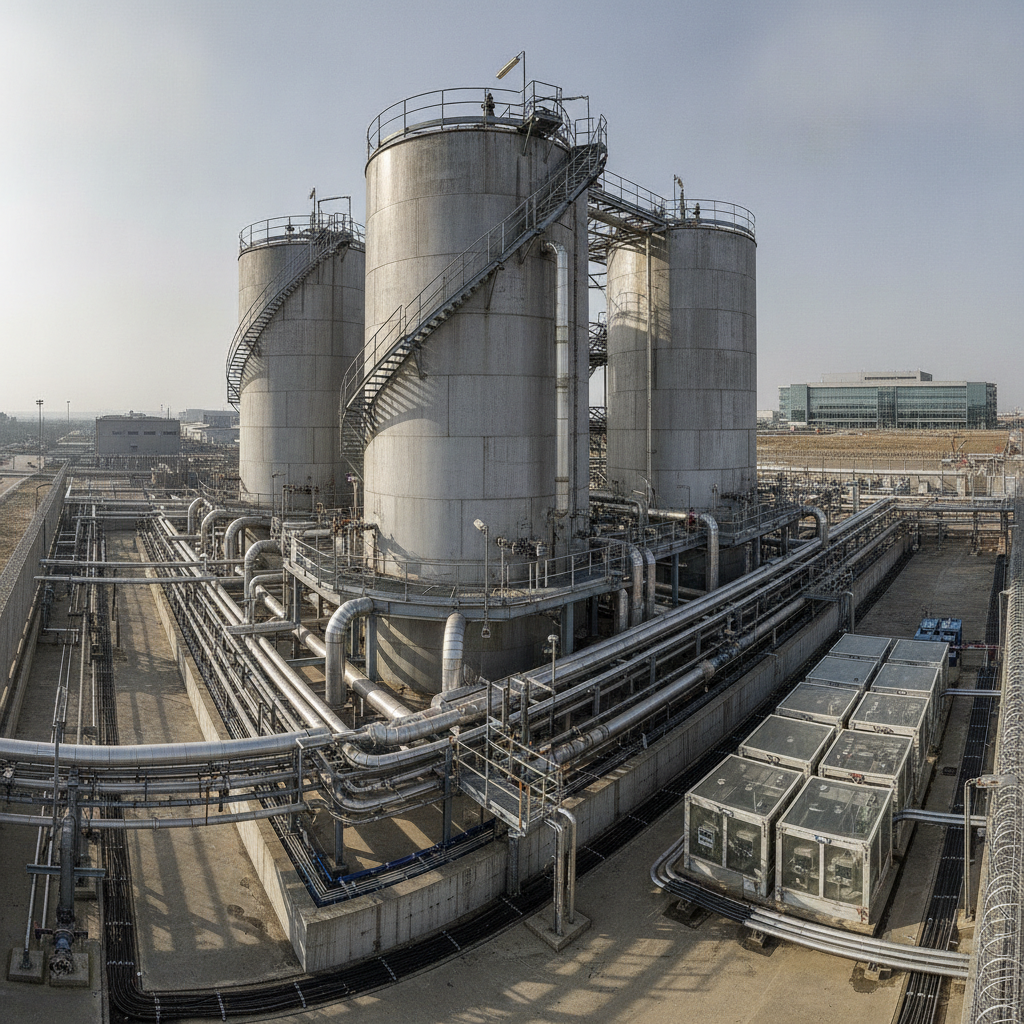
Facility size determines SPCC plan complexity and cost through several measurable factors:
Tank count multiplies documentation time. Each storage tank requires individual assessment, piping diagrams, and containment calculations. Facilities with 5+ tanks typically pay 50-75% more than single-tank operations.
Secondary containment complexity increases engineering hours. Basic spill pallets require minimal documentation while engineered berms, vault systems, and double-wall tanks demand detailed technical analysis.
Site accessibility affects inspection and measurement costs. Consultants charge travel time and hazard premiums for remote locations, elevated platforms, or confined space access requirements.
Environmental sensitivity triggers additional analysis. Facilities near navigable waters, drinking water sources, or environmentally sensitive areas require enhanced spill trajectory modeling and response planning.
Regulatory overlap complicates compliance coordination. Sites subject to multiple programs (RCRA, Clean Air Act, state requirements) need cross-referencing that extends development time.
Each additional storage tank adds $200-$500 to plan development cost depending on size and configuration. A facility with eight tanks pays roughly double what a comparable two-tank operation costs.
Piping complexity matters more than tank count for some facilities. Aboveground systems with multiple transfer points, loading racks, or interconnected tanks require detailed flow diagrams and failure analysis.
When Does PE Certification Add $2,000+ to Your Bill?

PE certification is mandatory Professional Engineer review required for facilities that cannot self-certify under SPCC regulations. This means facilities exceeding 10,000 gallons aggregate oil storage or those failing to meet Tier I/Tier II qualification criteria must obtain PE stamps.
The 1320-gallon threshold under 40 CFR Part 112 determines if you need any SPCC plan. Above that limit, the 10,000-gallon mark separates self-certification from mandatory PE involvement.
PE stamp fees range $800-$2,500 plus $1,500-$5,000 for plan development time. Total PE certification costs run $2,300-$7,500 depending on facility complexity and regional rates.
Facilities lose Tier qualification through several disqualifiers: mobile or portable containers, production facilities, complex drainage systems, or prior discharge history. Each disqualifier forces PE certification regardless of storage volume.
Professional Engineers charge more because they accept legal liability for plan accuracy. Their certification confirms the facility meets all SPCC plan requirements and oil pollution prevention standards. Self-certified plans carry the same compliance obligation but place liability on the facility owner.
Geographic location affects PE availability and pricing. Rural areas with limited environmental engineering firms see higher rates than metropolitan markets with multiple consultant options.
Can You Save Money With Self-Certification?
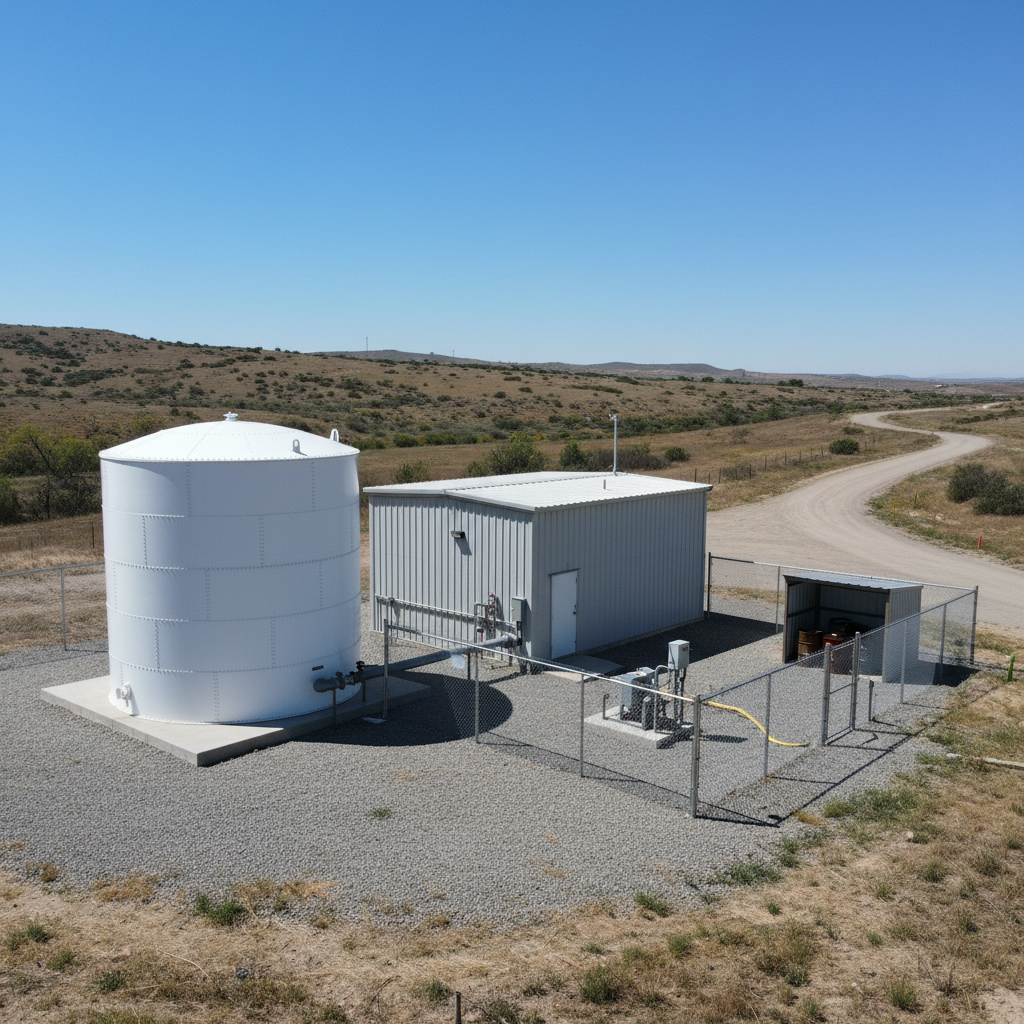
Self-certification saves $2,000-$4,000 for qualifying facilities by eliminating Professional Engineer fees and reducing documentation requirements.
| Certification Type | Total Cost | PE Fee | Development Time |
|---|---|---|---|
| Tier I Self-Cert | $500-$1,500 | $0 | 8-15 hours |
| Tier II Self-Cert | $1,500-$3,000 | $0 | 20-35 hours |
| PE-Certified | $2,500-$7,500 | $800-$2,500 | 30-60 hours |
Tier I qualification requires the most restrictive criteria: single secondary containment system, no production facilities, capacity under 10,000 gallons, and no navigable waters within one mile. Meeting all requirements cuts total project cost by 60-75%.
Tier II allows more flexibility while maintaining self-certification eligibility. Facilities can have multiple containment systems, limited production activities, and closer proximity to waters. Documentation requirements increase but remain manageable without PE involvement.
The SPCC plan amendment process affects long-term savings from self-certification. Self-certified plans require owner signature for amendments while PE plans need professional review. Minor changes to self-certified plans cost $200-$500 versus $800-$1,500 for PE amendments.
Risk tolerance matters when choosing self-certification. Owners accept full liability for plan accuracy and regulatory compliance. Mistakes in self-certified plans carry the same penalties as PE-certified errors, but without professional insurance coverage.
Facilities with stable operations and simple configurations benefit most from self-certification. Sites expecting frequent changes or expansions often find PE certification worth the premium for amendment flexibility.
How Much Do SPCC Consultant Fees Really Run?

SPCC consultant fees vary by geographic region and firm size, with environmental consultants charging different rates than specialized Professional Engineers.
| Consultant Type | Hourly Rate | Typical Total | Geographic Premium |
|---|---|---|---|
| Environmental Consultant | $125-$250 | $1,500-$4,000 | 0-25% |
| PE-Certified Consultant | $180-$350 | $2,500-$7,500 | 15-40% |
| Large National Firm | $200-$400 | $3,000-$8,000+ | 20-50% |
Flat-fee pricing dominates SPCC plan development over hourly billing. Consultants quote fixed prices based on tank count, facility complexity, and certification requirements. This approach protects clients from scope creep but may inflate costs for simple facilities.
Multi-facility clients negotiate volume discounts of 15-30% when developing plans for multiple locations simultaneously. The SPCC fleet maintenance yard sector particularly benefits from standardized templates and bulk pricing.
Hidden costs include site visit travel time, expedited delivery fees, and revision charges beyond the initial scope. California SPCC requirements and other state-specific overlays add 10-25% to base pricing in affected regions.
Regional rate differences reflect local market conditions and regulatory complexity. East Coast metropolitan areas command premium rates while Midwest agricultural regions see lower consultant fees. Remote locations pay travel premiums regardless of base rates.
Small independent consultants often provide competitive pricing but limited capacity for complex facilities or tight deadlines. Large firms offer deeper expertise and faster turnaround at premium rates.
What Are the Ongoing Annual Costs After Plan Approval?

Annual review costs include inspection, documentation, and amendment fees that continue throughout the plan’s lifecycle:
Complete monthly visual inspections of storage areas and containment systems. Internal staff time runs $100-$300 annually for documentation and record-keeping requirements under SPCC plan document requirements.
Conduct annual integrity testing of tanks and piping systems. Third-party testing costs $200-$800 depending on system complexity and access requirements.
Update plans for facility changes exceeding amendment thresholds. Minor amendments cost $300-$800 while major revisions requiring PE re-certification run $1,500-$3,000.
Maintain three years of inspection records and training documentation. Records management and staff training typically cost $150-$400 annually for stable operations.
Review SPCC plan insurance requirements annually to ensure adequate coverage. Insurance premium adjustments and policy reviews add $100-$500 to annual compliance costs.
Annual maintenance runs $300-$800 for stable facilities with minimal changes. Growing operations or those with frequent equipment modifications face $1,000-$2,500 in yearly compliance costs.
Facilities using SPCC plan templates for initial development often see lower amendment costs since standardized formats simplify consultant review time. Custom plans with unique configurations require more extensive analysis for changes.
The five-year plan review cycle represents the minimum update frequency, but operational changes trigger immediate amendment requirements. New tanks, piping modifications, or containment system changes cannot wait for the scheduled review.
Internal compliance programs reduce ongoing costs by catching issues before they become violations. Facilities with dedicated environmental staff typically spend 40-60% less on external consultant fees for routine maintenance.
Frequently Asked Questions
Do small facilities under 1,320 gallons need SPCC plans?
No. The 1320-gallon threshold under 40 CFR Part 112 exempts facilities with total oil storage below this limit. Only facilities exceeding 1,320 gallons in aggregate storage require SPCC plans.
Can I write my own SPCC plan to save money?
Yes, if you qualify for Tier I or Tier II self-certification. Facilities under 10,000 gallons meeting specific criteria can self-certify, saving $2,000-$4,000 in PE fees. However, you remain liable for compliance errors.
How often do SPCC plans need expensive updates?
Plans require review every five years minimum, but facility changes trigger immediate amendments. Minor updates cost $300-$800, while major revisions requiring PE re-certification run $1,500-$3,000.