SPCC requirements by facility type confuse thousands of facility managers who discover they’ve been out of compliance for years. Most facilities storing oil have no clue they fall under 40 CFR Part 112 until EPA shows up with a $25,000 fine.
Key Takeaways:
- Farms storing 1,320+ gallons in above-ground tanks need full SPCC compliance, no agricultural exemption exists
- Data centers with 660+ gallons in backup generators trigger the 1,320-gallon threshold when combined with transformer oil
- Fleet operations hit SPCC requirements faster than expected, a single 500-gallon diesel tank plus equipment hydraulics crosses the line
Do Farms Need SPCC Plans?
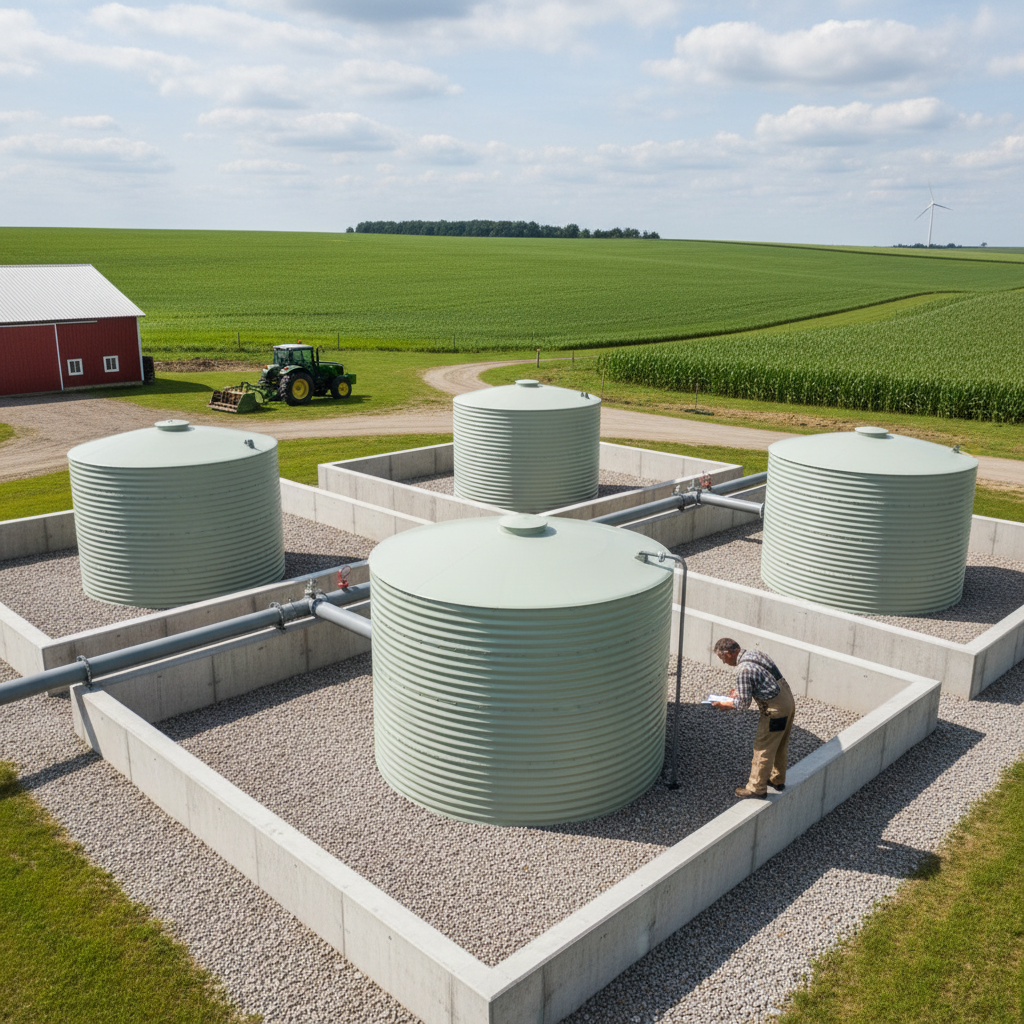
Agricultural SPCC compliance is the requirement farmers most often miss. This means every farm storing 1,320 gallons or more of oil in above-ground containers must have an SPCC plan, file it with their facility, and conduct monthly inspections.
Farm storage scenarios trigger SPCC faster than most operators expect. Diesel fuel tanks for tractors and equipment count first, a typical 1,000-gallon above-ground diesel tank gets you halfway to the threshold before counting anything else. Add hydraulic fluid reservoirs in tractors, combines, and irrigation equipment. Count engine oil in backup generators, milking equipment lubricants, and hydraulic fluid in automated feeding systems.
Dairy operations average 2,400 gallons of oil storage between tractors, milking equipment, and backup generators. Grain operations often exceed 3,000 gallons when combining diesel storage with hydraulic equipment and grain dryer fuel systems.
Most agricultural operations qualify for self-certification under Tier I requirements. Self-certification means the facility owner can write their own SPCC plan without hiring a Professional Engineer. You qualify if your facility has good spill history, no single container over 5,000 gallons, and aggregate above-ground storage under 10,000 gallons. This covers 90% of working farms.
Common farm violations come from misunderstanding agricultural exemptions. No blanket agricultural exemption exists under 40 CFR Part 112. The regulation applies to farms the same way it applies to manufacturing facilities. EPA inspectors cite farms for missing SPCC plans, inadequate secondary containment around fuel tanks, and failure to maintain inspection records. The $59,973 per day penalty applies regardless of your industry.
Farms often miss counting mobile equipment oil. If a piece of equipment stays on your property more than 180 days per year, its oil storage counts toward your SPCC threshold. This includes tractors, combines, irrigation pumps, and backup generators that stay put most of the year.
SPCC Requirements for Data Centers and Generator Facilities
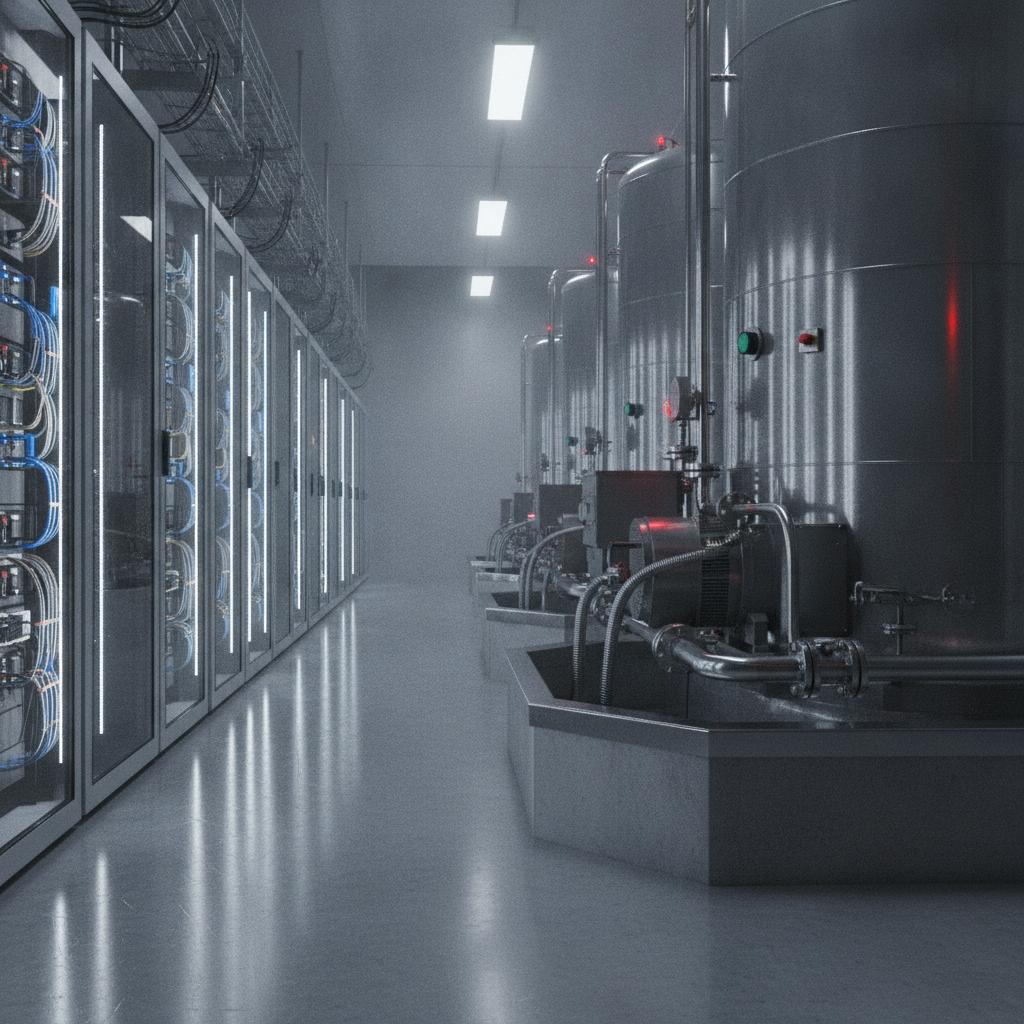
Data center backup systems exceed generator diesel calculation thresholds faster than most IT managers realize. Standard data center with 48-hour backup capacity stores 1,800-3,000 gallons of diesel fuel across multiple generator systems.
Generator fuel storage counts toward your facility’s 1,320-gallon total in several ways. Day tanks connected to generators count. Main diesel storage tanks count. Fuel in transfer pumps and distribution systems counts. Mobile generators that stay on-site more than 180 days per year count.
| Generator Capacity | Fuel Storage | Transformer Oil | SPCC Triggered |
|---|---|---|---|
| 500 kW backup system | 800 gallons diesel | 600 gallons dielectric oil | Yes – 1,400 total |
| 1 MW backup system | 1,500 gallons diesel | 1,200 gallons transformer oil | Yes – 2,700 total |
| 2 MW backup system | 2,400 gallons diesel | 2,000 gallons transformer oil | Yes – 4,400 total |
| Portable generators only | 200 gallons diesel | 400 gallons transformer oil | No – 600 total |
Transformer oil calculations catch data centers off guard. Electrical transformers contain dielectric oil that counts toward your SPCC threshold. Large transformers hold 500-2,000 gallons each. Utility-owned transformers on your property don’t count, but facility-owned electrical equipment does.
Secondary containment requirements for generator rooms follow the same rules as other SPCC facilities. You need containment equal to 110% of the largest tank plus 10% of remaining tank volumes. Generator rooms often fail inspection because fuel lines, day tanks, and transfer equipment lack adequate containment.
Hospitals and emergency facilities face the same generator SPCC requirements as data centers. Emergency power systems designed for extended outages typically store enough fuel to trigger SPCC compliance. Critical facilities often assume emergency use exempts them from environmental regulations. It doesn’t.
Fuel testing and maintenance oil volumes add to your total storage calculation. Fuel quality testing requires sample storage that counts if held on-site. Used oil waiting for pickup counts. Fresh oil inventory for equipment maintenance counts if stored in containers.
Fleet Maintenance SPCC Compliance: Trucks, Construction, Municipal
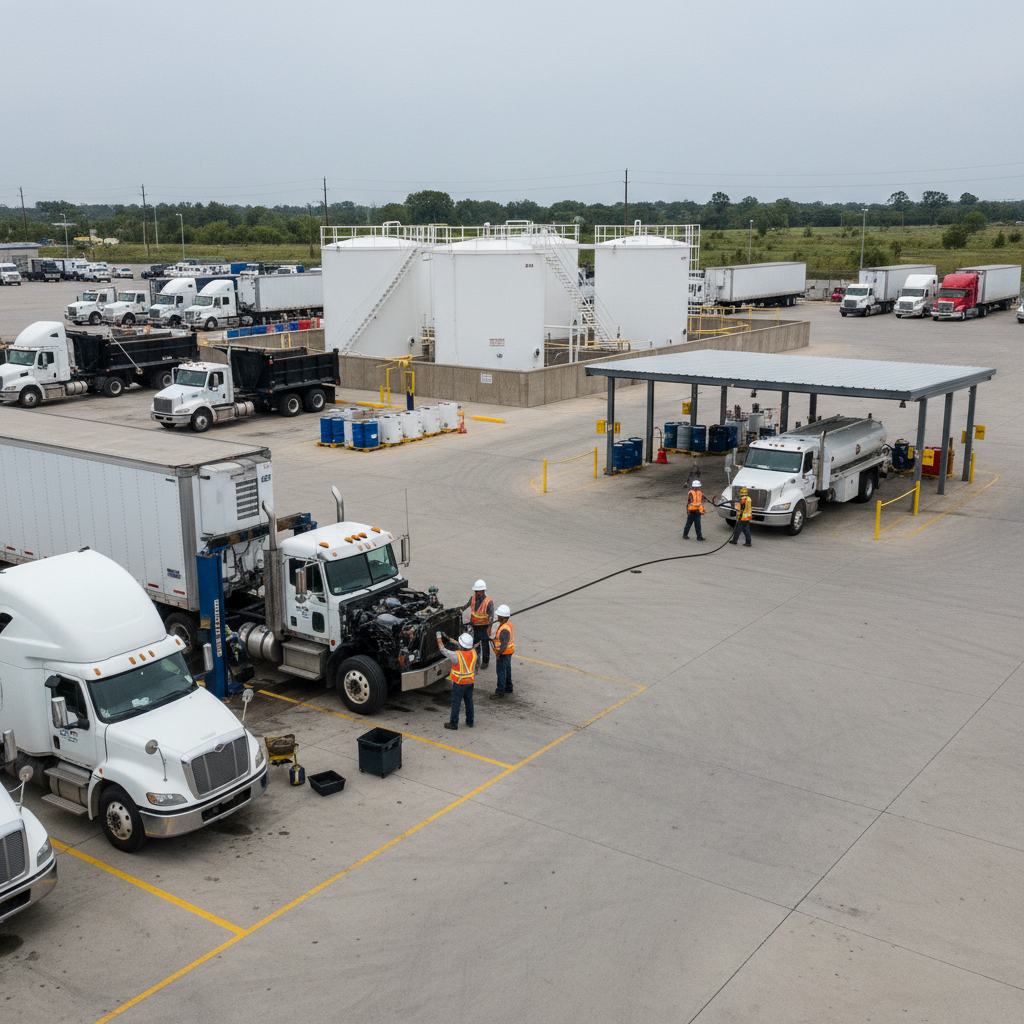
Fleet maintenance facilities must calculate fleet bulk fuel storage volumes using this systematic approach:
Count all fixed fuel storage tanks, Include above-ground diesel tanks, gasoline storage, and bulk hydraulic fluid containers over 55 gallons each.
Add equipment oil reservoirs, Count hydraulic fluid in lifts, oil in parts washers, and lubricants in fixed dispensing systems throughout your facility.
Include fleet vehicle storage, Vehicles parked on-site more than 180 days per year contribute their fuel and oil capacity to your total.
Calculate waste oil storage, Used oil awaiting pickup counts toward your threshold, including oil in collection tanks and temporary storage containers.
Add fuel delivery and transfer systems, Count fuel in transfer pumps, dispensing equipment, and any fuel held in distribution lines or day tanks.
Municipal fleets with 25+ vehicles typically store 2,000-4,500 gallons of fuel and lubricants across maintenance bays, fuel islands, and vehicle storage areas. School bus fleets often exceed SPCC thresholds when combining diesel fuel storage with hydraulic equipment in maintenance bays.
Construction equipment oil storage counting includes hydraulic fluid in excavators, dozers, and mobile cranes that stay on project sites. Long-term construction projects must count equipment oil if machinery remains on-site more than six months. This catches contractors who assume temporary sites are exempt.
Bulk fuel delivery and storage requirements apply when fleet operations receive fuel deliveries into fixed tanks. The storage capacity of your tanks determines SPCC applicability, not the volume delivered in each shipment. A 2,000-gallon diesel tank triggers SPCC compliance even if you only fill it to 800 gallons.
Fleet operations often miss counting fuel in dispensing islands and card-lock systems. Self-service fuel dispensers count as oil storage. Underground tanks are exempt from SPCC, but above-ground dispensing equipment, pumps, and associated fuel lines count toward your total.
Generator and Transformer Oil SPCC Thresholds
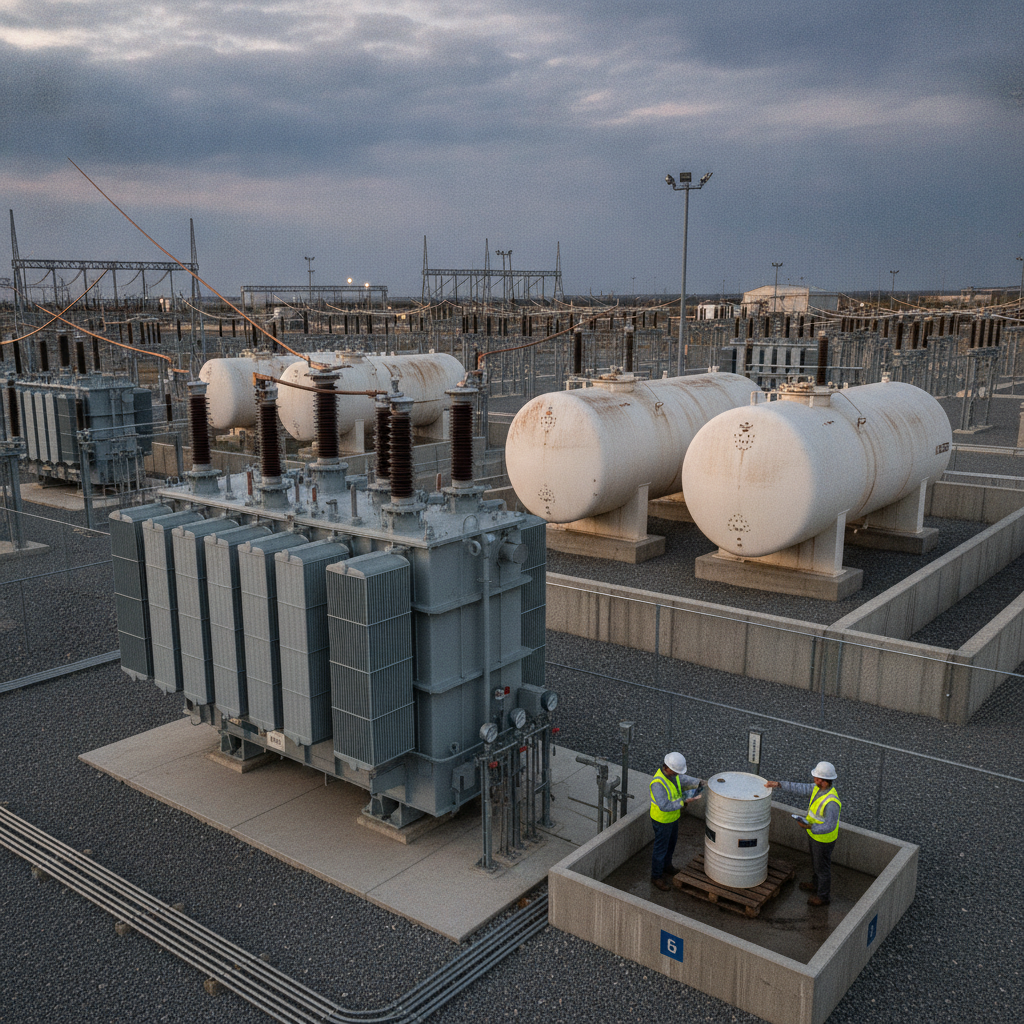
Transformer oil counts toward industry-specific SPCC applicability through several calculation methods:
- Large electrical transformers contain 500-2,000 gallons of dielectric oil each, pushing most industrial facilities over the 1,320-gallon threshold when combined with other oil storage
- Hospital emergency systems combine generator diesel fuel with transformer oil from electrical equipment, typically totaling 2,500-4,000 gallons
- Manufacturing facilities must count transformer oil in production equipment, electrical distribution systems, and backup power transformers throughout their operations
- Data processing centers combine generator fuel storage with transformer oil from UPS systems, electrical distribution, and cooling equipment transformers
Generator fuel storage calculations include more than most facility managers expect. Fuel in day tanks connected to generators counts. Diesel stored in main supply tanks counts. Fuel held in transfer systems between storage and generators counts. Used oil from generator maintenance counts if stored on-site.
Utility-owned transformers don’t count toward your SPCC total. If the electric company owns the transformer and maintains it, that oil doesn’t affect your calculation. Facility-owned electrical equipment does count. This distinction matters for industrial facilities with both utility-supplied power and facility-owned backup systems.
Industrial transformer oil volumes vary by facility size and electrical load. Manufacturing plants with heavy machinery often have 5,000-10,000 gallons of transformer oil across production equipment. Food processing facilities combine transformer oil with cooking oils and equipment lubricants to reach 8,000-15,000 gallons total.
Marina Fuel Docks and Water-Adjacent Facilities
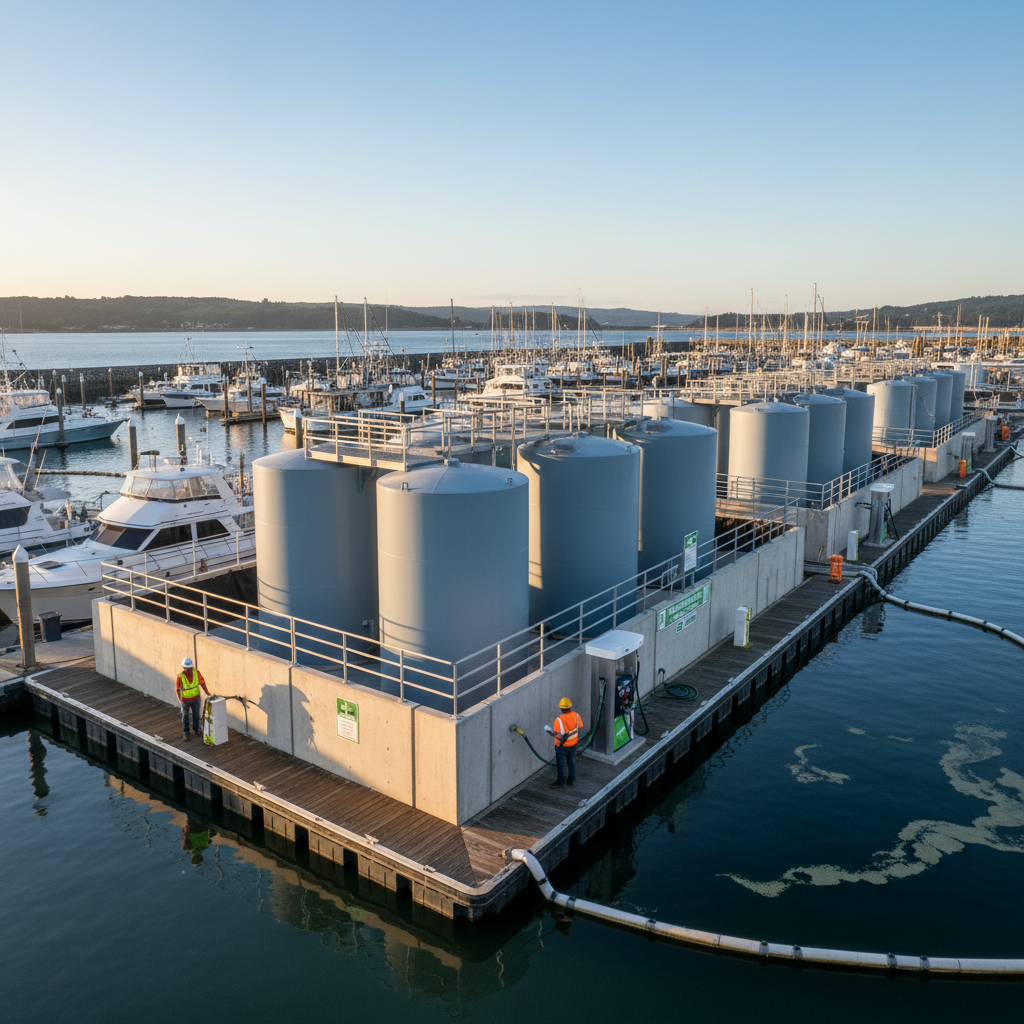
Marina fuel systems require enhanced secondary containment measures because EPA treats potential spills to navigable waters as higher risk. Marina fuel docks follow the same 1,320-gallon threshold as land-based facilities, but face additional protective requirements.
Marina fuel dispensing systems typically exceed SPCC thresholds significantly. Marina fuel systems average 10,000-20,000 gallons storage capacity for dock operations. Most marinas store diesel fuel for commercial vessels, gasoline for recreational boats, and lubricating oils for engine services.
Water proximity secondary containment rules require barriers that prevent oil from reaching navigable waters. Standard secondary containment must hold 110% of the largest container, but waterfront facilities often need additional barriers between containment systems and water bodies. Some states require double-wall tanks or enhanced containment systems at waterfront locations.
Recreational vehicle parks with fuel services face the same SPCC requirements as marinas when providing fuel to customers. RV parks with above-ground fuel storage for guest use must comply with secondary containment and SPCC planning requirements. The fuel service triggers commercial storage regulations even if the primary business is lodging.
Waterfront industrial facilities have enhanced SPCC obligations beyond standard manufacturing requirements. Chemical plants, food processing facilities, and manufacturing operations near water face additional inspection requirements and enhanced spill response planning. Distance from navigable waters affects your facility’s risk assessment and response planning requirements.
Port facilities and marine terminals operate under specialized SPCC requirements that go beyond typical industrial compliance. Fuel transfer operations, vessel fueling services, and cargo handling equipment create complex oil storage scenarios that require facility-specific engineering analysis.
Manufacturing and Industrial Facility SPCC Requirements
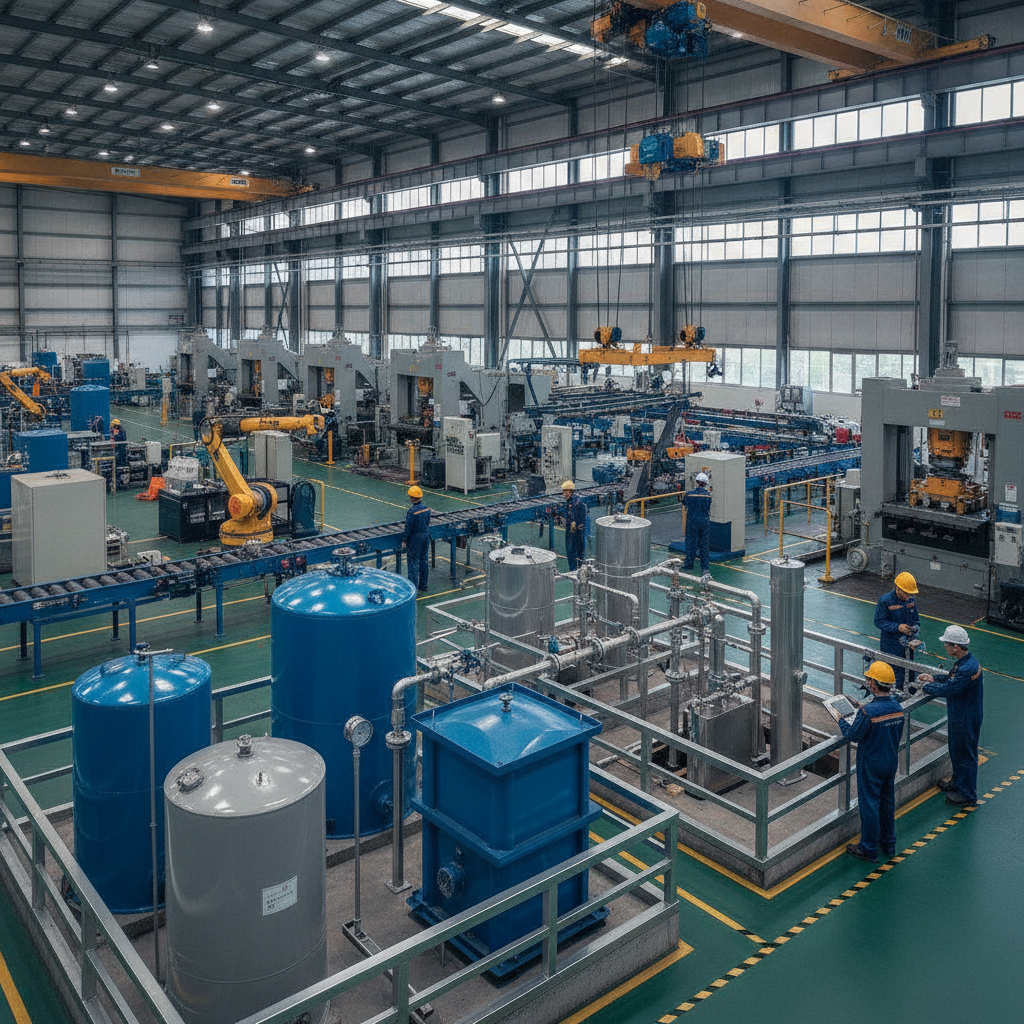
Industrial facilities face complex vertical compliance scenarios because manufacturing operations combine multiple oil storage types under a single SPCC calculation. Manufacturing equipment hydraulic fluid, process oils, and facility infrastructure oil all count toward the 1,320-gallon threshold.
| Facility Type | Typical Oil Storage | Common SPCC Total | 40 CFR Part 112 Status |
|---|---|---|---|
| Food processing plant | Cooking oils, equipment lubricants | 8,000-15,000 gallons | PE certification required |
| Metal fabrication | Hydraulic fluid, cutting oils | 3,000-8,000 gallons | Tier II qualified facility |
| Chemical manufacturing | Process oils, equipment lubricants | 15,000-50,000 gallons | PE certification required |
| Automotive assembly | Hydraulic systems, lubricants | 10,000-25,000 gallons | PE certification required |
Food processing plants average 5,000-15,000 gallons of cooking oils and equipment lubricants across production lines, storage tanks, and food preparation equipment. Cooking oils in fryers, storage tanks, and food preparation count toward SPCC totals. Equipment lubricants in conveyors, packaging machinery, and processing equipment add to the calculation.
Chemical plant SPCC requirements interact with other environmental regulations including RCRA, Clean Air Act, and facility-specific permits. Chemical facilities often exceed 50,000 gallons of oil storage, requiring PE certification and enhanced spill response capabilities. Process oils, equipment lubricants, and facility infrastructure oils combine to create complex compliance scenarios.
Warehouse and distribution centers trigger SPCC requirements through material handling equipment and fleet operations. Hydraulic fluid in forklifts, dock equipment, and conveyor systems counts toward facility totals. Distribution centers with on-site fleet maintenance often store 3,000-8,000 gallons of fuel and lubricants.
Manufacturing facilities must count oil in production equipment including hydraulic presses, CNC machines, and automated assembly equipment. Each piece of equipment contributes hydraulic fluid, lubricating oils, and coolants to the facility’s SPCC calculation. Large manufacturing operations often exceed 25,000 gallons across all production equipment.
Frequently Asked Questions
Do backup generators count toward the 1,320 gallon SPCC threshold?
Yes, diesel fuel in backup generators counts toward your facility’s total oil storage capacity. You must include fuel in generator day tanks, main storage tanks, and any connected fuel systems when calculating SPCC applicability. Mobile generators staying on-site more than 180 days per year also count.
What oil storage counts at manufacturing facilities for SPCC?
Manufacturing facilities must count hydraulic fluid in equipment, lubricating oils, cutting fluids, and any petroleum-based process oils. This includes oil in machinery, storage tanks, and equipment reservoirs throughout the facility. Used oil awaiting pickup also counts toward your total.
Do marinas need different SPCC requirements than land-based facilities?
Marina fuel docks follow the same 1,320-gallon threshold but face enhanced secondary containment requirements due to water proximity. EPA treats potential spills to navigable waters as higher risk requiring additional protective measures. Some coastal states mandate double-wall tanks or enhanced containment systems for waterfront fuel storage.