
SPCC for Data Centers and Hospitals: Generator Fuel and Transformer Oil

SPCC data center generator requirements catch facility managers off-guard when backup power systems push total oil storage past EPA thresholds. Your data center’s backup generators just pushed you past the 1,320-gallon threshold, and now the EPA wants an SPCC plan, even though you’re not an oil refinery.
Key Takeaways:
- Data centers with 1,320+ gallons of diesel fuel and transformer oil combined need SPCC plans under 40 CFR Part 112
- Hospital backup generators count toward facility-wide oil storage thresholds, triggering compliance for 78% of major medical centers
- Campus threshold aggregation means all oil storage across connected facilities counts toward your 1,320-gallon trigger
Data centers and hospitals don’t think of themselves as oil storage facilities. But when you aggregate diesel generators, transformer oil, and heating systems across campus operations, many exceed federal thresholds that trigger SPCC requirements by facility type. The EPA doesn’t distinguish between industrial refineries and non-industrial facilities when counting oil storage under 40 CFR Part 112.
Do Data Centers Need SPCC Plans?
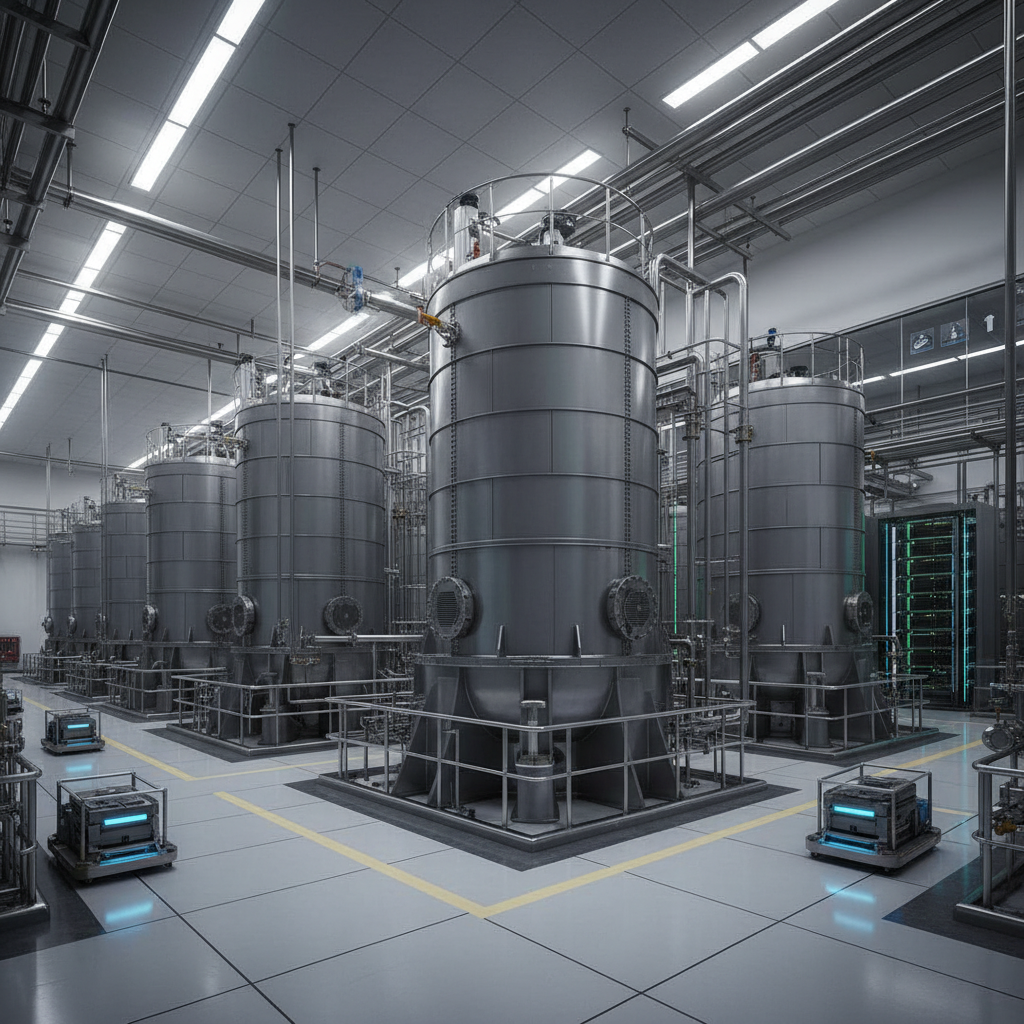
SPCC requirements for data centers are triggered by total facility oil storage capacity, not facility type. This means any data center storing 1,320 gallons or more of regulated oil needs an SPCC plan under 40 CFR Part 112, regardless of whether the facility processes oil as its primary business.
Regulated oil storage at data centers includes diesel fuel in backup generators, transformer oil in electrical equipment, and heating oil in HVAC systems. The EPA counts all petroleum products with specific gravity between 0.8 and 1.0 and heating value above 18,000 BTU per pound as regulated oil. Most generator diesel fuel and transformer oil meet these specifications.
Non-industrial facility coverage under EPA rules means data centers face the same SPCC requirements as manufacturing plants or refineries. The regulation focuses on oil storage capacity, not industry classification. A 50,000-square-foot data center with multiple backup generators can easily exceed the 1,320-gallon threshold through normal operations.
The threshold calculation includes all oil storage at the facility, whether above-ground or underground, permanent or temporary. Data centers typically hit SPCC thresholds through diesel day tanks, main fuel storage, transformer oil reservoirs, and emergency heating systems combined.
What Generator Fuels and Transformer Oils Count Toward SPCC Thresholds?
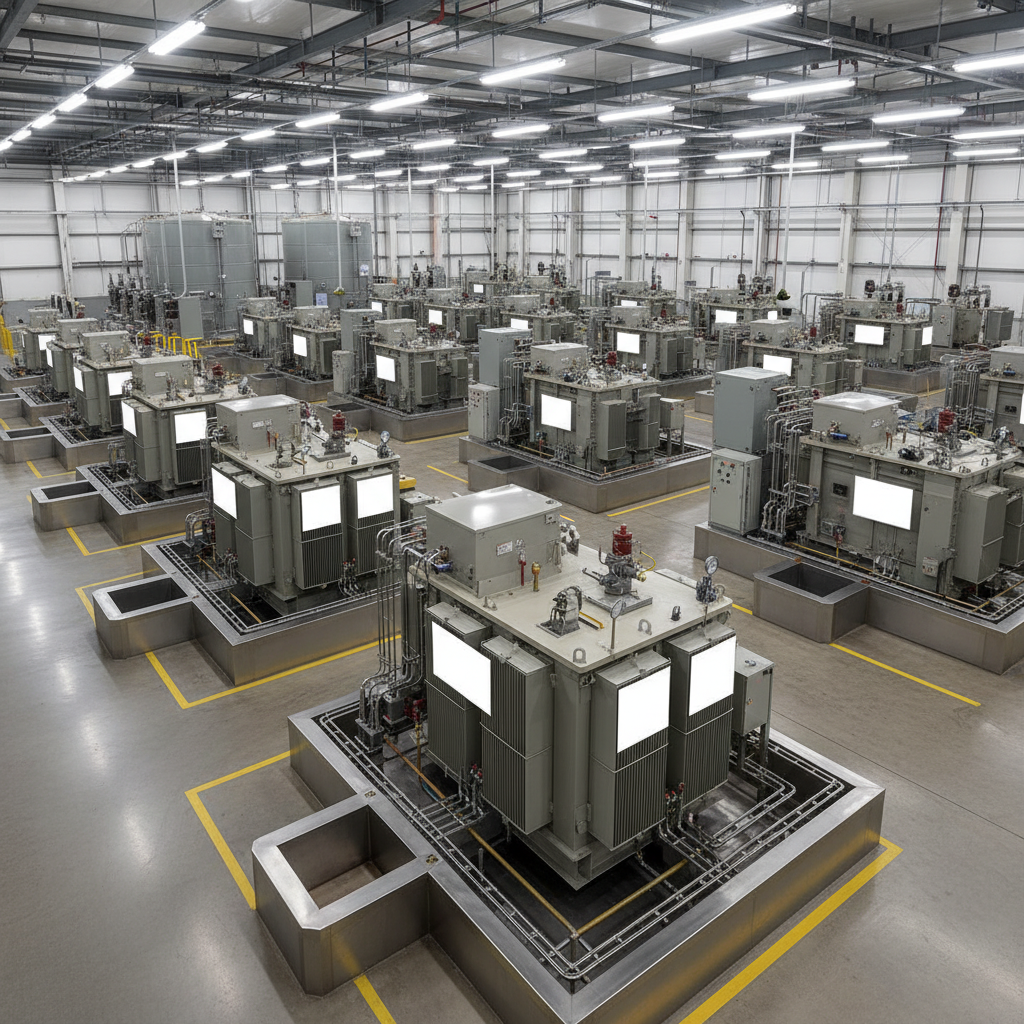
Not all fluids at your facility count toward SPCC storage calculations. The EPA defines regulated oil by specific gravity and BTU content, which eliminates many industrial fluids but includes most generator and transformer products.
| Oil Type | SPCC Regulated | Threshold Impact |
|---|---|---|
| Diesel generator fuel | Yes | Full capacity counts |
| Transformer oil (mineral) | Yes | Full capacity counts |
| Heating oil (#2, #4, #6) | Yes | Full capacity counts |
| Hydraulic fluid (petroleum) | Yes | Full capacity counts |
| Coolant/antifreeze | No | Does not count |
| Synthetic transformer oil | No | Does not count |
| Natural gas | No | Does not count |
Generator diesel fuel qualifies as regulated oil under SPCC because it meets the specific gravity range of 0.8 to 1.0 and exceeds 18,000 BTU per pound heating value. Standard #2 diesel fuel used in backup generators has a specific gravity of 0.85 and heating value of 19,300 BTU per pound.
Transformer oil classifications depend on whether the oil is petroleum-based or synthetic. Mineral transformer oil (petroleum-based) counts toward SPCC thresholds because it meets EPA specifications for regulated oil. Synthetic transformer oils typically don’t qualify as regulated oil under SPCC rules.
Heating oil exclusions don’t apply to commercial facilities. Residential heating oil gets an exemption under 40 CFR Part 112, but heating oil at data centers and hospitals counts toward facility storage totals. The EPA considers commercial heating systems part of facility operations.
How Do Hospitals Calculate SPCC Storage Thresholds?
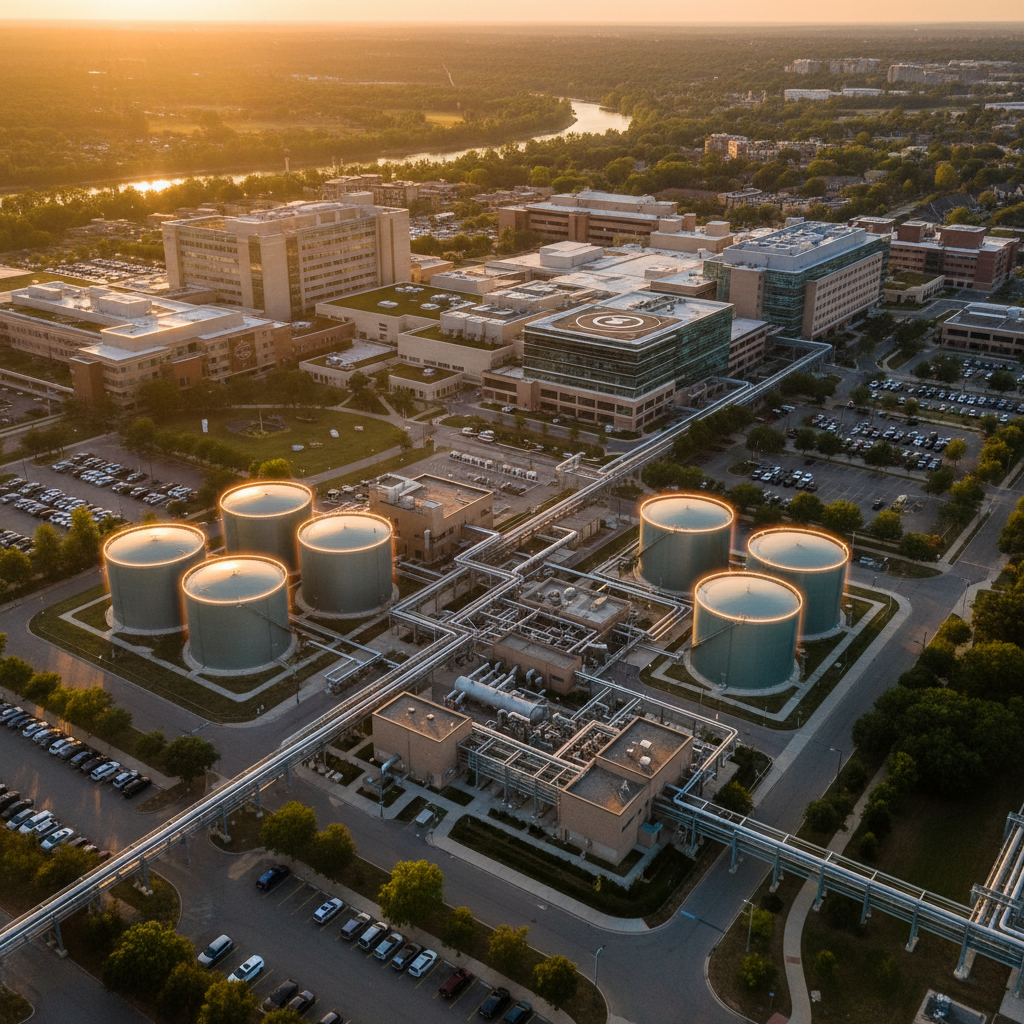
Healthcare facilities aggregate all oil storage across their campus to determine SPCC compliance requirements. The calculation includes every building, parking structure, and utility system under common ownership or operational control.
Inventory all diesel generators across the hospital campus, including main buildings, outpatient facilities, parking structures, and utility buildings. Count both day tank capacity and main fuel storage for each generator system.
Add transformer oil capacity from electrical distribution equipment, including main transformers, pad-mounted units, and backup electrical systems. Include oil in both active transformers and spare units stored on-site.
Include heating system oil from boilers, emergency heating equipment, and backup HVAC systems. Hospital heating oil storage often exceeds 500 gallons per building in northern climates.
Count maintenance equipment fuel stored in fleet vehicles, grounds equipment, and emergency response vehicles permanently stationed at the facility for more than 30 days.
Apply campus aggregation rules that combine storage across all connected healthcare buildings under unified management, ownership, or operational control.
Campus aggregation rules combine storage across connected healthcare buildings when facilities share utilities, management, or operational systems. A hospital with 800 gallons in the main building and 600 gallons in the medical office building exceeds the 1,320-gallon threshold and needs SPCC compliance.
Campus Threshold Aggregation: When Multiple Buildings Count as One Facility
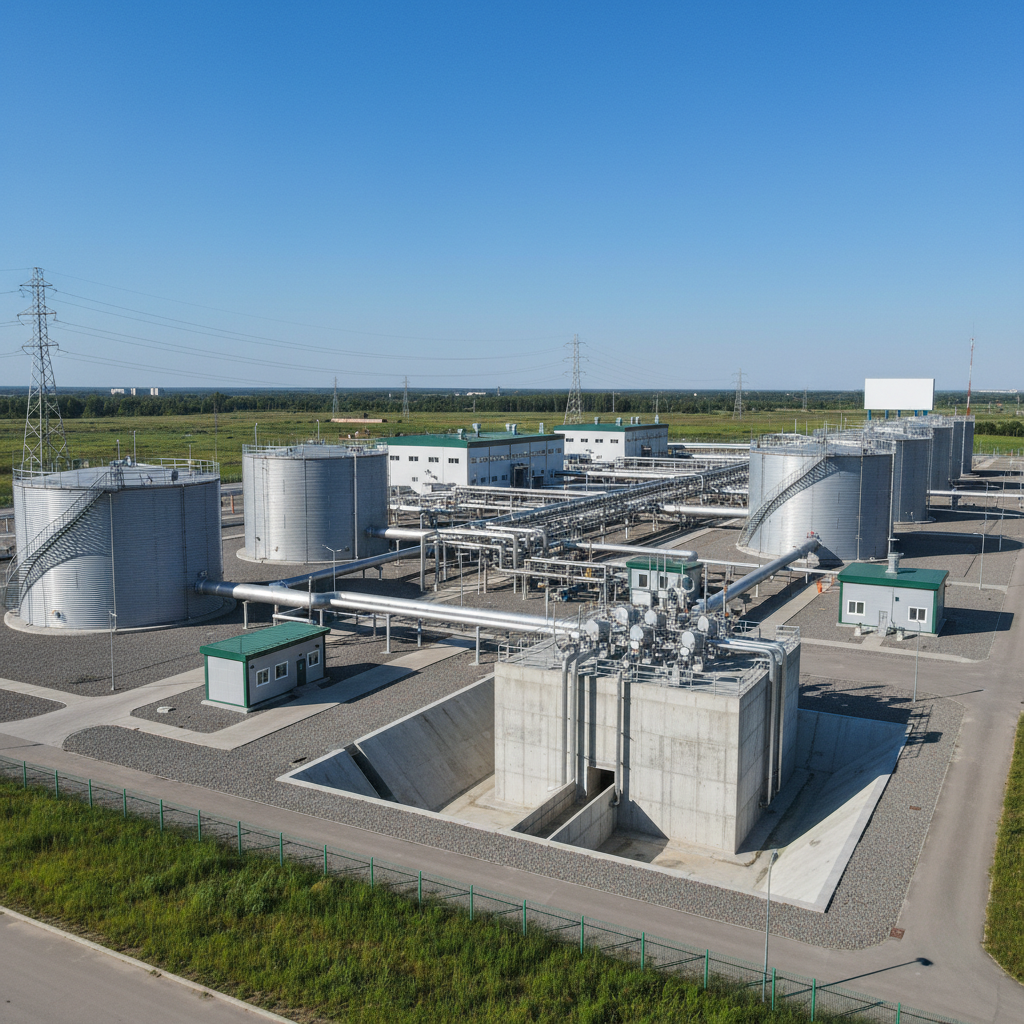
Campus facilities aggregate oil storage across connected operations when buildings share infrastructure, management, or operational control. The EPA considers multiple structures as one facility under specific connection criteria.
Shared utility infrastructure creates facility connectivity when buildings share electrical grids, steam lines, water systems, or waste treatment facilities. Medical campuses with central utility plants aggregate storage across all connected buildings.
Common operational control applies when the same entity manages day-to-day operations across multiple buildings, even with different ownership structures. Hospital systems managing multiple buildings under one facilities department aggregate storage campus-wide.
Integrated business operations trigger aggregation when buildings function as parts of a single business operation. University campuses with centralized facilities management count oil storage across dormitories, academic buildings, and administrative facilities.
Contiguous property ownership doesn’t automatically create facility aggregation, but combined with operational integration, it strengthens the case for treating multiple buildings as one facility under EPA guidance.
EPA guidance on facility connectivity requires evaluating operational integration rather than just physical proximity. Two hospitals across the street from each other don’t aggregate storage unless they share management, utilities, or integrated operations that create functional connectivity.
Secondary Containment Requirements for Non-Industrial Facilities
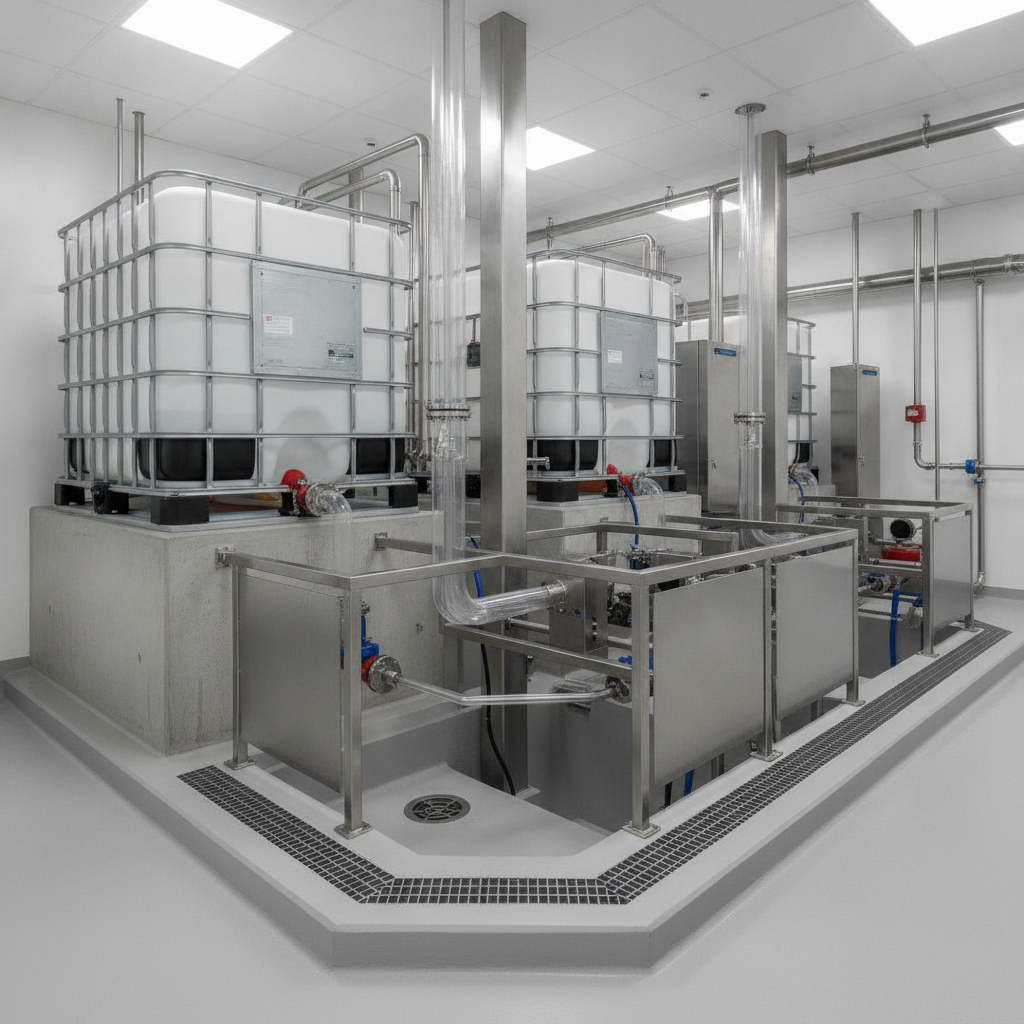
Non-industrial facilities face the same secondary containment requirements as industrial sites, but implementation often looks different due to space constraints and building codes that affect containment system design.
| Containment Type | Industrial Standard | Non-Industrial Adaptation |
|---|---|---|
| Generator fuel tanks | Concrete containment pad | Spill containment pallet system |
| Transformer oil | Gravel-filled containment | Polyethylene containment sump |
| Day tank systems | Welded steel containment | Pre-fabricated containment platform |
| Fuel dispensing | Concrete containment structure | Mobile spill containment berm |
Secondary containment systems must hold 110% of the largest container’s capacity or 10% of total storage volume, whichever is greater. A 1,000-gallon generator fuel tank needs 1,100 gallons of containment capacity, not just the spill volume from one tank.
Vertical compliance scenarios for data centers often require containment systems that fit within existing building footprints and meet fire code requirements. Standard industrial containment structures may not work in data center environments due to space constraints and electrical safety requirements.
Industry-specific SPCC applicability means hospitals and data centers can use containment systems designed for their facility constraints, but capacity and impermeability requirements remain the same. Pre-fabricated containment systems often provide better solutions than custom concrete containment in non-industrial settings.
Practical implementation differences include using spill containment pallets instead of concrete pads for smaller tanks, polyethylene containment sumps for transformer applications, and mobile containment berms for fuel dispensing areas where permanent structures aren’t feasible.
Frequently Asked Questions
Does my university need an SPCC plan for campus generators?
Universities need SPCC plans when all oil storage across connected campus facilities exceeds 1,320 gallons. This includes diesel generators, transformer oil, heating oil, and maintenance equipment fuel. Most major universities exceed this threshold through normal campus operations.
What happens if I add more generator capacity after getting SPCC approval?
You must amend your SPCC plan within 6 months if storage capacity increases significantly or if you add new storage locations. The amendment process requires updating facility diagrams and containment specifications to reflect new equipment.
Do mobile generators count toward my facility’s oil storage threshold?
Mobile generators count toward SPCC thresholds if they remain on-site for more than 30 days or are permanently stationed at the facility. Temporary emergency deployment during power outages typically doesn’t trigger threshold calculations unless the equipment becomes a permanent fixture.