
SPCC inspection requirements catch more facilities off-guard than plan writing itself, and the $59,973-per-day penalties prove EPA inspectors know exactly where to look.
Key Takeaways:
- Monthly visual inspections must document container integrity, pipe connections, and valve positions, with 3-year record retention required
- SPCC training requirements mandate annual refreshers for response personnel, with documented competency verification
- $59,973 per day maximum penalties apply to each violation category, inspection gaps, missing records, and inadequate spill response procedures count separately
What Does Monthly SPCC Inspection Actually Require?
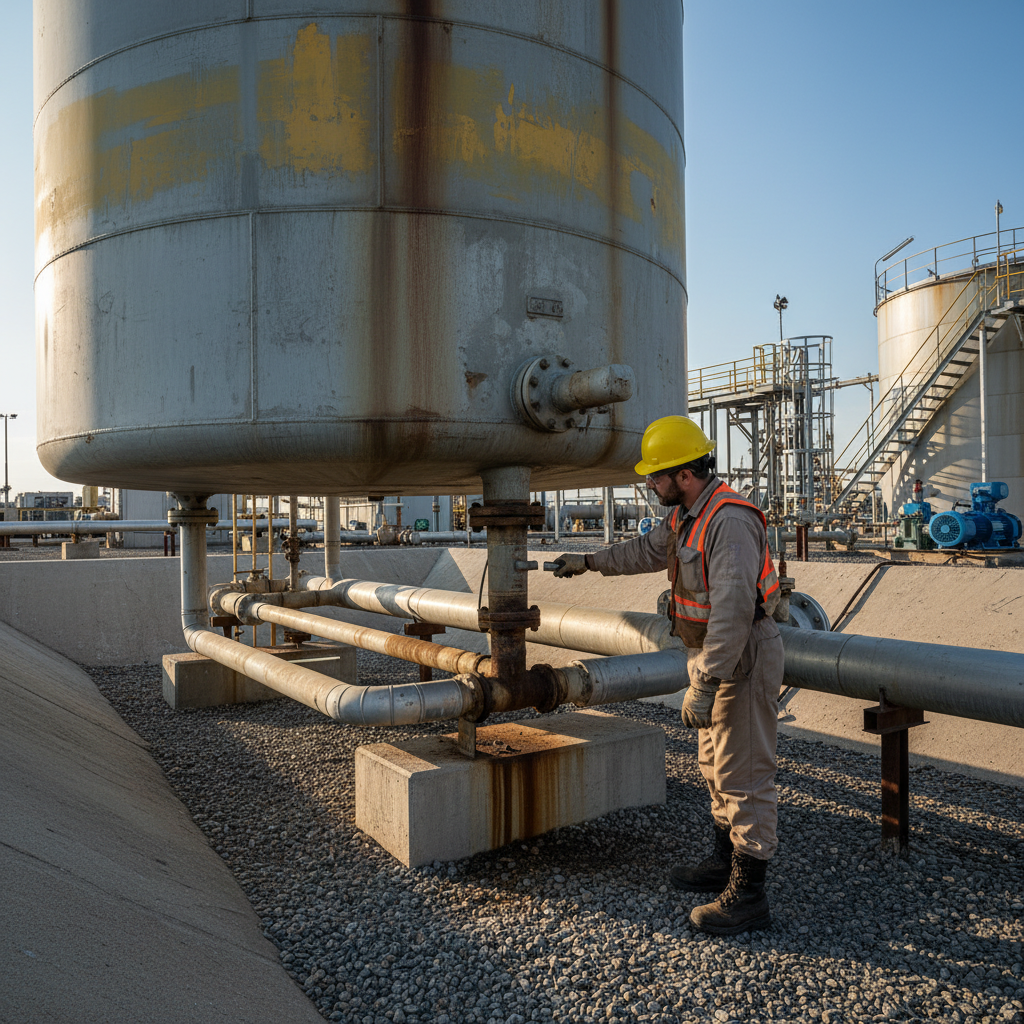
Monthly SPCC inspections are visual examinations of oil storage containers, piping systems, and secondary containment structures to identify leaks, corrosion, or structural damage. This means you walk your facility once per month, document what you see, and keep records for three years.
The monthly inspection requirement under 40 CFR Part 112 applies to all containers, regardless of size or location within your facility boundaries. You check aboveground storage tanks, drum storage areas, piping connections, loading racks, and secondary containment systems. The inspection covers external surfaces only, you’re looking for visible signs of problems, not performing invasive testing.
Specific visual checks include container shell integrity, foundation condition, pipe joint connections, valve positions and operability, secondary containment structure condition, and signs of oil discharge or accumulation. Document any staining, corrosion, dents, cracks, or pooled liquids. Note valve positions, open drain valves in containment areas represent the most common SPCC violation.
Any trained facility employee can perform monthly inspections. EPA doesn’t require certified inspectors or specialized credentials for routine visual checks. The person conducting inspections must know what to look for and how to document findings. Weather conditions matter, skip inspections during heavy rain, snow, or ice when conditions prevent safe examination of equipment.
Inspection documentation must capture the date, time, inspector name, areas examined, and findings. Record normal conditions as well as problems identified. “No issues observed” counts as a finding when that’s accurate. Include photographs of any abnormal conditions, pictures provide evidence that you identified and addressed problems.
Monthly inspections complement but don’t replace other SPCC requirements. You still need integrity testing for buried piping, periodic testing of tank systems, and professional inspections of complex equipment. The monthly requirement ensures you catch visible problems before they become major releases.
SPCC Inspection Checklist: What EPA Inspectors Actually Look For
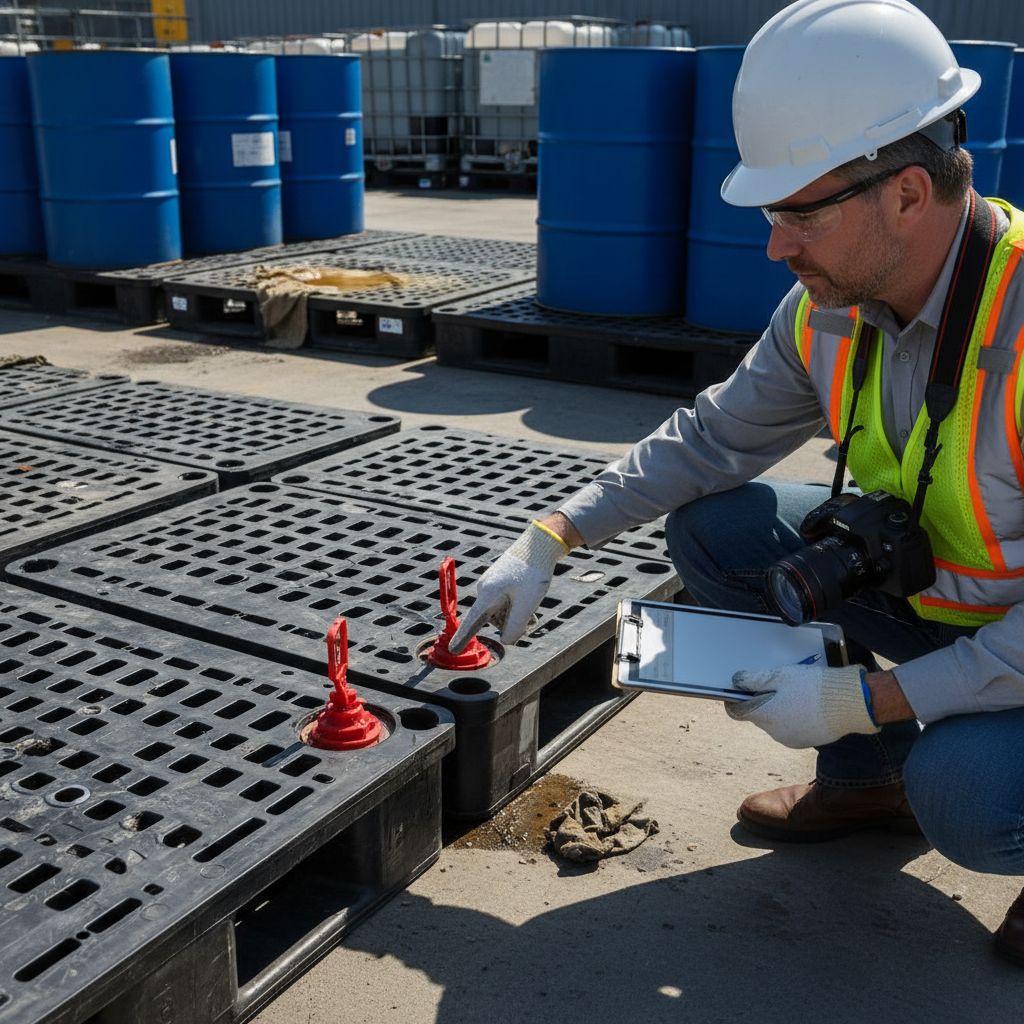
EPA inspectors focus on documentation gaps, pre-filled records, and the most common physical violations during facility audits. Open drain valves represent 40% of initial SPCC inspection findings based on enforcement patterns, inspectors check containment berms and spill pallets first.
Here’s what triggers violations during EPA inspections:
Open drain valves in secondary containment systems. Inspectors photograph every drain valve position in containment berms, spill pallets, and dike systems. Valves must remain closed except during active draining operations with personnel present.
Missing or incomplete inspection records. EPA reviews three years of documentation. Gaps longer than 35 days between inspections trigger automatic violations. Pre-filled inspection logs with identical handwriting patterns indicate falsification.
Inadequate inspection documentation. Records showing only “OK” or checkmarks without specific observations suggest incomplete inspections. EPA expects descriptions of what you examined and what you found.
Personnel training gaps. Inspectors verify that all employees involved in oil handling or spill response completed annual training. Missing certificates or expired training dates result in personnel-related violations.
Spill response equipment problems. EPA checks response kit contents, equipment condition, and accessibility. Expired absorbent materials, missing equipment, or kits stored in locked areas during off-hours create response capability violations.
Secondary containment volume shortfalls. Inspectors measure actual containment capacity and compare it to calculated requirements. Common problems include equipment stored inside berms, accumulated rainwater, or damaged containment walls reducing effective volume.
Plan amendment failures. Changes to facility operations, tank installations, or piping modifications require plan updates. EPA compares current facility conditions to plan drawings and identifies unaddressed modifications.
Discharge pathway modifications. Inspectors examine drainage systems, storm water connections, and potential discharge routes. Unauthorized connections between contained areas and storm drains create automatic violations.
Pre-filled records create the worst enforcement outcomes. EPA inspectors check ink consistency, handwriting patterns, and cross-reference inspection dates with facility operating schedules. Facilities with Monday-through-Friday inspection logs raise immediate suspicion, oil doesn’t recognize business hours.
Document actual conditions on actual dates. EPA recognizes that weather, equipment outages, and operational constraints affect inspection timing. Explaining a two-week gap between inspections due to facility shutdown won’t trigger violations. Pre-filling records to show perfect monthly intervals will.
How Long Must You Keep SPCC Records and What Format Do They Need?

SPCC facilities must retain inspection records for minimum 3 years from the date of each inspection. This applies to monthly visual inspection logs, equipment testing records, training documentation, and spill incident reports.
| Record Type | Minimum Retention | Format Requirements | Storage Location |
|---|---|---|---|
| Monthly inspection logs | 3 years | Written or electronic with inspector signature | On-site or readily accessible |
| Equipment testing records | 3 years | Original test reports with certified results | On-site during business hours |
| Personnel training certificates | 3 years from completion | Original certificates or verified copies | Available for employee verification |
| Spill incident documentation | 3 years from incident | Complete incident reports with photos | On-site for EPA review |
| Plan amendment records | Life of facility | Original PE certification and revision history | Permanent facility files |
Record format flexibility allows paper or electronic storage. EPA accepts digital files, cloud storage, and electronic signatures as long as records remain accessible during inspections. Electronic systems must include backup procedures and access protocols for EPA inspectors.
Facility ownership transfers don’t reset retention timelines. New owners inherit existing record retention obligations for the full three-year period. Purchase agreements should address SPCC record transfers and ongoing compliance responsibilities.
Records must remain “readily accessible” during normal business hours. This means available within 24 hours of EPA request, not stored in off-site warehouses or archived systems requiring special retrieval procedures. Cloud storage meets accessibility requirements if you can print or display records on demand.
Pre-filled records violate federal documentation requirements regardless of storage format. EPA considers identical entries across multiple inspection dates as evidence of record falsification. This triggers maximum penalty assessment and potential criminal referral for federal records violations.
Destroying records before the three-year minimum creates additional violations. EPA assesses penalties for missing documentation even when facilities claim accidental deletion or damage. Backup procedures become critical for electronic record systems, data loss doesn’t excuse compliance failures.
What Training Requirements Apply to SPCC Response Personnel?
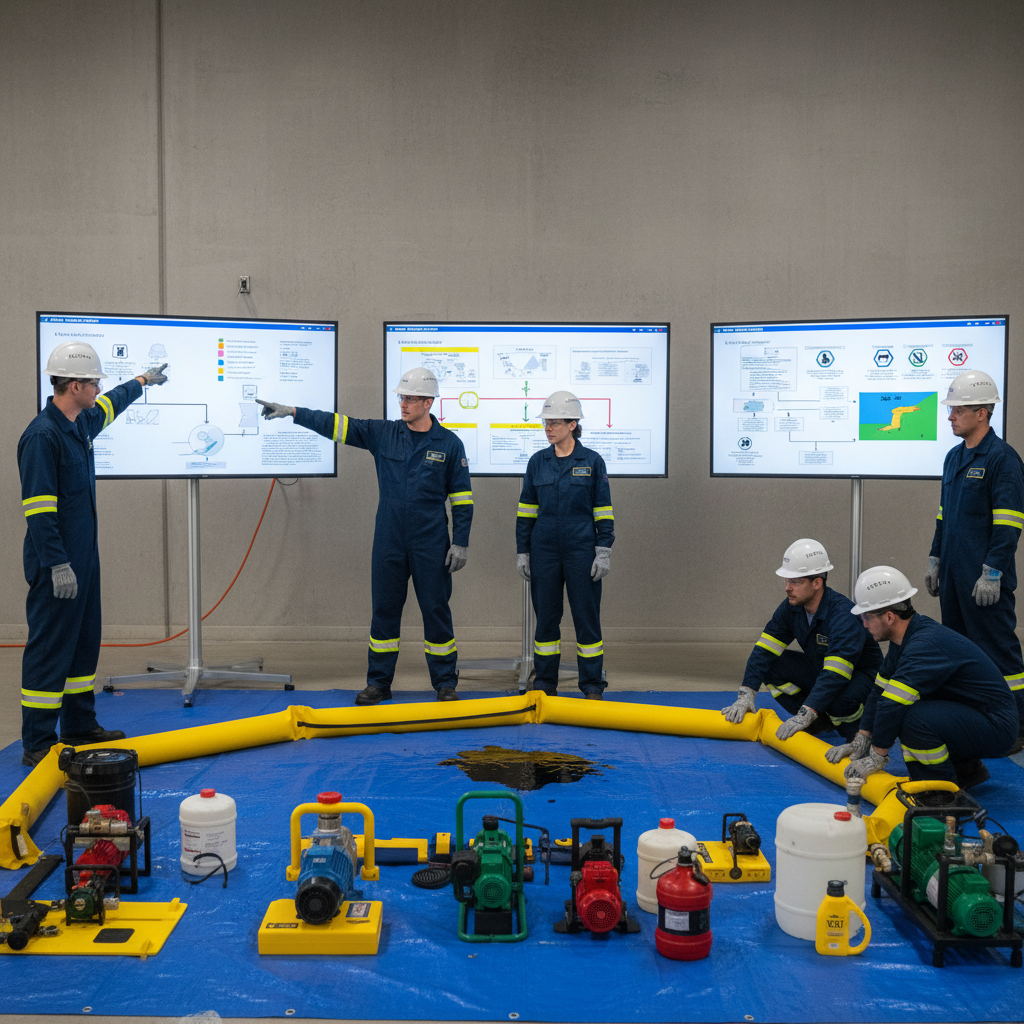
SPCC personnel must complete annual spill response training with documented competency verification. This covers all employees involved in oil handling, equipment operation, or emergency response activities at your facility.
Training implementation follows these steps:
Identify personnel requiring training. Include equipment operators, maintenance staff, emergency response team members, and supervisory personnel with oil handling responsibilities. Part-time and contract workers need training if they operate oil storage equipment.
Develop facility-specific training content. Cover your actual spill response procedures, equipment locations, notification protocols, and cleanup procedures. Generic training programs miss facility-specific requirements that EPA inspectors verify during audits.
Document competency verification. Test employee knowledge of response procedures, equipment operation, and notification requirements. Written tests, practical demonstrations, or supervised response drills satisfy competency requirements.
Schedule annual refresher training. Repeat training within 12 months of previous completion. Track expiration dates and schedule renewals before certifications lapse. Gap periods without current training create personnel violations.
Maintain training records for three years. Document completion dates, training content, competency test results, and instructor qualifications. Include attendance rosters and course materials EPA inspectors review during facility audits.
Update training for facility changes. Revise training content when you modify equipment, procedures, or response protocols. New employees need initial training before handling oil storage operations.
Training content must address facility-specific spill response procedures, emergency notification requirements, response equipment locations and operation, containment and cleanup methods, and regulatory reporting obligations. Generic spill response courses don’t satisfy SPCC training requirements unless customized for your facility.
Competency documentation proves employees understand response procedures. EPA expects evidence that trained personnel can actually perform required response actions. Attendance certificates without competency verification create training compliance gaps during inspections.
Annual training refreshers maintain current competency levels. EPA considers training expired after 12 months regardless of employee experience levels. Veteran operators need refresher training on the same schedule as new employees.
What Must Your Spill Response Procedures Include?
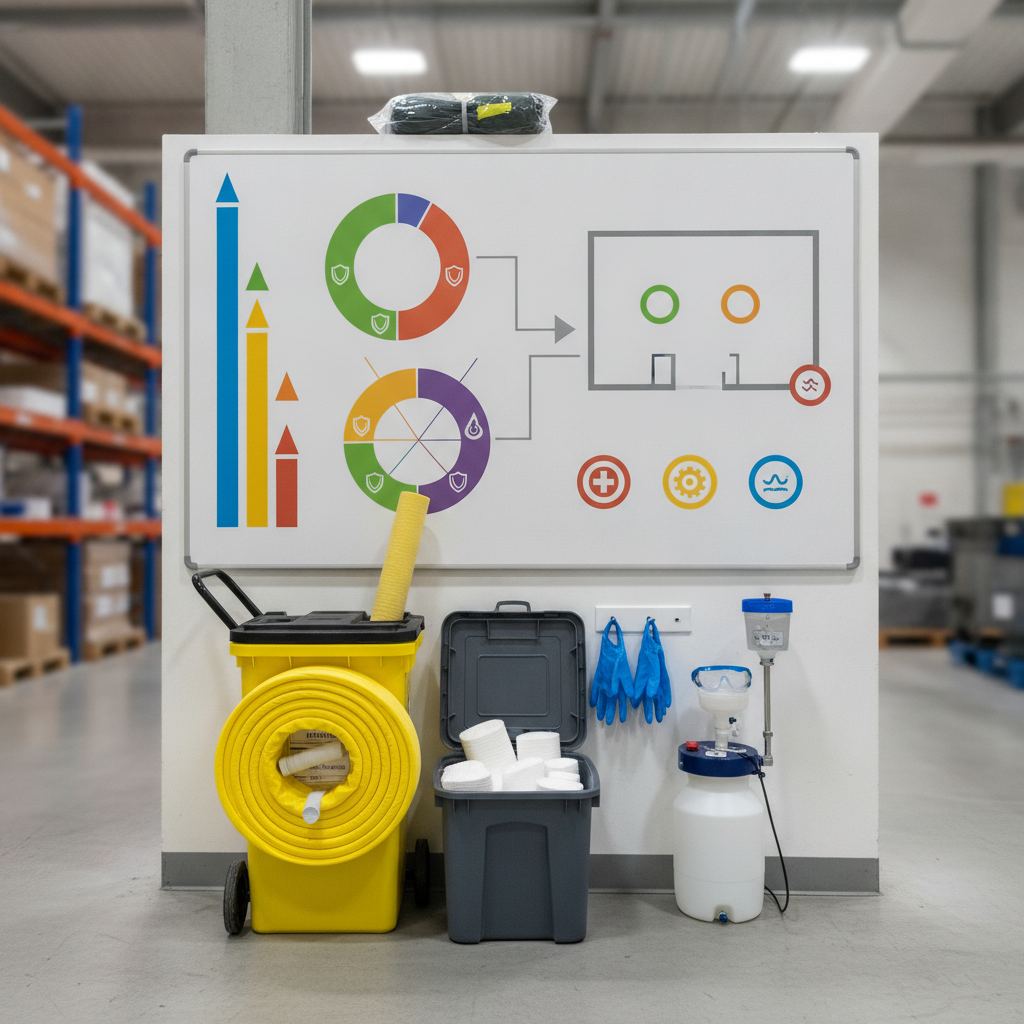
Spill response procedures must specify notification timelines, response equipment locations, cleanup methods, and regulatory reporting requirements for oil discharges at your facility. These procedures appear in your SPCC plan and guide actual response actions during spill incidents.
| Required Element | Specification | Documentation Requirement | Timeline |
|---|---|---|---|
| Immediate response actions | Contain discharge, eliminate ignition sources, notify personnel | Step-by-step procedures with responsible personnel | Within minutes of discovery |
| Emergency notification | Local fire department, facility management, regulatory agencies | Phone numbers and notification scripts | Within 1 hour for significant spills |
| Response equipment inventory | Absorbent materials, containment barriers, cleanup tools | Equipment locations and quantities | Immediate access required |
| Cleanup procedures | Contaminated material handling, disposal methods, area restoration | Contractor contacts and disposal facility information | Begin within 2 hours |
| Regulatory reporting | National Response Center, state agencies, EPA regional office | Report forms and submission methods | 24 hours for navigable water discharges |
Notification protocols define who gets called and when. Discharge reporting to National Response Center becomes required within 24 hours for any release that reaches navigable waters. State agencies may have additional reporting thresholds, check local requirements beyond federal minimums.
Response equipment specifications must match potential spill scenarios at your facility. Calculate absorbent material quantities based on largest container capacity. Include containment barriers for outdoor areas and specialized equipment for confined spaces or elevated structures.
Contractor coordination becomes critical for large spills exceeding internal response capabilities. Maintain current contacts for environmental cleanup contractors, waste disposal facilities, and specialized response services. Test contractor availability periodically, emergency response contracts signed during normal business hours may not provide 24-hour response commitment.
Cleanup procedures address contaminated soil management, groundwater monitoring, and site restoration requirements. Document disposal facility acceptance criteria for oil-contaminated materials. Some landfills restrict petroleum waste acceptance or require pre-approval for contaminated soil disposal.
Procedures must reflect actual facility conditions and response capabilities. EPA inspectors compare response procedures to available equipment, trained personnel, and facility layout. Generic procedures copied from other facilities create compliance gaps when they don’t match your specific situation.
Response kit contents require periodic inspection and replacement. Absorbent materials degrade over time, especially when stored outdoors or in temperature extremes. EPA checks response kit condition during facility inspections, expired or damaged materials indicate inadequate response preparation.
What Are the Real Penalties for SPCC Violations?

SPCC violations can result in maximum penalties of $59,973 per violation per day under current EPA civil penalty inflation adjustments. EPA calculates daily violations separately for each compliance category, meaning inspection gaps, training failures, and inadequate response procedures accumulate independent penalty assessments.
Penalty structure follows EPA’s civil enforcement policy with base penalties modified by facility size, violation history, and environmental impact. Minor violations at small facilities typically settle for $2,000-$10,000 per violation category. Major violations or repeat violations at large facilities approach maximum penalty levels.
Multiple violation categories create cumulative penalties. A facility with missing inspection records, untrained personnel, and open drain valves faces separate penalty calculations for each problem. EPA doesn’t aggregate violations into single penalty amounts, each compliance failure generates independent enforcement action.
Settlement patterns from recent enforcement show EPA focuses on actual environmental risk rather than paperwork violations. Facilities with good faith compliance efforts and no discharge history negotiate lower settlements. Facilities with negligent practices or previous violations face maximum penalty assessment.
Daily violation calculations continue until compliance restoration. Missing inspection records generate daily penalties from the date gaps began until current inspections resume. Training violations accrue daily penalties until all personnel complete required training. Open drain valves create daily penalties until valves close and remain closed.
Enforcement priority targets facilities with discharge potential near sensitive environmental areas. EPA regional offices focus SPCC inspections on facilities near navigable waters, drinking water sources, or protected habitats. Remote facilities with good containment systems face lower inspection probability but identical penalty exposure when violations occur.
Frequently Asked Questions
How often do I need to perform SPCC inspections beyond the monthly requirement?
Monthly visual inspections are the minimum federal requirement. Some facilities perform weekly checks during high-risk periods or after severe weather events. The key is consistent documentation, EPA inspectors focus more on inspection gaps than frequency above the monthly minimum.
Can I use the same spill response plan for multiple facilities?
Each facility requires site-specific spill response procedures that reflect actual equipment locations, local emergency contacts, and facility-specific discharge pathways. Generic procedures across multiple sites create compliance gaps that EPA inspectors easily identify during facility audits.
What happens if EPA finds pre-filled inspection records during an audit?
Pre-filled inspection logs represent falsification of federal records and trigger automatic enforcement action. EPA inspectors check ink consistency, handwriting patterns, and cross-reference inspection dates with facility activity logs. This violation often results in maximum penalty assessment.
Do I need different training for Tier I versus PE-certified SPCC facilities?
Training requirements remain identical regardless of plan certification type. All personnel involved in spill response must receive annual training on facility-specific procedures, equipment locations, and notification protocols. Plan certification level affects documentation requirements, not training scope.