
Drain valve SPCC compliance failures destroy every secondary containment system. An open drain valve destroys every secondary containment system, even a $50,000 concrete berm becomes useless paperwork when the valve stays open.
Key Takeaways:
- Open drain valves account for 67% of all SPCC inspection violations according to EPA enforcement data
- A single open valve can result in $37,500+ penalties under 40 CFR Part 112.3 enforcement guidelines
- Proper valve protocols require at least two qualified personnel present during any opening procedure
What Makes Open Drain Valves the #1 SPCC Violation?
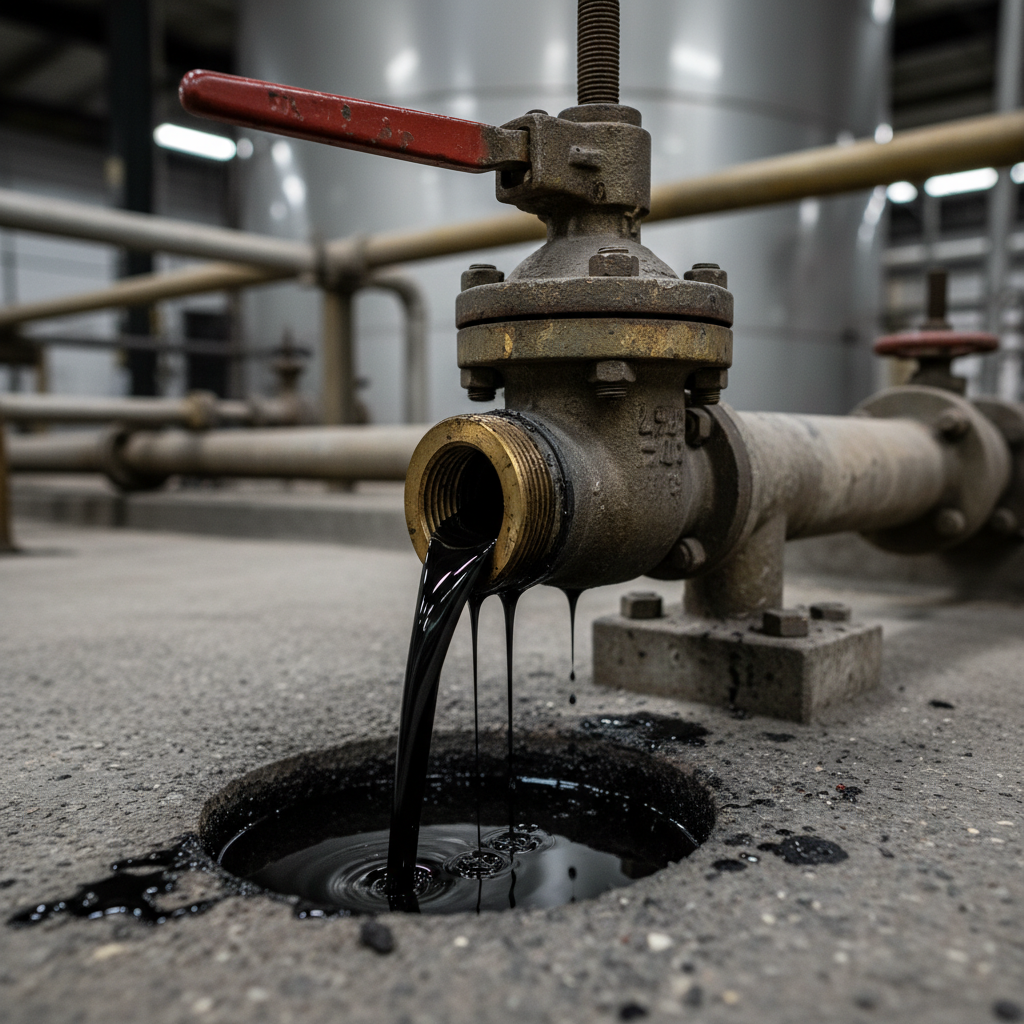
An open drain valve is a breach in secondary containment that allows oil to escape the containment area during a spill. This means your entire containment system fails its primary function regardless of its size or construction quality.
EPA regional inspection reports show open valve citations in 67% of all SPCC violations. The number stays consistent across facility types, manufacturing plants, fuel terminals, and agricultural operations all fail at the same rate. Inspectors check drain valve positions first because they know this violation appears most often.
Secondary containment under 40 CFR Part 112 requires complete isolation of oil storage areas from drainage systems. When a valve stays open, spilled oil flows directly to storm drains, soil, or navigable waters. The EPA treats this as an immediate threat to water resources.
SPCC inspection failure rates jump when facilities ignore valve positioning requirements. A properly sized spill containment pallet becomes worthless if its drain valve stays open during normal operations. The containment capacity calculation becomes irrelevant when oil can escape through the drainage system.
Inspectors document valve positions with photographs during facility walkthroughs. They know maintenance staff often leave valves open after routine cleaning or stormwater removal operations.
Why Must Containment Drain Valves Stay Normally Closed?

Normally-closed valve requirement ensures secondary containment maintains its integrity between spill events. The valve position creates a physical barrier that prevents oil from escaping the containment area during actual releases.
40 CFR Part 112.7(c) mandates normally-closed valve positioning for all drainage systems connected to secondary containment areas. The regulation prohibits any permanent opening that allows oil to bypass containment barriers. This requirement applies to concrete berms, spill containment pallets, and prefabricated containment systems.
Open valves create immediate compliance failures because they compromise containment effectiveness before spills occur. During actual spill events, oil flows through open drainage faster than response teams can react. A 55-gallon drum release becomes a soil contamination incident when the containment drain stays open.
Stormwater removal creates the most valve positioning violations. Facilities open valves to drain rainwater but forget to close them afterward. Weather events become compliance risks when drainage valves stay in the wrong position.
Secondary containment sizing calculations assume closed drainage systems. The 110% containment rule becomes meaningless when valves allow continuous drainage during spill events.
What Documentation Do SPCC Drain Valve Procedures Require?

| Documentation Type | Retention Period | 40 CFR Part 112 Requirement |
|---|---|---|
| Valve operation logs | 3 years minimum | Personnel signatures with timestamps |
| Personnel training records | 3 years minimum | Qualified individual certification |
| Inspection checklists | 3 years minimum | Monthly valve position verification |
| Stormwater release forms | 3 years minimum | Weather event documentation |
| Emergency contact protocols | Plan amendment cycle | 24-hour response capability |
Drain valve documentation requirements under 40 CFR Part 112 include personnel training records that prove staff understand valve operation procedures. EPA requires 3-year retention of all valve operation logs per 40 CFR Part 112.7(e). Every valve opening must include personnel signatures, timestamps, and justification for the operation.
Inspection record formats that satisfy EPA audits document valve positions during monthly facility inspections. The records must show who checked each valve, when they verified the position, and any corrective actions taken. Stormwater release form requirements apply when facilities open valves for weather-related drainage.
Personnel training records must demonstrate that valve operators understand normally-closed positioning requirements and emergency response procedures. The training documentation proves facilities have qualified individuals managing containment systems. EPA auditors request these records during compliance inspections.
Violation history becomes part of the documentation requirements when facilities have prior valve positioning citations. Repeat violations trigger enhanced monitoring and additional paperwork requirements under EPA enforcement guidelines.
Who Must Be Present When Opening Secondary Containment Drain Valves?
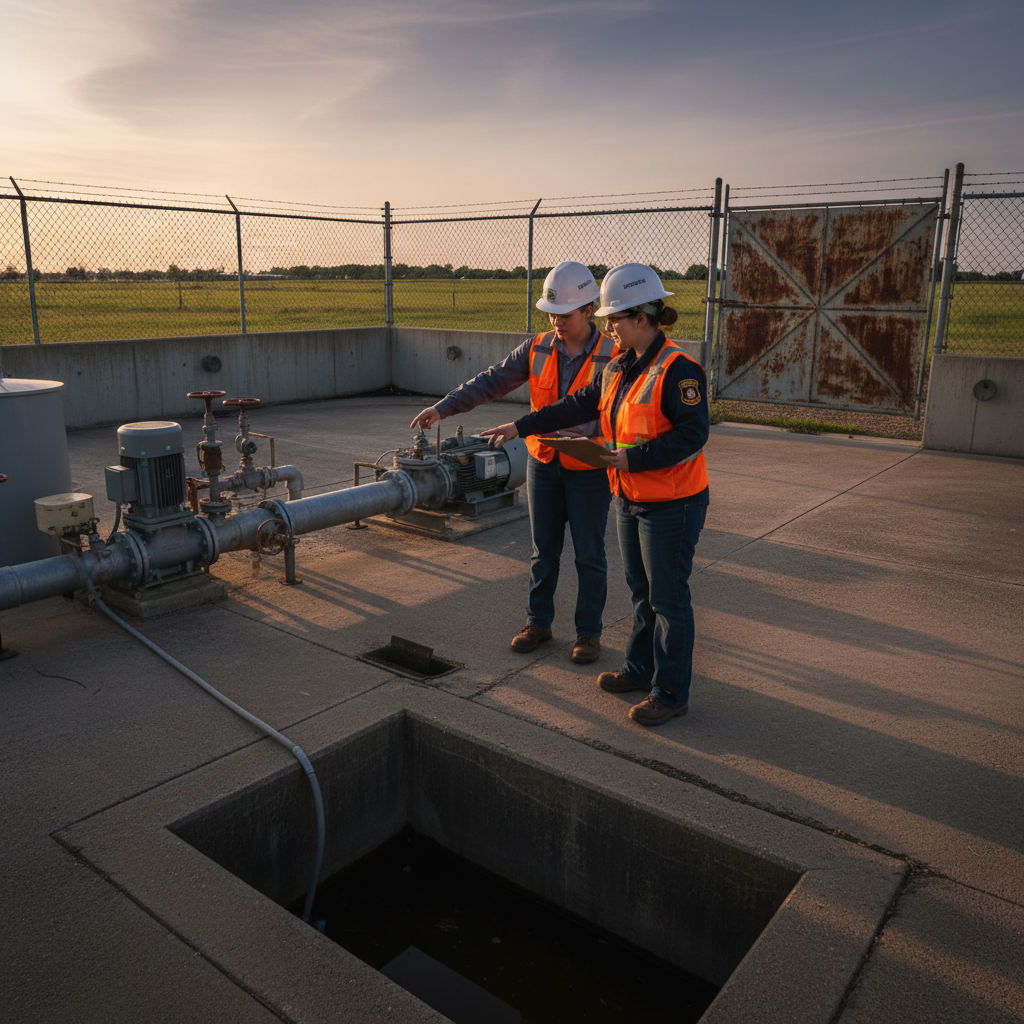
Primary operator with SPCC training certification must supervise all valve operations and maintain visual contact with the drainage area throughout the procedure.
Secondary qualified individual must remain present to assist with emergency response if spilled oil appears in the drainage system during valve operations.
Facility supervisor or designee must approve valve opening operations in writing before any drainage procedures begin.
Emergency response coordinator must be immediately available by radio or phone during all planned valve opening operations.
Environmental compliance officer must review and sign valve operation logs within 24 hours of any drainage activities.
SPCC regulations mandate minimum two qualified personnel present during any planned valve opening procedure. Qualified personnel must understand containment system operations and emergency response protocols. The two-person rule prevents single-operator errors that create compliance violations.
Bermed area drain valve protocol requires supervisor approval before opening any valve connected to secondary containment. The approval process includes weather conditions, oil inventory levels, and emergency response readiness. Personnel qualifications must include SPCC training and facility-specific containment system knowledge.
Emergency contact protocols ensure immediate response capability if valve operations create spill conditions. Response coordinators must be available within 15 minutes of any valve opening procedure.
How Do You Fix Open Drain Valve SPCC Violations?
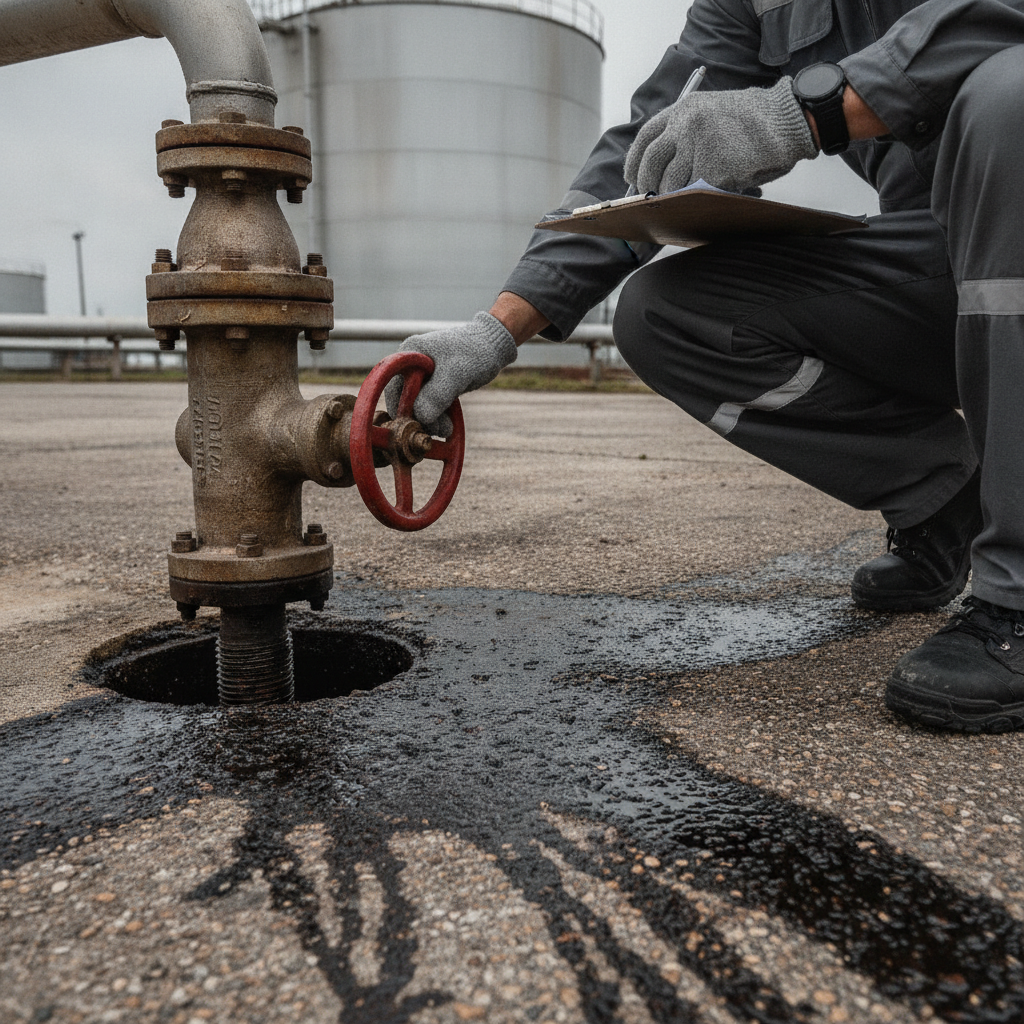
Close the valve immediately and document the exact time, personnel present, and valve location in your SPCC violation log with photographs showing final position.
Inspect the surrounding area for any oil residue or soil staining that indicates past releases through the open drainage system, collecting soil samples if contamination appears.
Review personnel training records to identify who had access to the valve and implement additional training for all staff who perform maintenance or cleaning operations near containment areas.
Update valve operation procedures to include mandatory two-person verification and supervisory approval for any future valve operations, with written checklists that prevent positioning errors.
Install valve position indicators such as locks, tags, or visual markers that make normally-closed positioning obvious to all facility personnel and visiting contractors.
Schedule enhanced inspections for the first 90 days after violation correction to ensure valve positioning compliance becomes routine practice.
Violation correction requires immediate valve closure and documentation updates per EPA enforcement guidelines. EPA allows 30-day correction periods for valve position violations under expedited compliance procedures. Container-specific containment sizing reviews ensure drainage modifications don’t compromise containment capacity.
Secondary containment system integrity depends on proper valve management across all storage areas. Drum and tote containment solutions require the same valve positioning protocols as larger storage systems. Environmental consultants become necessary when violations indicate systemic training or procedure failures.
Preventing recurring violations requires procedural changes that make valve positioning mistakes impossible. Physical locks, warning tags, and position indicators help maintenance staff avoid compliance errors during routine operations.
Frequently Asked Questions
Can automatic drain valves satisfy SPCC normally-closed requirements?
Automatic drain valves can meet SPCC requirements only if they include fail-closed mechanisms and manual override capabilities. The valve must default to closed position during power failures or system malfunctions per 40 CFR Part 112.7(c).
What happens if EPA finds an open drain valve during inspection?
EPA issues immediate violation notices with penalty assessments ranging from $15,000 to $37,500 for first-time open valve findings. Facilities must demonstrate immediate correction and provide detailed prevention protocols within 30 days.
Do temporary drain valve openings need EPA notification?
Temporary valve openings for maintenance or stormwater removal do not require EPA notification, but must follow documented procedures with qualified personnel present. All operations must be logged with timestamps and personnel signatures per SPCC requirements.