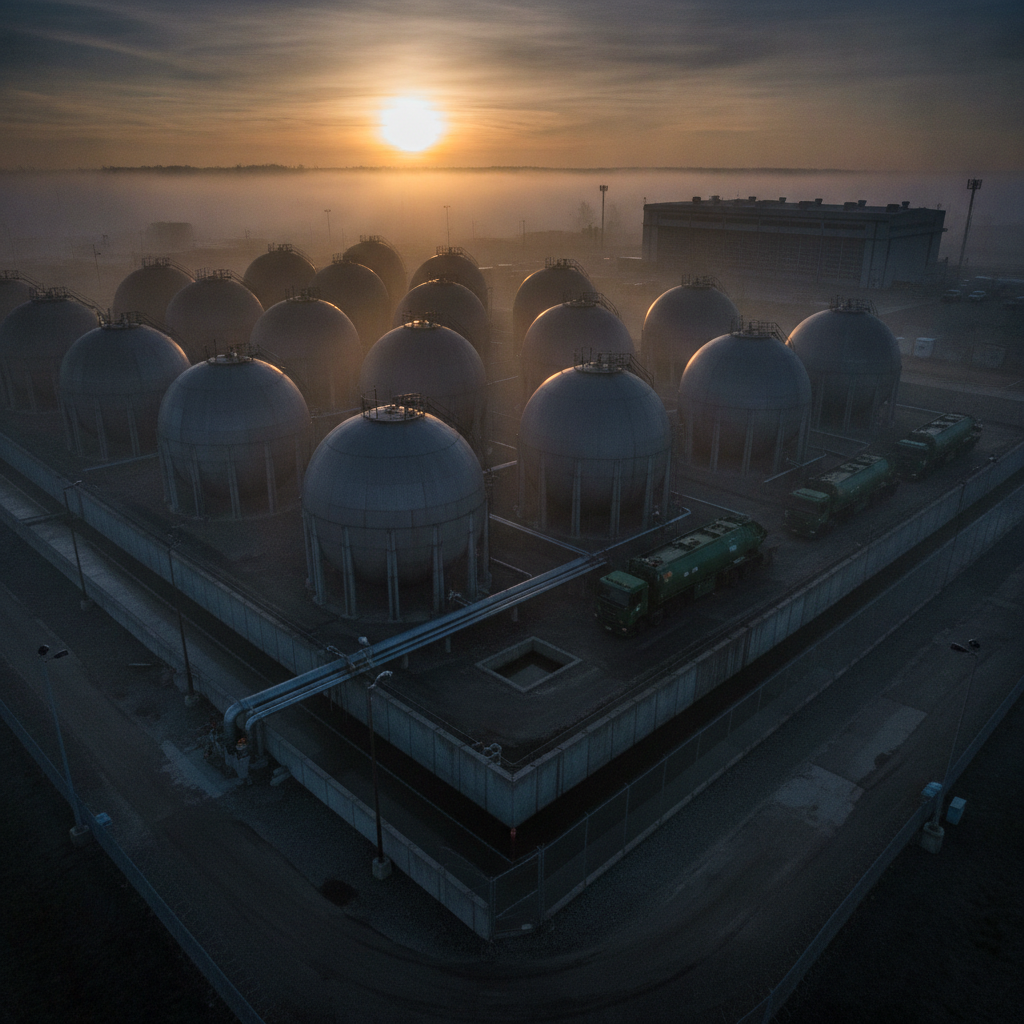
SPCC fleet maintenance yard operators hit compliance requirements faster than they expect. Multiple 500-gallon diesel tanks add up quickly, and the EPA doesn’t care if your fuel is mobile. Transportation depots face the same threshold calculations as fixed facilities.
Key Takeaways:
- Fleet facilities trigger SPCC requirements at 1,320 gallons total, two 1,000-gallon diesel tanks push you over the line
- 40 CFR Part 112 counts all above-ground petroleum storage including mobile fuel trucks parked overnight
- Transportation depots need secondary containment for bulk diesel storage and portable spill response equipment for mobile operations
When Do Fleet Operations Trigger SPCC Requirements?
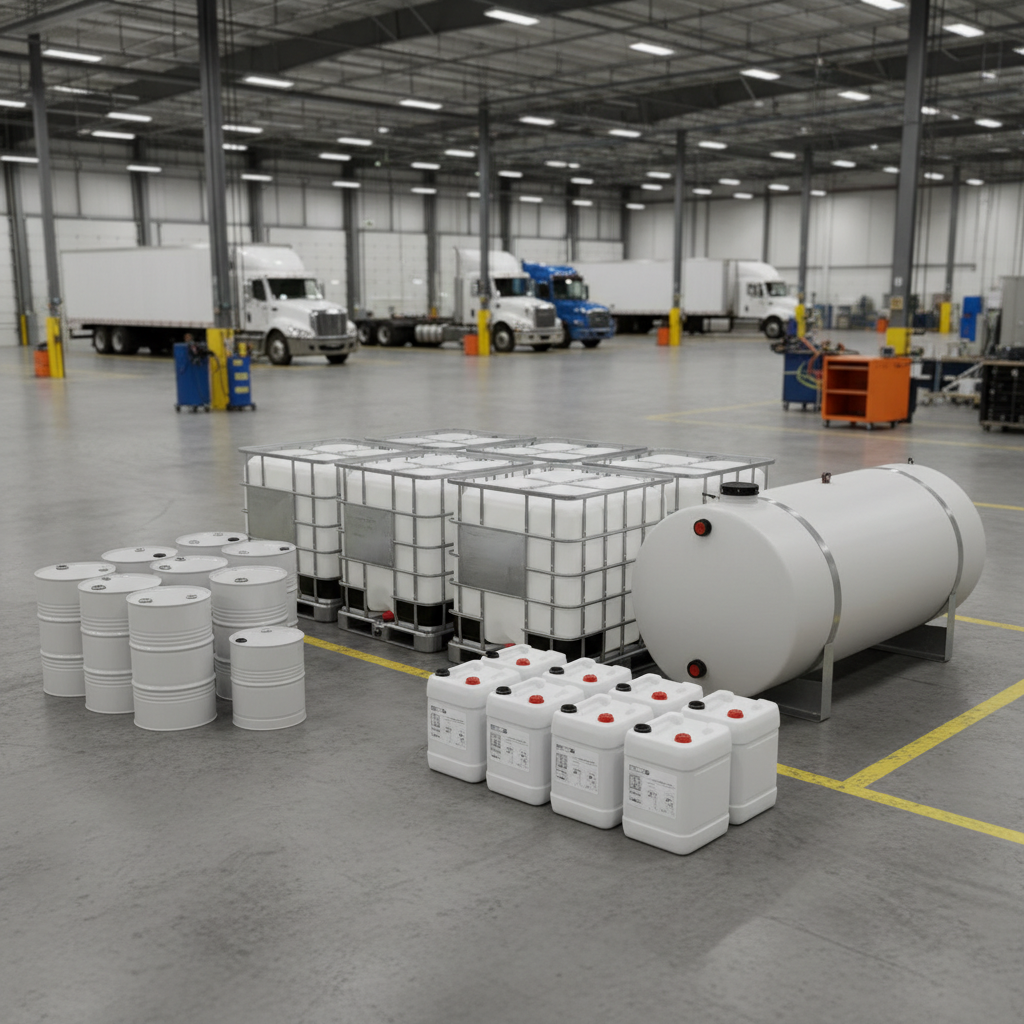
Fleet maintenance yards trigger SPCC requirements when total petroleum storage reaches 1,320 gallons. This means your facility needs an SPCC plan if all above-ground oil containers combined exceed this threshold.
The calculation includes every petroleum product stored on-site. Two 1,000-gallon diesel tanks create a 2,000-gallon total, pushing you well over the 1,320-gallon threshold. Add hydraulic fluid storage, waste oil collection, and motor oil inventory, and smaller fleets cross the line quickly.
Mobile equipment counts if stored on-site regularly. Fuel trucks parked overnight, mobile maintenance units, and portable generators all add to your facility total under 40 CFR Part 112. The EPA considers equipment stored more than 24 hours as facility storage, not mobile operation.
Most fleet operators discover their SPCC obligation during expansion. You start with one 1,000-gallon tank, add a second for redundancy, then realize you need a compliance plan. The SPCC requirements by facility type article covers this pattern across different industries.
How Do Transportation Depots Calculate SPCC Storage Thresholds?
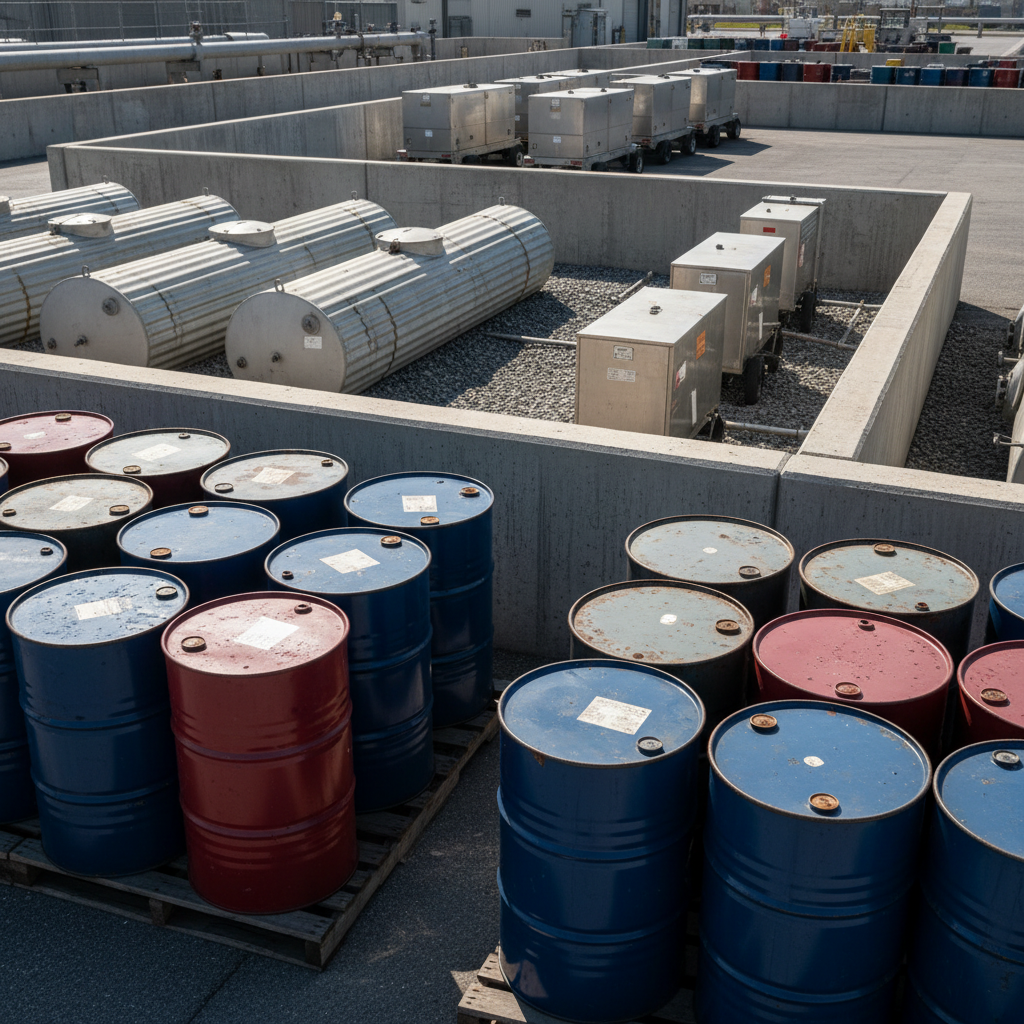
Transportation depots calculate storage thresholds by adding every petroleum container on the property. Each tank, drum, and mobile unit contributes to your facility total.
| Storage Type | Typical Capacity | Counts Toward Threshold |
|---|---|---|
| Bulk diesel tank | 500-5,000 gallons | Yes, full capacity |
| Mobile fuel truck | 1,000-3,000 gallons | Yes, if on-site >24 hours |
| Hydraulic fluid reservoir | 55-500 gallons | Yes, includes equipment fluids |
| Waste oil collection | 275-1,000 gallons | Yes, petroleum waste counts |
| Motor oil storage | 55-275 gallons | Yes, includes retail inventory |
The calculation includes containers you might not expect. Hydraulic fluid in lift equipment, transmission fluid in fleet vehicles, and waste oil awaiting pickup all count toward your threshold. Used oil is still petroleum under SPCC rules.
Pattern from fleet audits shows 60% exceed the threshold through tank aggregation rather than single large containers. Three 500-gallon tanks create 1,500 gallons of regulated storage. Add mobile equipment and maintenance fluids, and you hit 2,000+ gallons fast.
Transportation depots often store fuel in multiple locations across the property. Loading bays, maintenance shops, and administrative areas each contribute containers. The SPCC plan requirements must account for every storage location, not just the main fuel depot.
What Fleet Storage Containers Count Toward SPCC Thresholds?
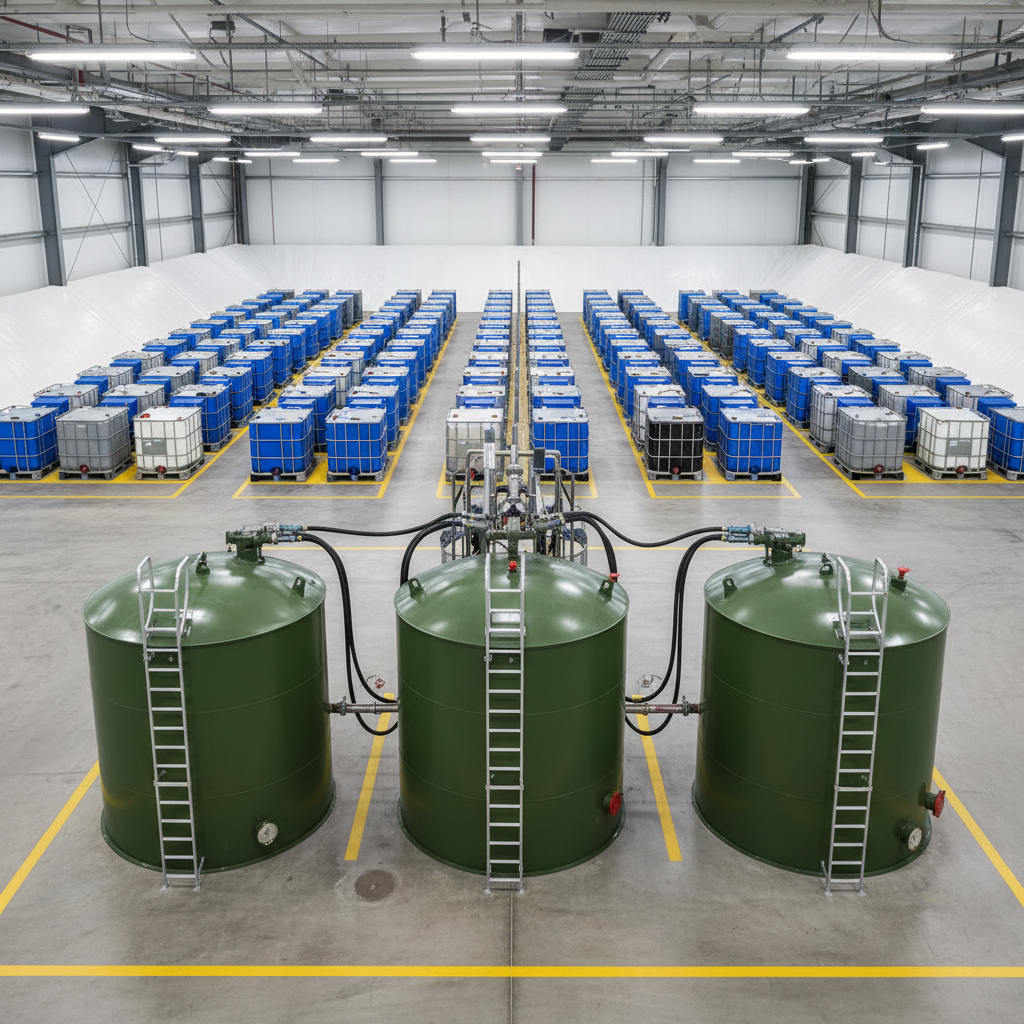
Fleet storage containers include multiple petroleum product types under SPCC regulations. Every above-ground container over 55 gallons counts toward your facility threshold.
Bulk diesel tanks store fuel for fleet operations and count at full capacity regardless of current fill level. Fixed tanks and portable units both contribute to your total.
Hydraulic fluid reservoirs in vehicle lifts, loading docks, and maintenance equipment add to facility storage. Equipment-mounted tanks count if the equipment stays on-site permanently.
Motor oil storage includes new oil inventory, bulk dispensing systems, and retail storage areas. Drums, totes, and tank systems all contribute to your SPCC threshold calculation.
Mobile fuel trucks over 55 gallons count if stored on-site more than 24 hours. Overnight parking creates facility storage under EPA interpretation of 40 CFR Part 112.
Waste oil collection tanks hold used fluids awaiting disposal and count toward your threshold. The EPA considers waste petroleum as regulated storage until removed from the facility.
Grease and lubricant storage in maintenance bays includes gear oil, transmission fluid, and specialty lubricants. Small containers aggregate quickly in active fleet operations.
Exemptions include containers under 55 gallons, completely enclosed systems, and mobile equipment that leaves daily. Underground tanks follow separate regulations and don’t count toward SPCC thresholds.
Secondary Containment Requirements for Fleet Diesel Storage
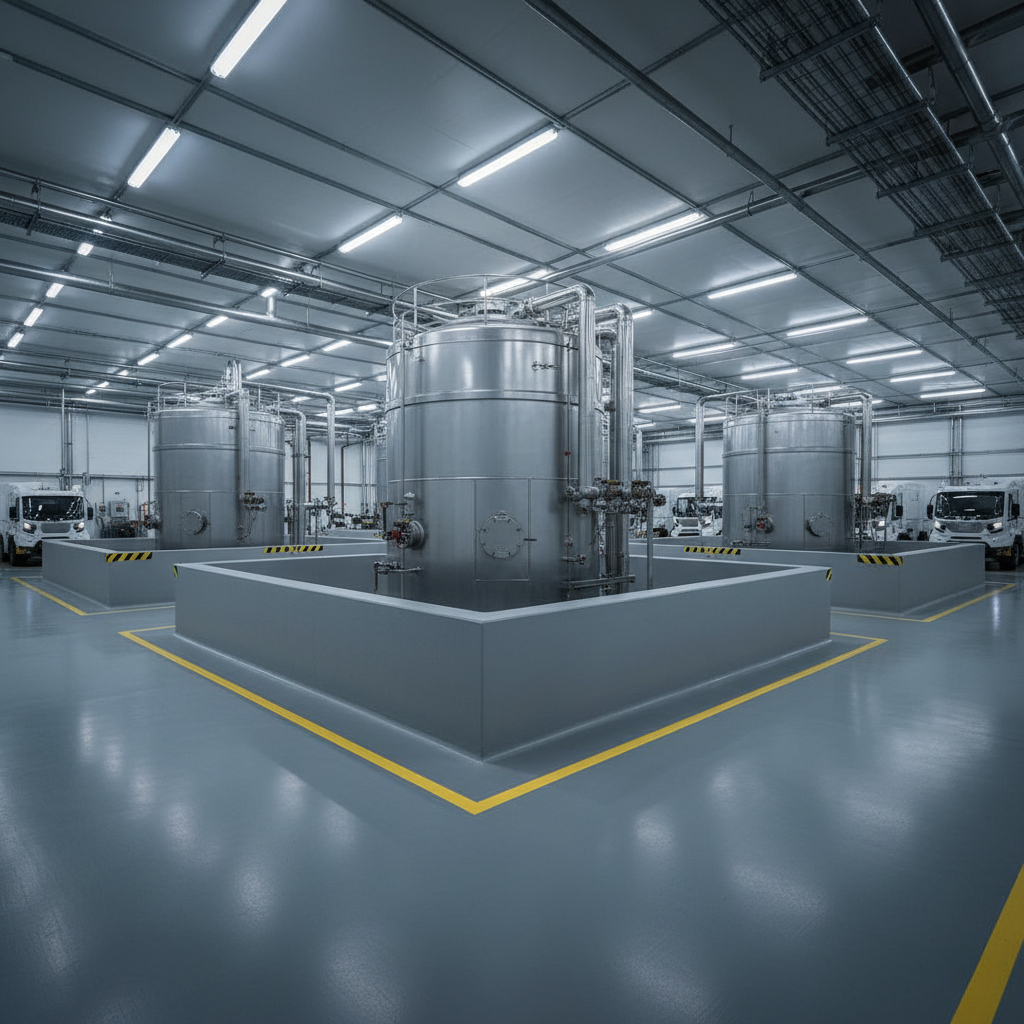
Secondary containment prevents diesel spills at fleet facilities by creating a backup barrier around storage areas. You must size containment to hold 110% of your largest tank volume plus expected precipitation.
Calculate containment volume by measuring your largest tank capacity and multiplying by 1.1. A 2,000-gallon diesel tank needs 2,200 gallons of containment capacity minimum.
Install drainage controls to prevent contaminated water from leaving the containment area. Valves must stay closed except during inspections, and you need spill response procedures for overflow situations.
Position portable berms around mobile fueling operations to catch spills during fuel transfer. Berms must contain fuel flow and prevent soil or storm drain contamination.
Maintain containment integrity through monthly inspections for cracks, valve position, and debris removal. Document all inspections and repairs in your facility records.
Plan overflow response for containment systems that reach capacity during storms or spill events. Your SPCC plan template must include specific response procedures and contact information.
Secondary containment must hold 110% of largest tank volume plus precipitation from a 25-year, 24-hour storm event. This typically adds 2-6 inches of additional containment depth depending on your location.
Fleet maintenance containment products include permanent berms, portable barriers, and drain protection systems. Choose containment based on your fuel transfer patterns and site constraints.
Vertical Compliance Scenarios for Fleet SPCC Plans
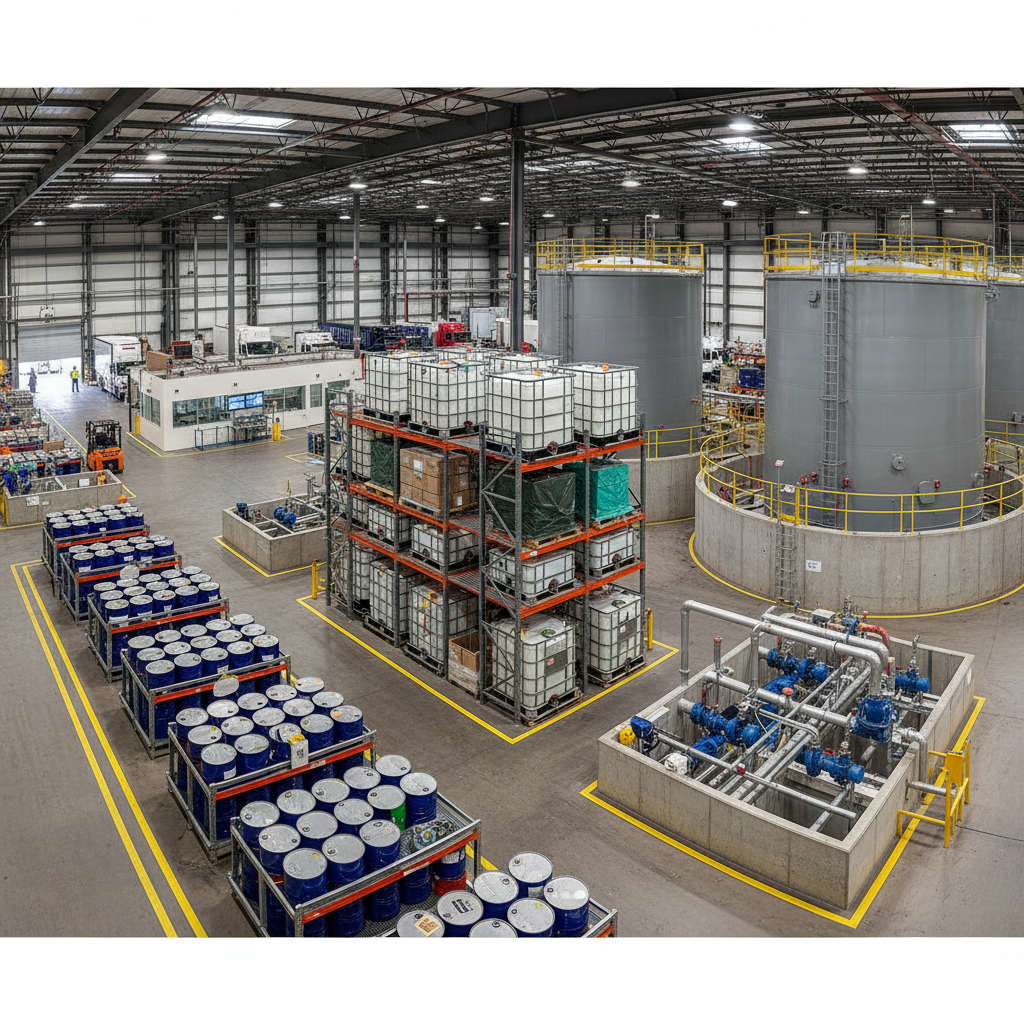
Vertical compliance scenarios determine SPCC plan certification requirements based on facility size, complexity, and environmental risk factors. Fleet operations fall into specific categories that dictate self-certification versus professional engineering review.
| Facility Type | Storage Capacity | Certification Required |
|---|---|---|
| Small fleet depot | Under 10,000 gallons | Tier I self-certification |
| Medium transport hub | 10,000-20,000 gallons | PE certification required |
| Large distribution center | Over 20,000 gallons | PE certification + complex analysis |
| Waterfront facility | Any capacity near water | PE certification mandatory |
Industry-specific SPCC applicability varies by operational complexity. Municipal fleet yards with basic fuel storage qualify for Tier I self-certification. Commercial trucking operations with multiple fuel types and mobile equipment typically need professional engineering review.
Facility complexity factors include proximity to navigable waters, multiple storage locations, and specialized fuel handling equipment. A simple two-tank operation differs from a multi-bay fueling facility with waste oil processing and equipment maintenance areas.
Most fleet facilities under 10,000 gallons total storage qualify for self-certification unless located near waterways. The SPCC data center generator requirements article explains similar threshold decisions for other facility types.
Frequently Asked Questions
Do overnight fuel trucks parked at our yard count toward SPCC thresholds?
Yes, mobile fuel equipment stored on-site for more than 24 hours counts toward your 1,320-gallon SPCC threshold. The EPA considers regularly parked mobile equipment as facility storage under 40 CFR Part 112. Document vehicle schedules to track which trucks qualify as facility storage versus mobile operations.
Can fleet maintenance shops use Tier I self-certification for their SPCC plan?
Fleet facilities qualify for Tier I self-certification if total storage stays under 10,000 gallons and no single tank exceeds 5,000 gallons. Most trucking companies and municipal fleets fall into this category. Facilities near navigable waters require PE certification regardless of size.
What portable containment equipment do mobile fuel operations need?
Mobile fueling operations need portable spill containment berms, absorbent materials, and overflow prevention devices when filling vehicles. The containment must prevent spills from reaching soil or storm drains during fuel transfer. Equipment must be immediately available during all fueling operations, and staff need training on deployment procedures.