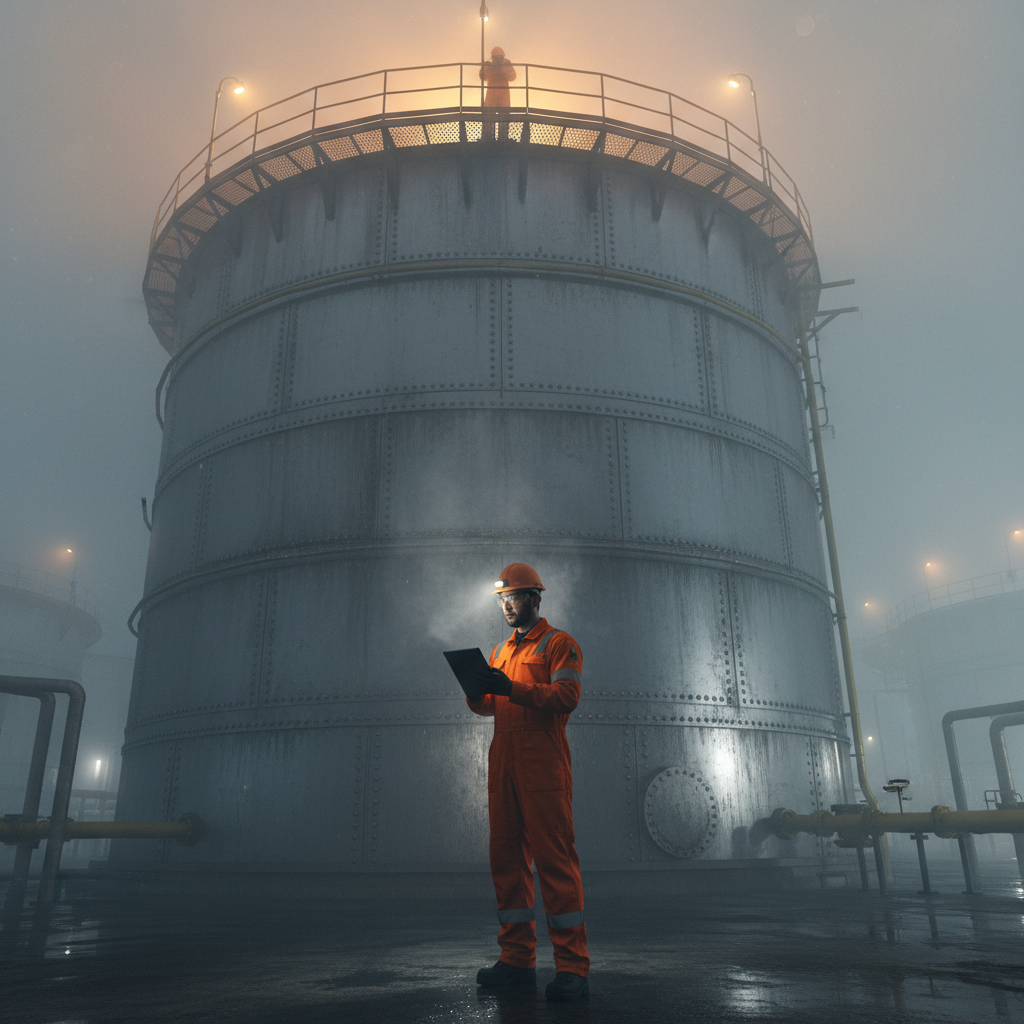
Aboveground storage tank maintenance schedules prevent costly violations when facility managers waste thousands on reactive repairs. Structured preventive programs cost 40% less than emergency fixes.
Key Takeaways:
- Daily visual inspections catch 85% of tank problems before they become regulatory violations or expensive repairs
- Monthly leak detection testing reduces catastrophic spill risk by 72% and ensures continuous regulatory compliance
- Annual cathodic protection testing prevents 90% of corrosion-related tank failures that cost $50,000+ to remediate
What Daily Tasks Must Your AST Maintenance Schedule Include?

Daily visual inspection protocols prevent regulatory violations when performed correctly. 40 CFR Part 112 requires facility operators to conduct routine visual inspections, but many facilities skip critical details that trigger enforcement actions.
Daily inspections take 15-20 minutes per tank when performed systematically. Here’s what your daily checklist must include:
Check tank shell and roof for visible corrosion, dents, or coating damage. Document any changes from the previous day’s condition using standardized forms.
Inspect all piping connections, flanges, and valves for leaks or weeping. Look for oil stains, wet spots, or drip marks around connection points.
Verify secondary containment integrity by checking for cracks, gaps, or standing water. Walk the entire perimeter of containment berms or concrete pads.
Record tank gauge readings and compare to previous day’s levels. Unexplained level drops indicate potential leaks requiring immediate investigation.
Document weather conditions and any unusual observations. Rain, temperature extremes, or facility activities can affect tank performance.
Confirm drain valves in secondary containment remain closed and locked. Open drain valves are the most common SPCC inspection finding.
Daily inspection documentation becomes critical evidence during EPA inspections. Missing or incomplete records result in violations even when tanks operate properly.
How Often Do You Need Monthly Leak Detection Testing?
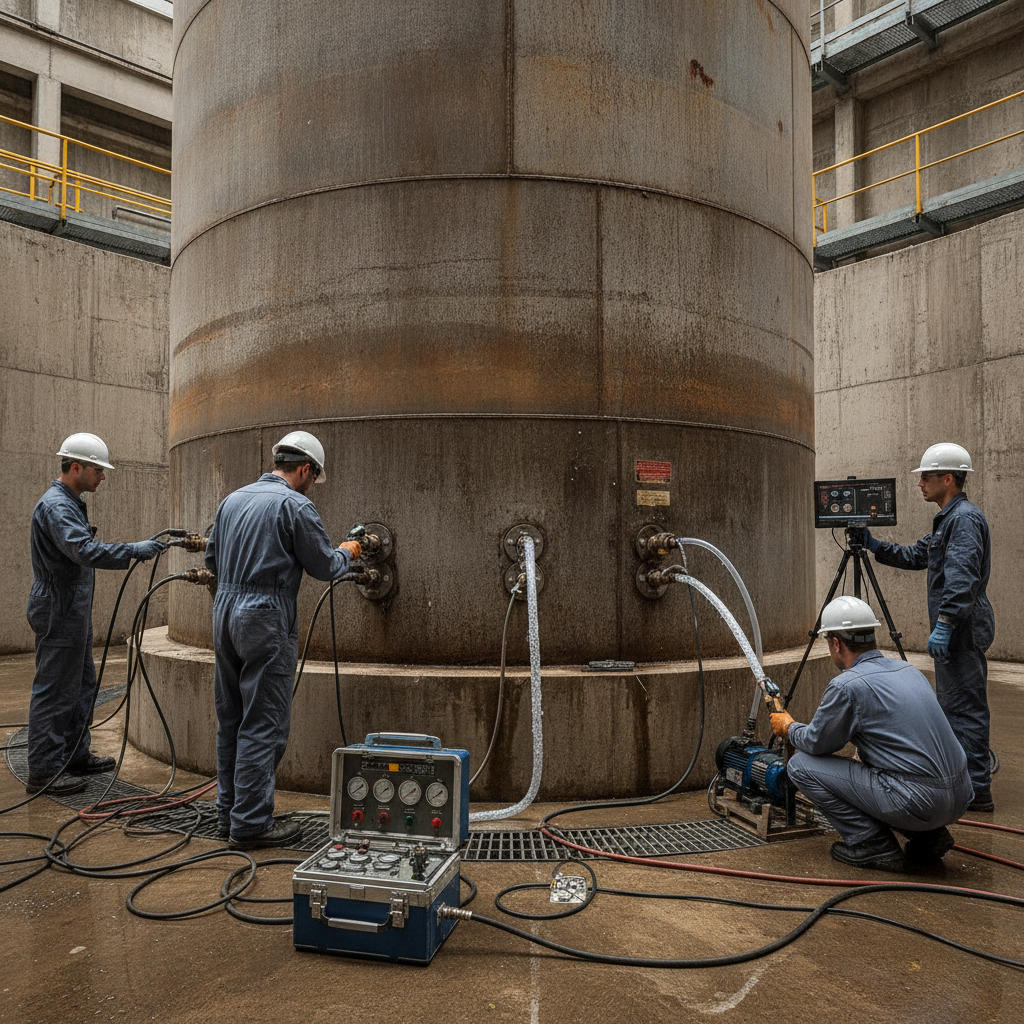
Monthly leak detection testing procedures ensure continuous compliance monitoring under federal AST regulatory requirements. Secondary containment systems require regular testing to verify they can contain spills as designed.
Monthly testing must detect leaks as small as 0.2 gallons per hour per EPA standards. Follow these step-by-step procedures:
Calibrate leak detection equipment according to manufacturer specifications. Use only EPA-approved testing methods and document calibration dates.
Conduct hydrostatic testing of secondary containment systems. Fill containment areas to design capacity and measure for leaks over 24 hours.
Test all piping systems using pressure decay or line tightness methods. Underground piping requires statistical inventory reconciliation or continuous monitoring.
Document all test results with specific measurements and pass/fail determinations. Record ambient temperature, test duration, and equipment serial numbers.
Investigate any anomalies immediately and document corrective actions taken. Failed tests require reporting to regulatory authorities within specified timeframes.
Verify backup containment systems function properly during primary system testing. Test redundant systems separately to ensure complete coverage.
Facility staff can perform monthly testing if trained on proper procedures. However, complex piping systems or underground components often require certified contractors with specialized equipment.
Annual AST Inspection Requirements by Tank Type
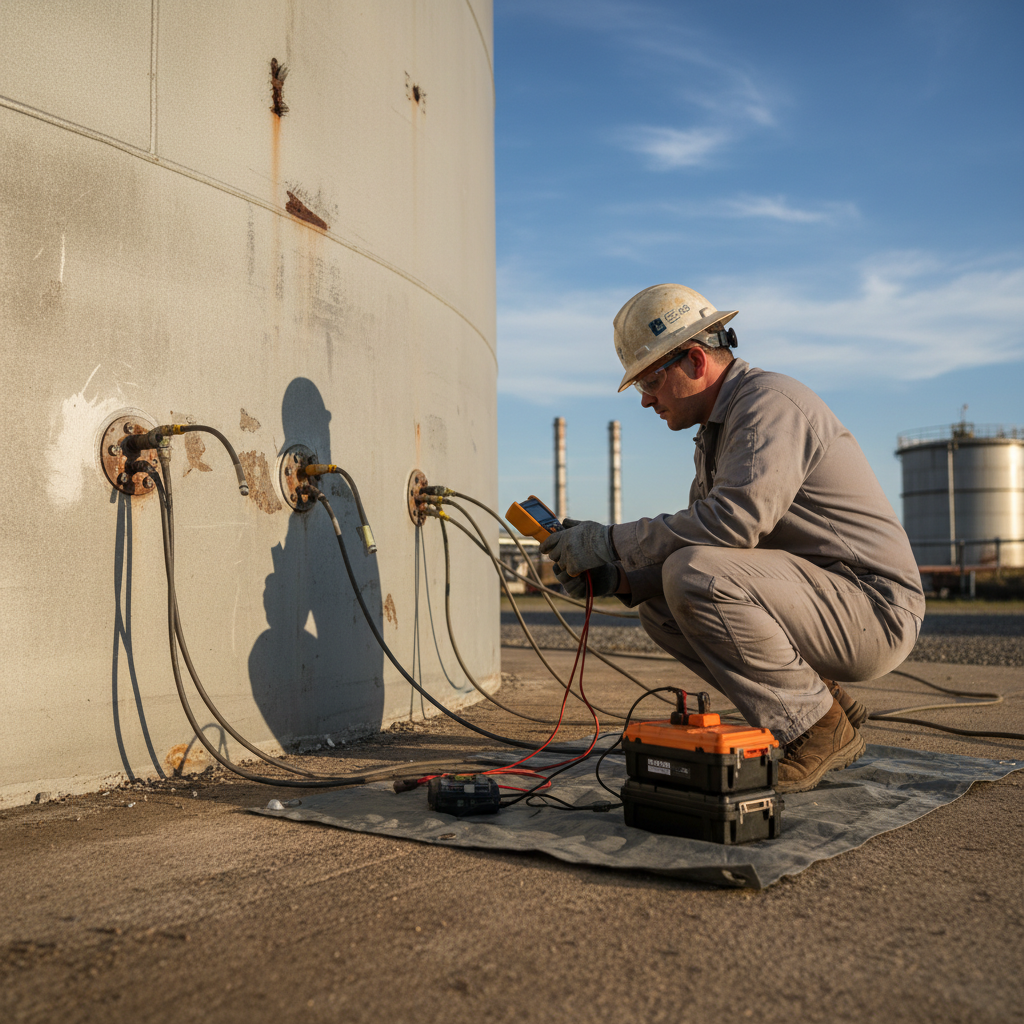
Annual cathodic protection testing prevents corrosion-related tank failure when performed according to federal AST regulatory framework standards. Different tank types require specific inspection frequencies based on construction materials and environmental exposure.
| Tank Type | Inspection Frequency | Required Tests | Typical Cost |
|---|---|---|---|
| Steel ASTs with cathodic protection | Annual | Cathodic protection potential readings, rectifier checks | $500-$1,200 |
| Fiberglass ASTs | Every 3 years | Visual inspection, resin condition assessment | $800-$2,000 |
| Double-wall steel tanks | Annual | Interstitial monitoring, external coating inspection | $600-$1,500 |
| Shop-fabricated tanks | Annual | Structural integrity, foundation settlement | $400-$1,000 |
Cathodic protection systems require annual testing with readings between -850mV and -1,100mV to prevent corrosion. Readings outside this range indicate system failure requiring immediate repair.
API 653 standards govern tank inspection procedures for petroleum storage facilities. Qualified inspectors must hold current API certification and understand both federal and state requirements.
Tank foundation inspection identifies settlement or structural problems before they cause shell distortion. Document any changes in tank elevation or support pad condition.
External coating inspection documents areas where protective coatings have failed. Bare steel exposure accelerates corrosion and reduces tank lifespan significantly.
What Biennial Interior Tank Inspections Actually Cost
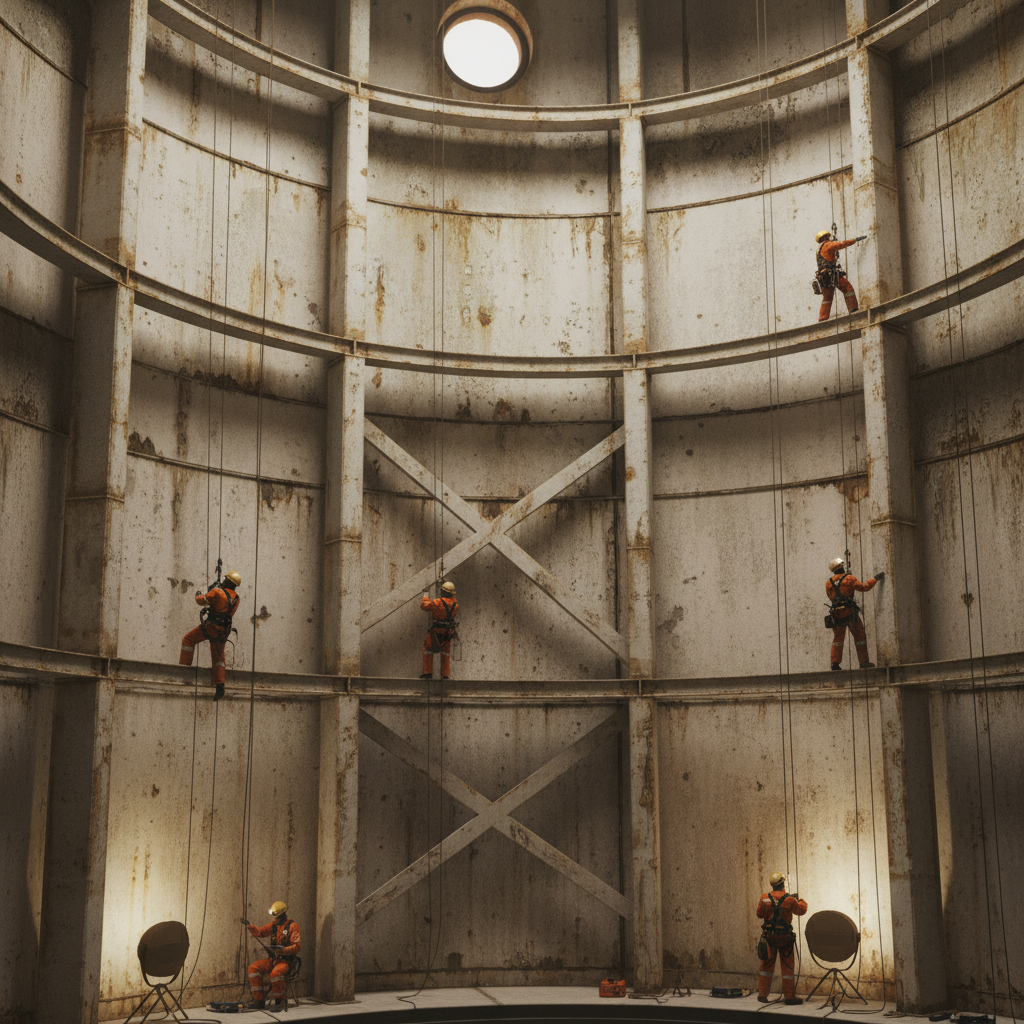
Biennial interior tank inspection requirements identify structural integrity problems before catastrophic failure occurs. This comprehensive assessment goes beyond external visual checks to evaluate internal tank condition.
Biennial interior inspection is a thorough internal assessment of tank walls, roof structure, and bottom plates performed every two years. This means qualified inspectors enter the tank to examine areas invisible during external inspections.
Interior inspections cost $2,000-$8,000 depending on tank size but prevent $50,000+ failure costs. Larger tanks require more time, specialized equipment, and additional safety precautions during confined space entry.
API 653 standards require specific documentation during interior inspections. Inspectors measure remaining wall thickness, identify corrosion patterns, and assess structural integrity using ultrasonic testing equipment.
State AST program requirements often exceed federal minimums for inspection frequency. California, Texas, and New York mandate more frequent interior inspections for certain tank types or sizes.
Planning considerations include tank cleaning, vapor removal, and production downtime. Most facilities schedule interior inspections during planned maintenance shutdowns to minimize operational impact.
How Do You Budget for AST Preventive Maintenance Programs?

Preventive maintenance cost budgeting guidelines reduce total facility maintenance expenses when implemented systematically. Most facilities underestimate annual maintenance costs and face budget overruns during reactive repairs.
| Maintenance Category | Annual Budget Range | Frequency | ROI Factor |
|---|---|---|---|
| Daily visual inspections | $2,000-$4,000 per tank | 365 days/year | 4:1 cost savings |
| Monthly leak testing | $1,500-$3,000 per tank | 12 times/year | 6:1 cost savings |
| Annual professional inspections | $3,000-$8,000 per tank | Once/year | 8:1 cost savings |
| Biennial interior inspections | $4,000-$12,000 per tank | Every 2 years | 12:1 cost savings |
Preventive maintenance programs cost 40% less annually than reactive maintenance strategies. Emergency repairs include premium contractor rates, expedited parts shipping, and regulatory penalties that planned maintenance avoids.
ROI calculations show preventive maintenance pays for itself within 18 months. Factor in avoided environmental cleanup costs, business interruption insurance, and regulatory penalties for accurate cost comparison.
Common budget mistakes include underestimating inspection costs, ignoring regulatory compliance expenses, and failing to account for tank age. Older tanks require more frequent maintenance and higher annual budgets.
AST preventive maintenance program success depends on consistent funding and management commitment. Deferred maintenance compounds problems and increases total lifecycle costs significantly.
What Documentation Standards Apply to AST Maintenance Records?
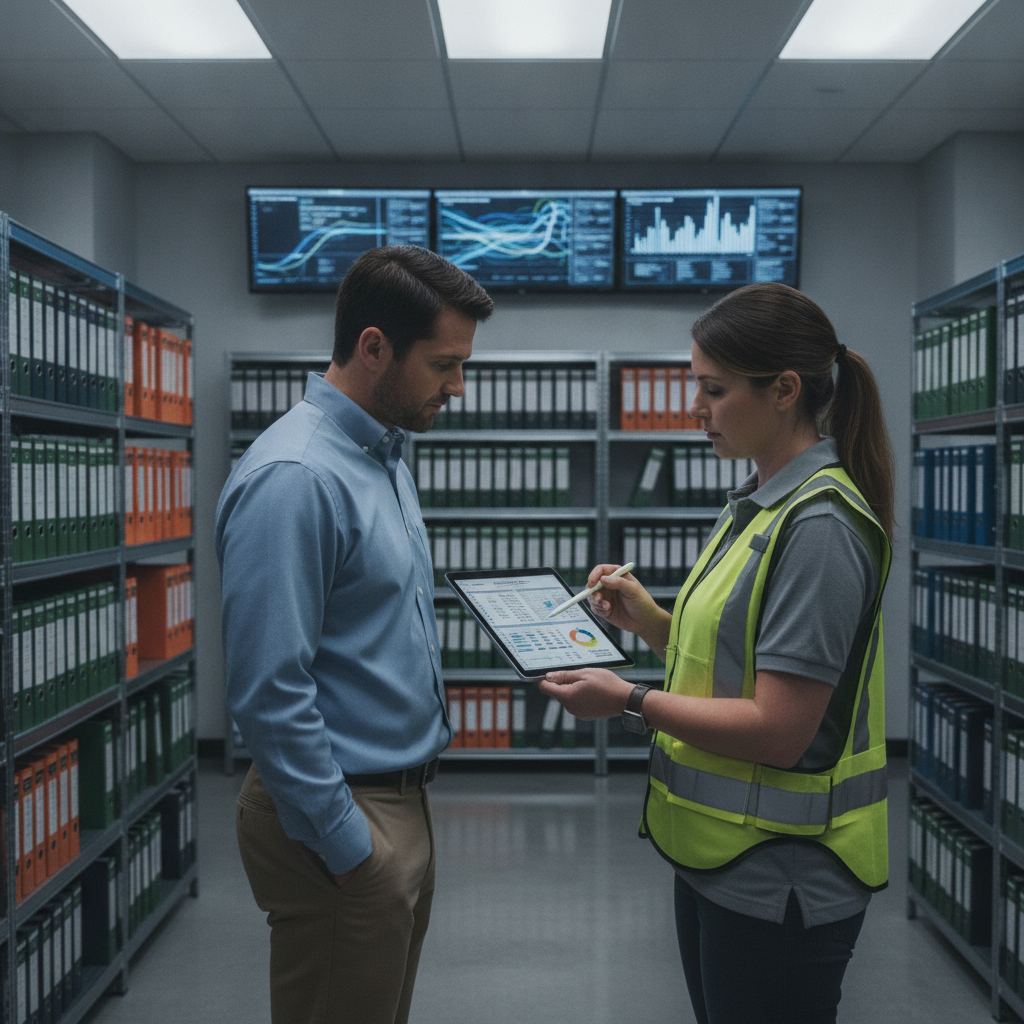
Maintenance record documentation standards ensure regulatory compliance verification during EPA inspections. 40 CFR Part 112 specifies exact documentation requirements that facilities must follow without exception.
Maintenance records must be retained for 3 years minimum per 40 CFR Part 112.7. Digital storage systems are acceptable provided they include backup procedures and audit trail capabilities.
Required documentation formats include inspection checklists, test results, corrective action reports, and training records. Each document must include date, inspector name, specific findings, and follow-up actions taken.
Regulatory compliance verification requires complete documentation chains showing preventive maintenance activities, problem identification, and corrective actions. Missing documentation results in violations regardless of actual tank condition.
Common documentation gaps include incomplete daily inspection logs, missing calibration records for testing equipment, and inadequate corrective action documentation. These gaps trigger enforcement actions during facility inspections.
Audit preparation involves organizing three years of maintenance records, verifying inspector qualifications, and ensuring all required signatures are present. Digital systems must demonstrate data integrity and backup procedures.
Frequently Asked Questions
How long should each daily AST inspection take?
Daily visual inspections should take 15-20 minutes per tank when performed systematically. This includes checking for leaks, corrosion, gauge readings, and secondary containment integrity. Rushed inspections miss critical problems that become expensive violations.
Can facility maintenance staff perform monthly leak detection testing or do you need contractors?
Facility staff can perform monthly leak detection testing if properly trained on EPA-approved methods and equipment calibration. However, annual cathodic protection testing and biennial interior inspections typically require certified specialists with API training.
What happens if you skip scheduled AST maintenance tasks?
Skipping scheduled maintenance violates SPCC plan requirements and can result in EPA fines of $1,100-$4,400 per violation per day. More importantly, deferred maintenance increases catastrophic failure risk and insurance liability exposure significantly.