
Aboveground storage tank labeling requirements trip up most facilities with basic mistakes that cost under $50 to fix. Most SPCC inspection failures stem from missing labels, not major engineering problems.
Key Takeaways:
- SPCC, OSHA HazCom, and NFPA 704 create three overlapping labeling systems that 73% of facilities undercompliance on
- Contents identification must appear within 6 inches of the fill connection and use DOT proper shipping names
- Secondary containment areas require specific signage visible from 50 feet that most operators never install
What Three Regulatory Programs Control AST Labeling?
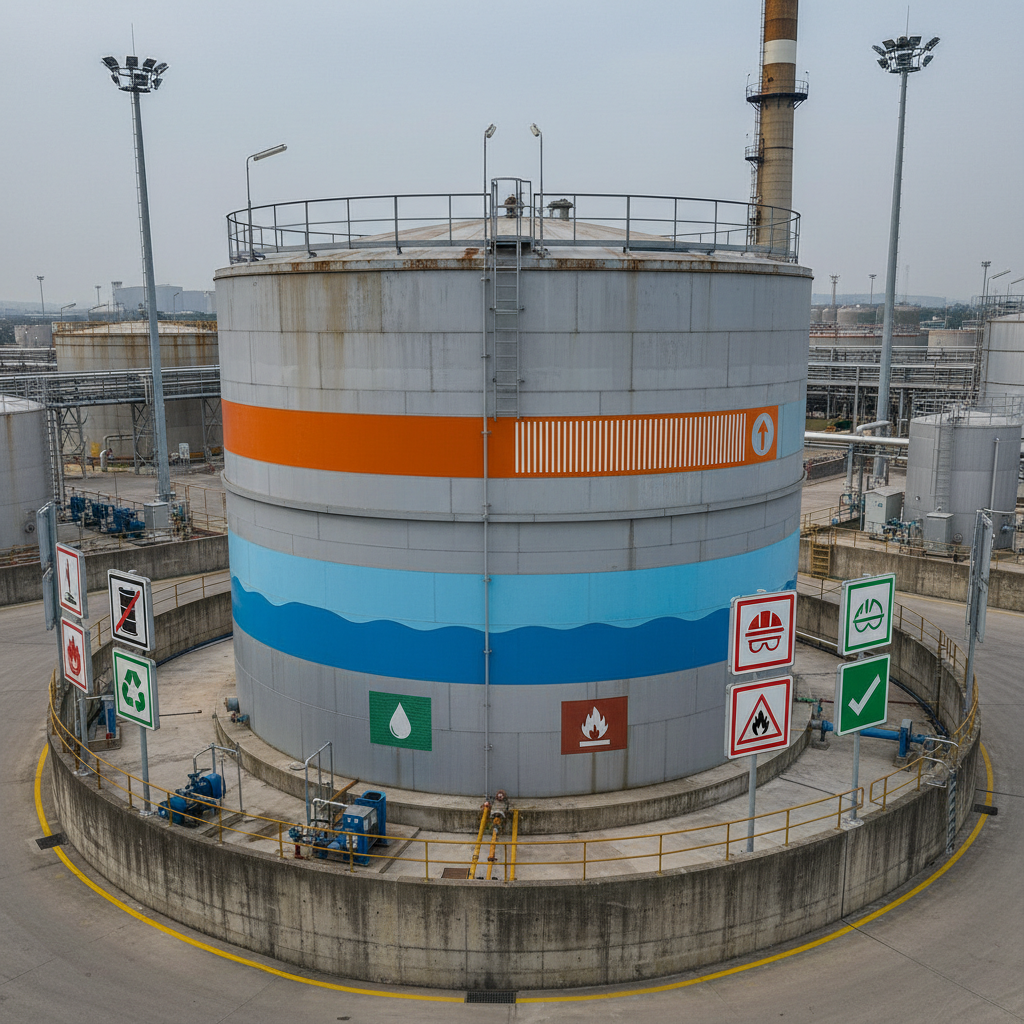
SPCC labeling requirements are part of a three-layer regulatory system. SPCC is the contents identification system under 40 CFR Part 112. This means every aboveground storage tank needs labels showing what’s inside and how much it holds.
OSHA HazCom adds workplace safety labeling on top of SPCC requirements. NFPA 704 diamond placards provide fire department information for emergency response. All three programs apply to the same tanks but require different information.
The confusion happens because facilities assume one label satisfies all three requirements. It doesn’t. EPA inspects for SPCC contents identification under 40 CFR 112.7(c). OSHA checks workplace safety data sheets and hazard communication. Fire marshals look for NFPA diamonds during code inspections.
Most operators discover this overlap during their first multi-agency inspection. The tank has a contents label but fails SPCC requirements because it doesn’t show working capacity. The same tank passes fire code but fails OSHA because the safety data sheet isn’t posted nearby.
SPCC Contents Identification Requirements: What Must Appear on Every Tank
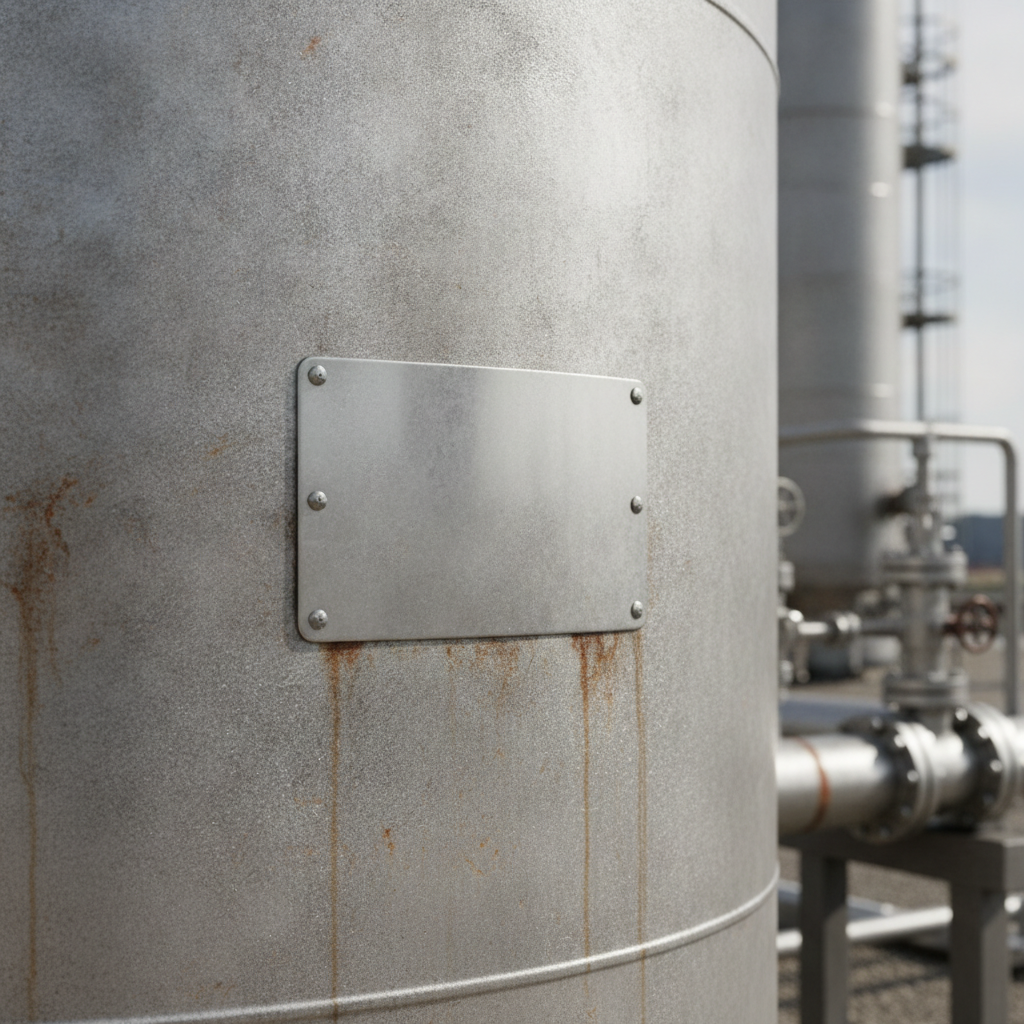
Contents identification requirement specifies DOT proper shipping names on every tank label. EPA wants specific product names, not generic terms.
| Information Required | Acceptable Format | Placement Rule | 40 CFR Part 112 Citation |
|---|---|---|---|
| Product contents | DOT shipping name | Within 6 inches of fill | 112.7(c) |
| Working capacity | Gallons or percentage | On tank shell or gauge | 112.7(c) |
| Last inspection date | Month/Year format | Near contents label | 112.7(e) |
| Maximum fill level | Gauge mark or line | On level indicator | 112.8(c) |
DOT shipping names are specific. Diesel fuel tanks need “Diesel Fuel” labels. Gasoline tanks need “Gasoline” or “Motor Spirit.” Heating oil needs “Fuel Oil.” Generic “fuel” labels fail SPCC inspections because they don’t identify the specific product stored.
Label placement within 6 inches of fill connection per EPA guidance means the person filling the tank can read the label without moving. This prevents wrong-product loading that causes most SPCC spill incidents.
EPA inspectors check three things: product identification using proper shipping names, working capacity marked clearly, and inspection dates within three years. Missing any one element fails the SPCC contents identification requirement.
How Do You Mark Tank Capacity and Overfill Indicators?
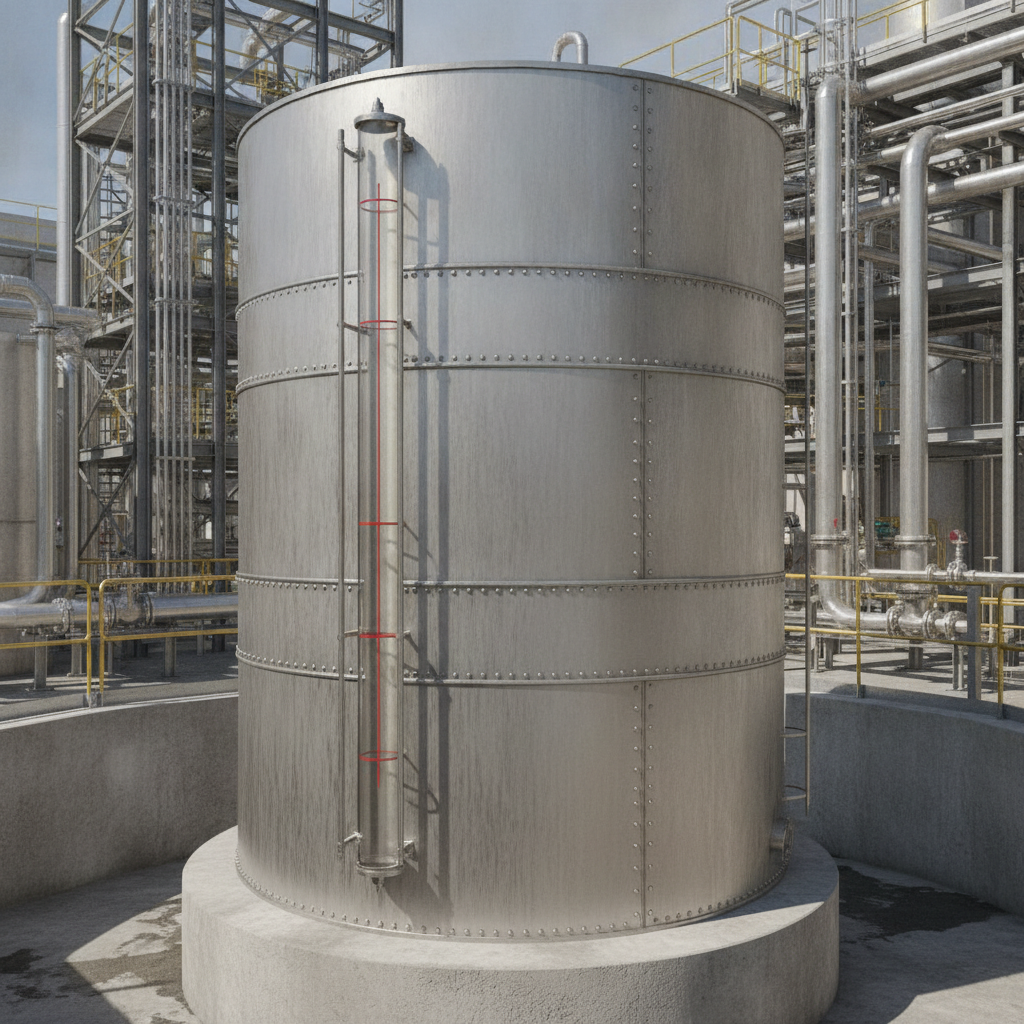
Capacity labeling must show working capacity and maximum fill level for SPCC compliance.
Calculate working capacity at 90% of shell capacity for cone roof tanks. A 10,000-gallon tank has 9,000 gallons working capacity.
Mark the maximum fill line on your level gauge using permanent paint or etching. This line shows operators where to stop filling.
Install capacity labels showing both total shell capacity and working capacity in gallons. Place labels where filling operators can see them clearly.
Mark overfill indicators using high-level alarms or visible gauge markings. These prevent spills during filling operations.
Document capacity calculations in your SPCC plan with tank specifications and working capacity determinations.
Working capacity must be marked at 90% of shell capacity for cone roof tanks to prevent roof damage and spills. Floating roof tanks use different calculations based on roof weight and freeboard requirements.
The most common mistake is labeling total capacity instead of working capacity. EPA expects working capacity markings because that’s what prevents overfill spills during normal operations.
What Secondary Containment Signage Do You Actually Need?

Secondary containment signage identifies spill response procedures for SPCC compliance.
- Emergency contact information posted at containment area entrances with 24-hour phone numbers for spill response teams
- Drain valve labels marking “Keep Closed” or “Emergency Use Only” to prevent operators from leaving valves open
- Secondary containment capacity signs showing maximum volume the containment can hold in gallons
- Spill response equipment location signs pointing to nearest spill kits, absorbents, and cleanup materials
- No smoking signs meeting local fire code requirements for Class I and II liquids
Signs must be visible from 50 feet and weather-resistant per SPCC guidance. This means 3-inch lettering minimum for identification signs and reflective or high-contrast materials that don’t fade.
Most facilities install tank labels but forget secondary containment signage. EPA inspectors check containment areas separately and cite missing drain valve labels as the most common secondary containment violation.
Do ASTs Need NFPA 704 Diamond Placards?
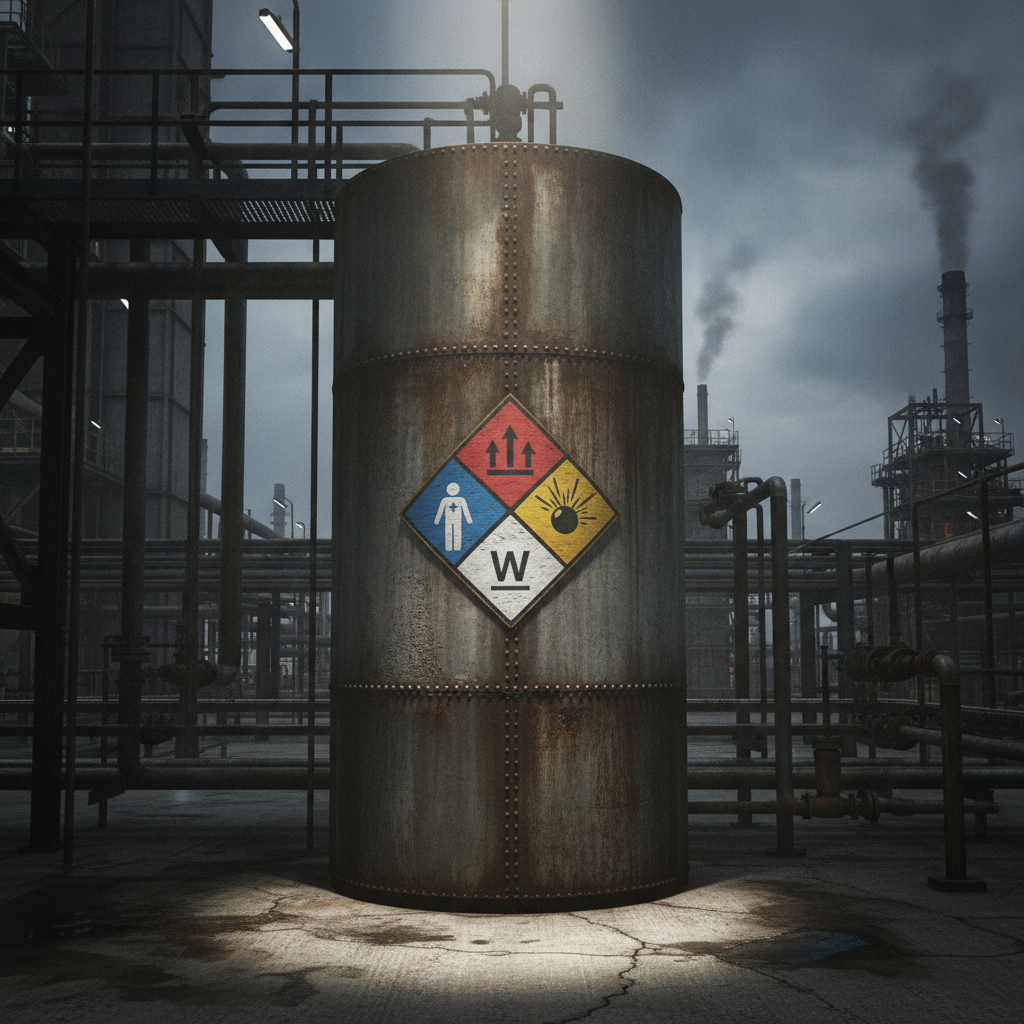
NFPA 704 diamond requirements apply to specific fuel types and locations based on fire code enforcement.
| Fuel Type | NFPA 704 Required | Fire Diamond Rating | Local Override |
|---|---|---|---|
| Gasoline | Yes, Class I liquid | Health 1, Fire 3 | Fire marshal discretion |
| Diesel fuel | Depends on location | Health 2, Fire 2 | Building code triggers |
| Heating oil | Usually not required | Health 1, Fire 1 | Indoor storage only |
| Used oil | State program varies | Health 2, Fire 1 | Waste oil regulations |
NFPA 704 required for Class I and II liquids per NFPA 30 Section 22.11.2 when tanks are near buildings or public access areas. Fire departments need hazard information for emergency response planning.
State AST program requirements modify federal rules. Pennsylvania requires NFPA diamonds on all commercial fuel tanks. California CUPA programs enforce stricter marking requirements in earthquake zones. Texas TCEQ follows NFPA 30 without additional state requirements.
The confusion comes from mixing OSHA workplace requirements with fire code requirements. OSHA requires safety data sheets for workers. Fire codes require NFPA diamonds for emergency responders. Different agencies, different requirements.
How Do State Programs Change Federal AST Labeling Rules?
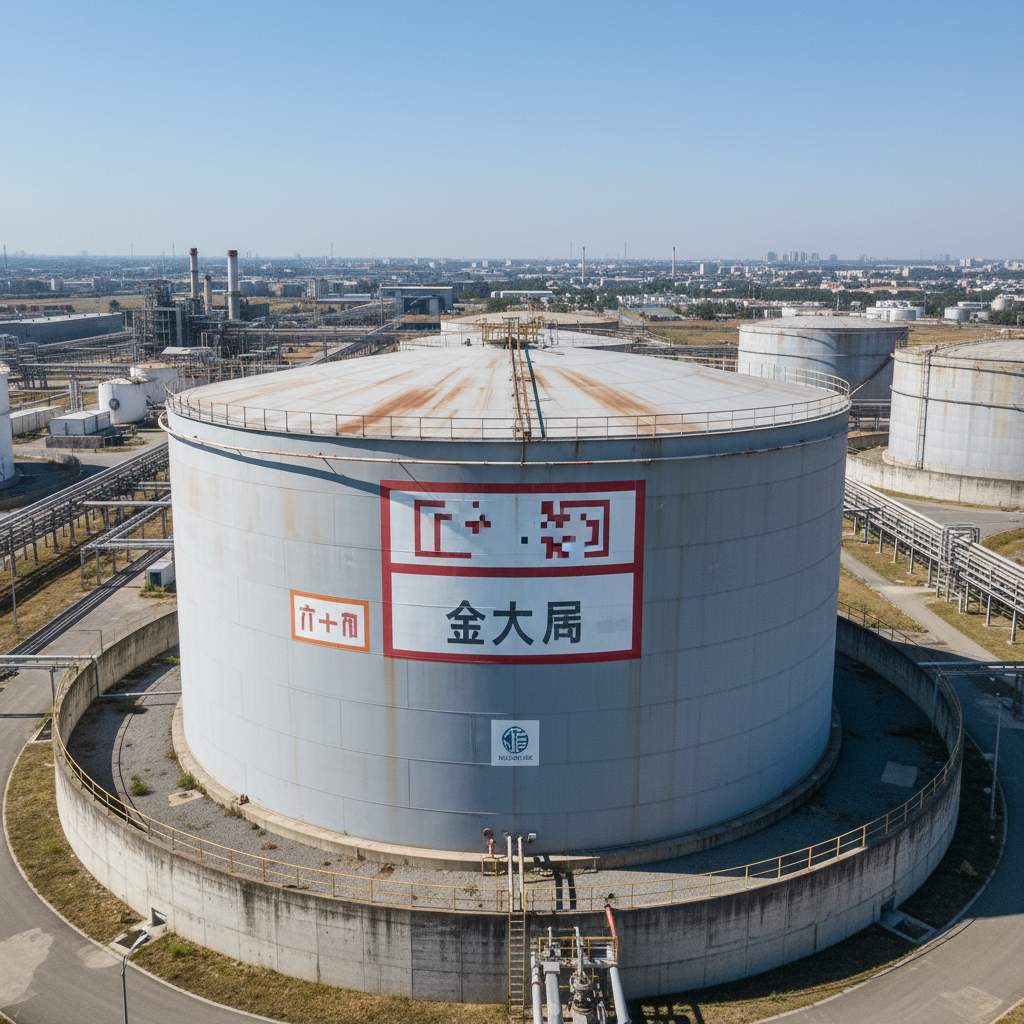
State AST program requirements modify federal labeling standards with additional marking and language requirements. The federal AST regulatory framework under SPCC sets the baseline, but states add layers.
Pennsylvania Chapter 245 requires bilingual signage in counties with 20% or higher Spanish-speaking population. This affects tank labeling in Philadelphia, Allentown, and Reading metro areas. Emergency contact signs must appear in both English and Spanish.
California CUPA programs add earthquake safety marking requirements beyond federal SPCC rules. Tank labels must include seismic shutoff valve locations and emergency response procedures specific to earthquake response.
Texas TCEQ operates a parallel AST program that duplicates federal requirements but adds state-specific reporting. Tank labels need both EPA identification numbers and Texas environmental permit numbers when both programs apply.
New York DEC requires additional marking for petroleum bulk storage facilities that overlap with SPCC-regulated tanks. Labels must show both SPCC contents identification and PBS facility registration numbers.
The practical difference: check your state AST program before ordering labels. Federal SPCC requirements are the minimum, not the complete picture.
Frequently Asked Questions
What happens if my AST labels fade or become unreadable?
EPA treats unreadable labels the same as missing labels during SPCC inspections. You must replace faded or damaged labels immediately to maintain compliance. Weather-resistant materials are required to prevent this issue.
Can I use custom tank labels or do they have to be a specific format?
SPCC regulations don’t specify label format, only required information content and placement. However, labels must be permanent, weather-resistant, and clearly legible. Many facilities use standardized industrial labels to ensure durability.
Do I need different labels for diesel vs gasoline storage tanks?
Yes, contents identification must specify the exact product stored using DOT proper shipping names. Diesel requires “Diesel Fuel” while gasoline requires “Gasoline” or “Motor Spirit.” Generic terms like “fuel” don’t meet SPCC requirements.