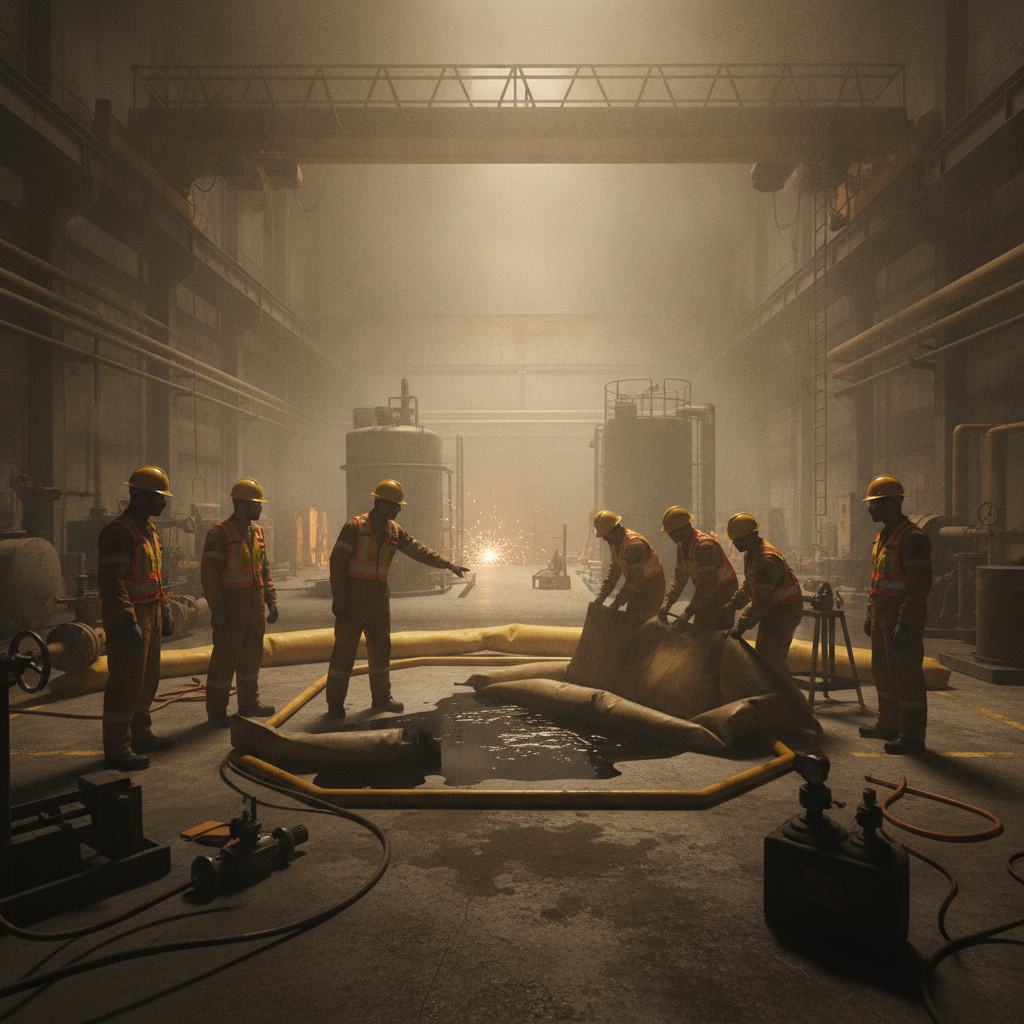
SPCC training requirements trip up more facilities than any other compliance element because the regulations are vague about specifics while enforcement is crystal clear about documentation standards.
Key Takeaways:
- Annual training is mandatory for all oil-handling personnel, but 40 CFR 112 doesn’t specify duration or format
- Training records must be kept for 3 years and include attendee names, dates, and training content
- Online training counts as acceptable format if it covers facility-specific SPCC procedures
Who Must Receive SPCC Training?
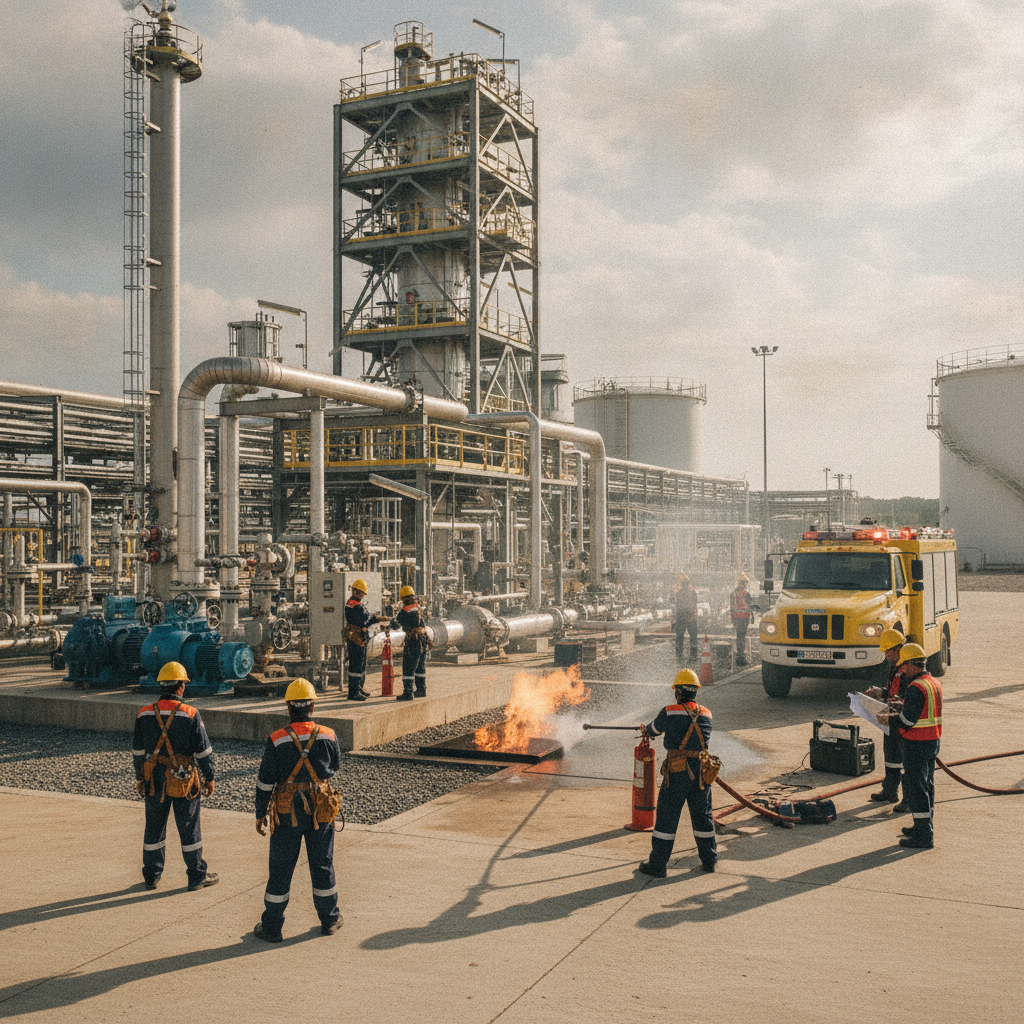
Oil-handling personnel is anyone whose job involves direct contact with oil systems, equipment maintenance, or emergency response at your facility. This means the definition extends far beyond obvious pump operators or tank technicians.
Your SPCC training requirement covers maintenance staff who service generators, contractors who work on fuel lines, emergency response team members, and supervisors who oversee oil operations. Part-time employees need the same training as full-time staff. The EPA’s 2013 guidance clarifies that “personnel” includes anyone whose actions could cause a discharge or who would respond to a spill.
The distinction matters because facilities often miss contractors, temporary workers, and management personnel who make operational decisions about oil systems. A supervisor who authorizes equipment changes needs training. A contracted electrician working on generator systems needs training. Security staff who might discover a leak need training.
Facilities that limit training to direct operators fail inspections when EPA interviews other personnel who handle oil-related responsibilities. The regulation at 40 CFR 112.7(f) uses broad language intentionally. If someone’s job touches your oil operations, they need annual SPCC training.
What Training Content Does 40 CFR 112 Actually Require?
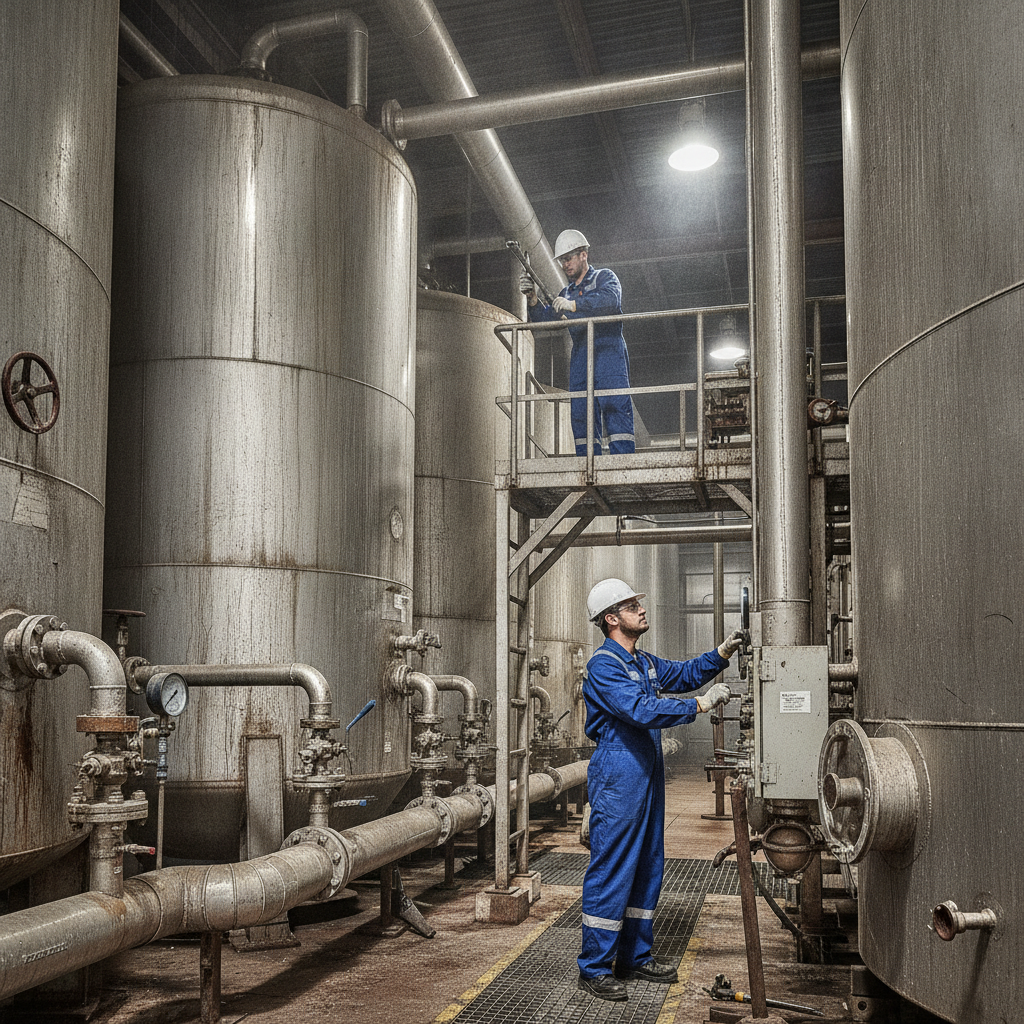
SPCC training content must include discharge prevention and response procedures specific to your facility’s operations and equipment layout.
The regulation at 40 CFR 112.7(f)(1-5) lists five mandatory training elements:
Operation and maintenance of equipment to prevent discharges, including startup, shutdown, and routine maintenance procedures for your specific tanks, pumps, and piping systems.
Discharge procedure and response covering immediate actions when spills occur, notification requirements, and containment methods using equipment available at your facility.
Applicable pollution prevention laws including SPCC regulations, state requirements, and facility-specific permit conditions that affect oil handling operations.
General facility operations encompassing normal procedures, safety protocols, and operational changes that could affect spill prevention systems.
Contents of the facility response plan detailing spill response procedures, equipment locations, contractor contact information, and regulatory notification requirements.
Generic oil safety training doesn’t meet SPCC requirements. Your training must cover your tanks, your containment systems, your spill response equipment, and your facility’s specific procedures. A warehouse with 275-gallon totes needs different content than a fleet yard with 10,000-gallon ASTs.
How Often Must You Conduct SPCC Training?
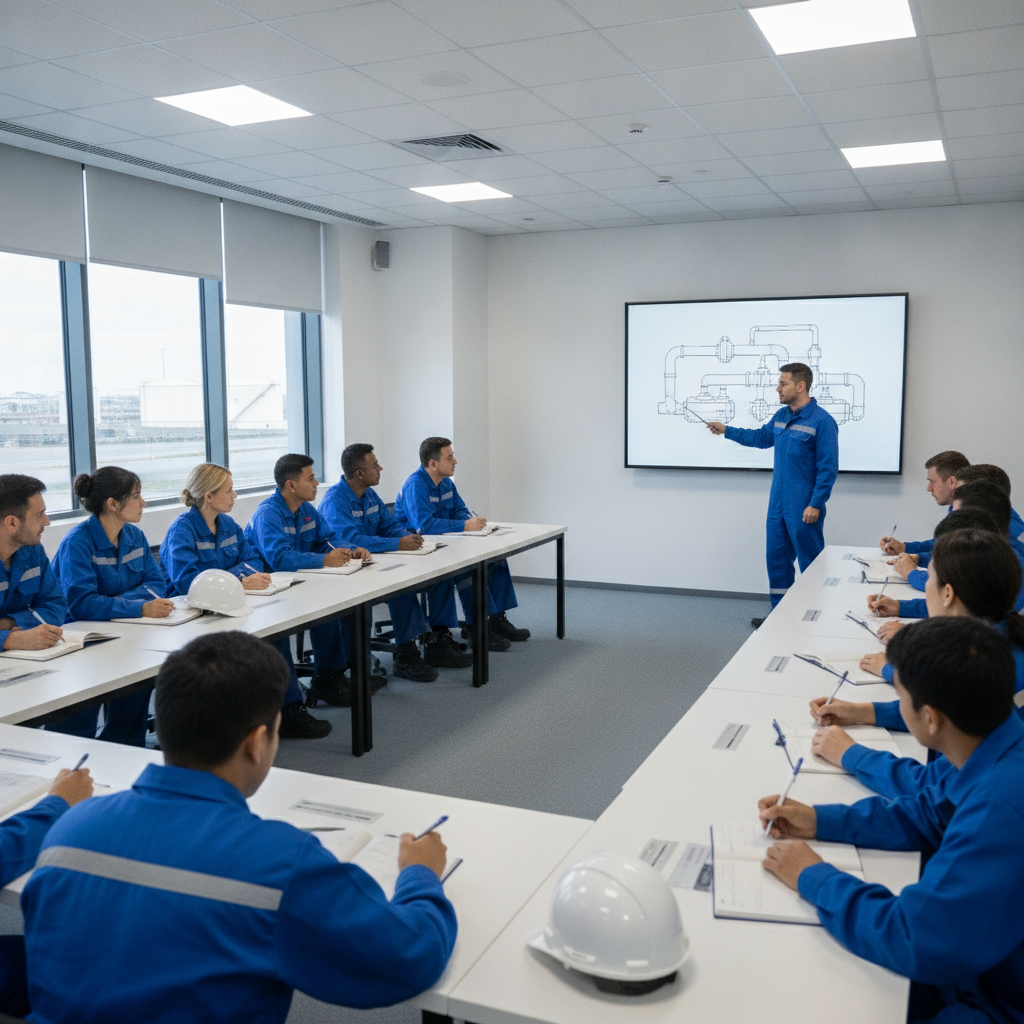
SPCC training frequency requires annual completion for all oil-handling personnel within 12 months of their previous training session or hire date. This means new employees must receive training before they begin oil-handling duties, not within their first year.
The annual requirement applies to everyone covered under your SPCC training requirement, regardless of experience level or job changes. A 20-year veteran operator needs annual refresher training. A contractor who works at your facility monthly needs annual training. Management personnel who oversee oil operations need annual training.
Equipment changes trigger additional training requirements outside the annual schedule. Install new tanks, modify piping systems, or change spill response procedures, and affected personnel need updated training before operating the modified systems. Document these additional sessions separately from annual training records.
Facilities often ask whether annual means calendar year or 12-month intervals. The regulation requires training within 12 months of the previous session. You can schedule all personnel in January for simplicity, or track individual anniversary dates. Both approaches meet EPA requirements as long as no employee goes more than 12 months without training.
What Training Formats Meet SPCC Compliance Standards?

| Training Format | Compliance Requirements | Best For |
|---|---|---|
| Online Training | Must include facility-specific content and assessment | Multi-location facilities, basic regulatory content |
| In-Person Classroom | Allows hands-on demonstration and group discussion | Complex facilities, new employee orientation |
| Self-Study Programs | Requires documented completion and comprehension testing | Experienced personnel, refresher training |
| Vendor-Led Sessions | Must cover facility-specific procedures, not just generic content | Specialized equipment, contractor training |
| Internal Training | Trainer must understand both regulations and facility operations | Most cost-effective, highest facility relevance |
SPCC training formats include online, in-person, and self-study options as long as they cover required content elements comprehensively. The EPA accepts any format that addresses your facility’s specific operations, equipment, and response procedures.
Online training works for regulatory background and general spill prevention principles, but you must supplement it with facility-specific content. Generic courses that cover SPCC basics don’t meet compliance standards alone. Your personnel need to know where your spill kits are located, how your containment systems work, and who to call when spills occur at your facility.
Trainer qualification requirements focus on knowledge, not certification. Internal trainers must understand SPCC regulations and your facility’s operations. External trainers must learn your systems before conducting training. A qualified trainer knows both what the regulation requires and how those requirements apply to your specific equipment and procedures.
How Do You Document SPCC Training for EPA Compliance?

SPCC training documentation must include attendee records and content proof maintained for the mandatory 3-year retention period.
Follow these documentation steps for EPA compliance:
Record attendee information including full names, employee IDs, job titles, and training dates for every session. Incomplete attendance records fail EPA audits.
Document training content by maintaining course outlines, presentation materials, handouts, and assessment results that prove all required elements were covered.
Track completion dates using a system that shows when each employee received training and when their next session is due. Spreadsheets work, but dedicated software prevents missed renewals.
Maintain instructor qualifications by documenting trainer credentials, facility knowledge, and regulatory training background for internal or external instructors.
Store records securely in formats that remain accessible during EPA inspections, including digital backups and organized filing systems that inspectors can review quickly.
Create audit trails showing training program updates, content changes, and compliance improvements over time to demonstrate ongoing program effectiveness.
Records must be maintained for minimum 3 years from training date, including documentation for employees who leave the company. EPA inspectors typically request three years of training records during facility visits. Missing records or incomplete documentation result in violations regardless of whether training actually occurred.
Acceptable formats include digital files, printed records, or training management systems. The format matters less than completeness and accessibility. Inspectors need to verify that training happened, covered required content, and included all necessary personnel.
What Happens During EPA SPCC Training Audits?
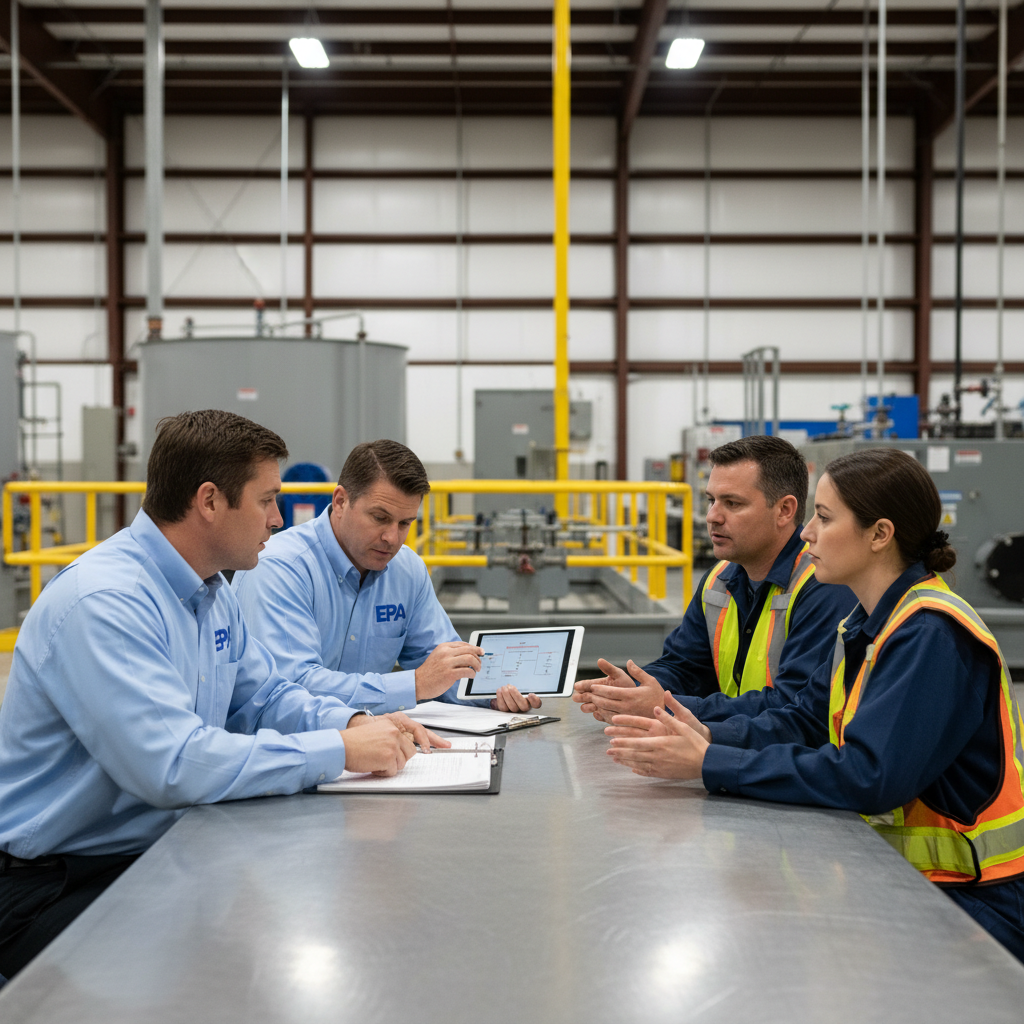
EPA training audits examine documentation completeness and training effectiveness through record reviews and personnel interviews during facility inspections.
Inspectors focus on three areas: record completeness, content adequacy, and personnel knowledge. They request training documentation spanning three years, review course materials for regulatory compliance, and interview employees about facility procedures. The audit tests whether your training program actually prepared personnel for spill prevention and response.
Common audit findings include incomplete attendance records, generic training content that doesn’t cover facility-specific procedures, and personnel who can’t explain basic spill response steps. EPA typically requests 3 years of training records during facility inspections, then interviews randomly selected employees to verify training effectiveness.
Documentation requests focus on attendance records, training materials, instructor qualifications, and evidence that content covered all five mandatory elements. Inspectors verify that contractors received appropriate training and that new employees were trained before beginning oil-handling duties.
Personnel interviews reveal whether training translated into practical knowledge. Employees should know their facility’s spill response procedures, equipment locations, and notification requirements. Generic answers suggest inadequate facility-specific training content.
Violation patterns from enforcement cases show that training-related citations often result from poor documentation rather than missing training. Facilities that conducted training but kept inadequate records face the same penalties as facilities that skipped training entirely.
Frequently Asked Questions
Can contractors receive SPCC training from their own company instead of the facility?
Contractors can receive general SPCC training from their employer, but they must also receive facility-specific training covering your site’s procedures and equipment. The facility owner remains responsible for documenting that all contractors working with oil systems have received appropriate training.
Does SPCC training have to be conducted by a certified instructor?
No certification is required for SPCC training instructors. However, the trainer must be knowledgeable about facility operations, SPCC regulations, and your specific spill prevention procedures. Many facilities use internal personnel who understand both the regulatory requirements and site-specific operations.
How long does SPCC training need to be to meet EPA requirements?
EPA does not specify training duration in 40 CFR 112. Training length should be sufficient to cover all required content elements thoroughly. Most facilities conduct 2-4 hour sessions depending on facility complexity and employee experience levels.
What training records do I need to keep if an employee leaves the company?
You must maintain training records for former employees for the full 3-year retention period, even after they leave. These records may be needed during EPA inspections to demonstrate historical compliance and proper training of personnel who handled oil during their employment.