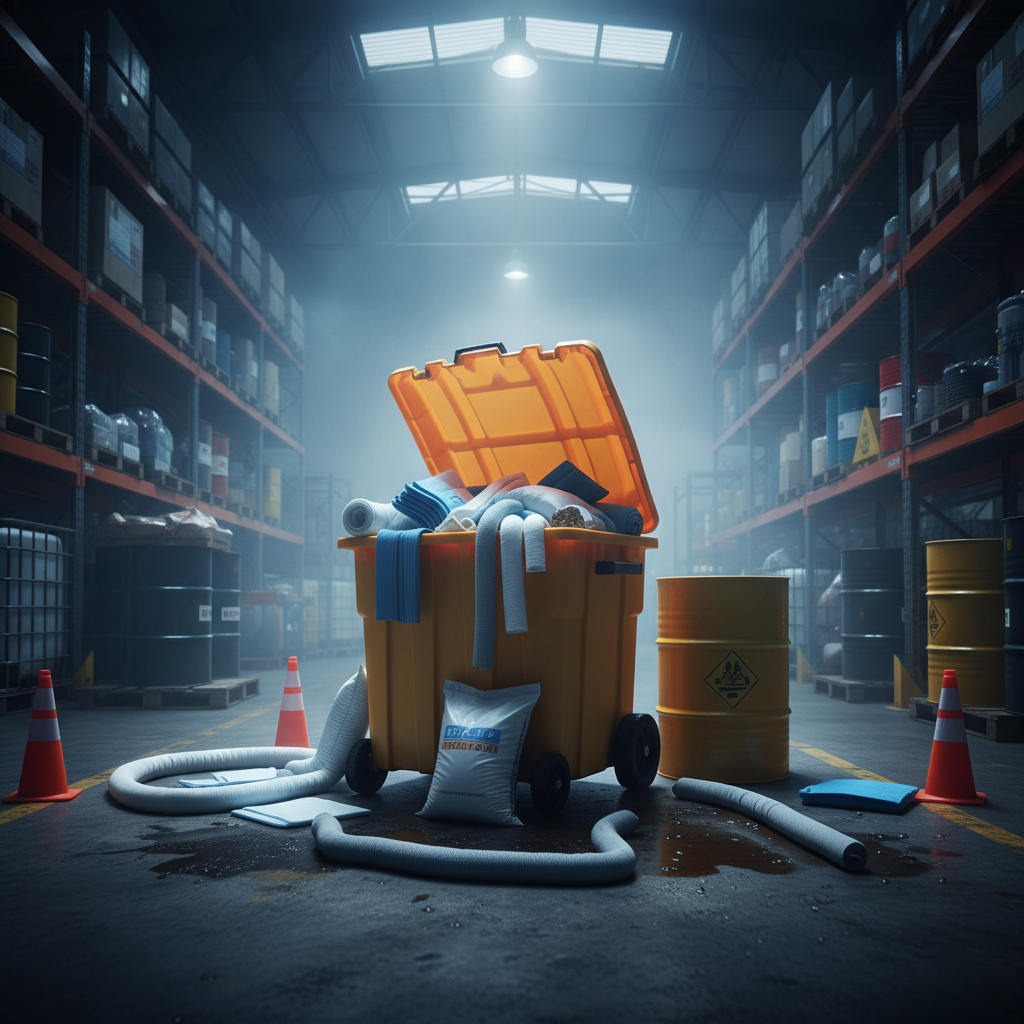
Spill kit requirements SPCC violations happen when inspectors find inadequate response equipment, not missing plans. Most facilities get cited for having the wrong equipment types or insufficient quantities when spills occur.
Key Takeaways:
- SPCC regulations require enough absorbent materials to handle the largest single tank spill at your facility
- Response equipment must be accessible within 15 minutes of any storage area during normal operations
- Equipment inventory tracking failures account for 23% of SPCC response-related violations
What Equipment Must Every SPCC Spill Kit Actually Contain?
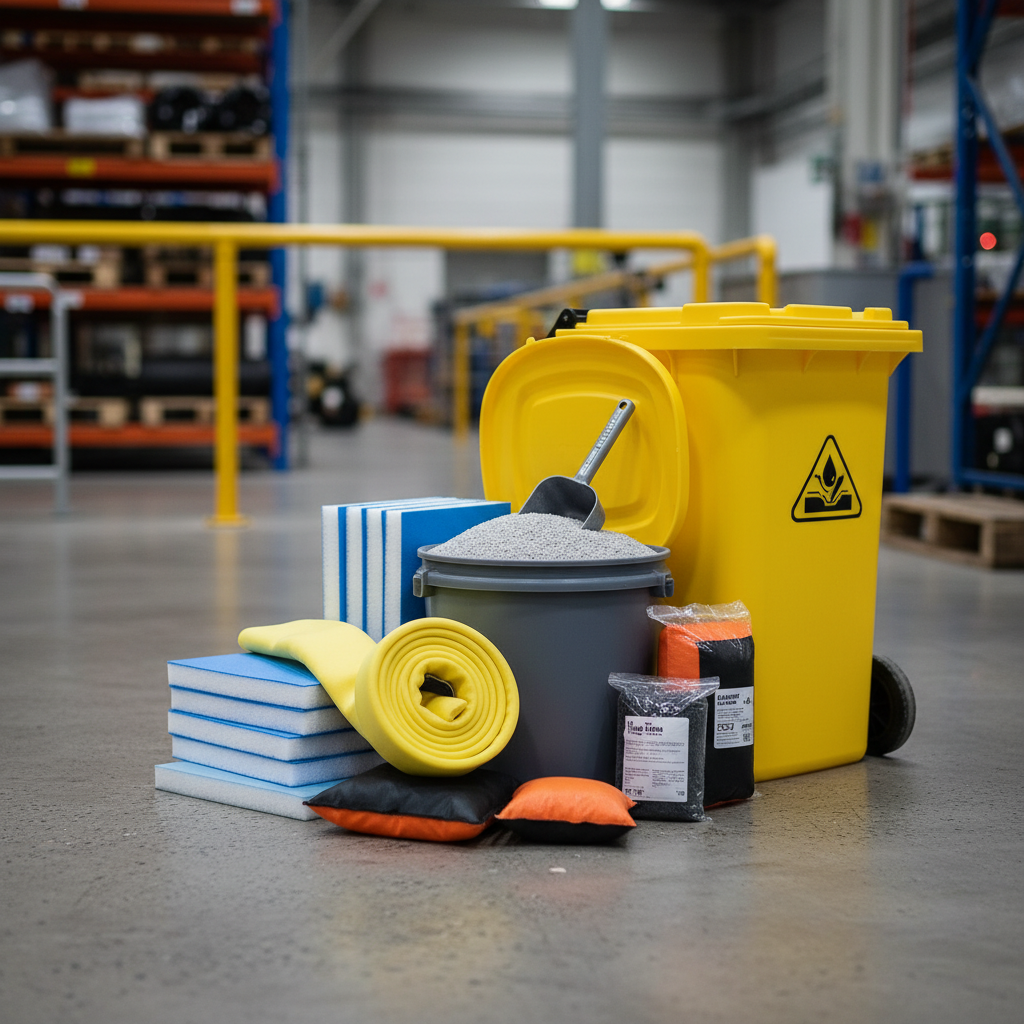
SPCC spill kits must contain specific equipment types mandated under 40 CFR 112.7. Equipment must handle the largest single container capacity at your facility.
Mandatory equipment includes:
- Absorbent materials – Enough to absorb the contents of your largest single container, not just a token amount
- Containment booms – Floating barriers to control spill spread on water surfaces or paved areas
- Personal protective equipment – Chemical-resistant gloves, eye protection, and coveralls rated for petroleum contact
- Non-sparking collection tools – Shovels, scrapers, and containers made from materials that won’t ignite petroleum vapors
- Communication equipment – Waterproof means to contact the National Response Center and facility management
- Disposal containers – Properly labeled drums or bags for contaminated materials removal
The regulation doesn’t specify brands or exact quantities because requirements vary by facility size. A 500-gallon diesel tank needs different equipment than a 10,000-gallon fuel farm. Your spill response equipment list SPCC must match your actual storage capacity, not generic recommendations.
Absorbent material volume calculations determine minimum quantities. Polypropylene pads absorb 10-15 times their weight in petroleum products, making them the most space-efficient option for most facilities.
How Do You Calculate Absorbent Material Volume Requirements?

Absorbent calculations determine required material volumes based on your largest container rule. This ensures adequate response capability during actual spills.
Follow these calculation steps:
- Identify your largest single container – Include aboveground tanks, mobile containers, and any single vessel that could release oil
- Calculate total absorbent capacity needed – Multiply container volume by 1.1 to account for expansion and foam
- Determine material absorption rates – Polypropylene absorbs 10-15 times its weight, while clay-based products absorb 2-4 times their weight
- Convert to material quantities – Divide required absorption capacity by material efficiency rating to get pounds needed
- Add 25% buffer stock – Account for material degradation, partial use, and emergency reserves
- Document your calculations – Include tank inventory, absorption rates, and quantity justification in your SPCC plan
A 1,000-gallon diesel tank requires 1,100 gallons of absorption capacity. Using polypropylene pads at 12x absorption rate, you need roughly 110 pounds of absorbent material. Adding the 25% buffer brings total requirements to 140 pounds.
Spill response equipment list SPCC documentation must show these calculations. Inspectors verify that your equipment quantities match your storage capacity, not arbitrary amounts.
Where Must Spill Kits Be Located for SPCC Compliance?
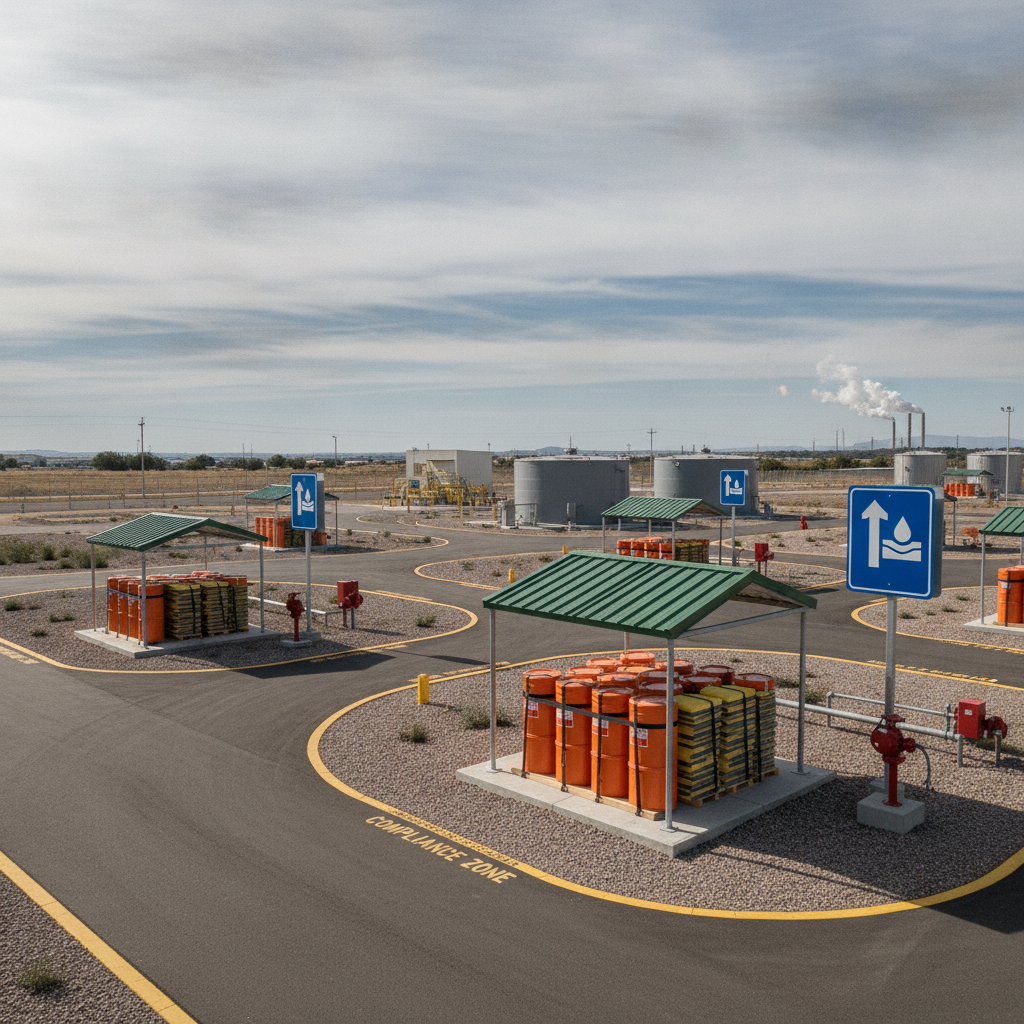
Spill kit placement locations determine response accessibility compliance. Equipment must be reachable within 15 minutes during facility operating hours.
| Location Requirement | SPCC Standard |
|---|---|
| Distance from storage | Maximum 1,000 feet or 15-minute access |
| Weather protection | Enclosed storage preventing degradation |
| Ground clearance | Minimum 6 inches above potential flood level |
| Access restrictions | No locked doors during operating hours |
| Visibility marking | Clear signage identifying equipment location |
| Multiple area coverage | Separate kits if areas exceed distance limits |
Facilities with storage areas more than 1,000 feet apart need multiple kits. You can’t expect workers to run half a mile to get equipment during an emergency.
Weather protection prevents equipment degradation. Outdoor storage boxes must resist UV damage, temperature extremes, and moisture infiltration. Indoor storage can use lighter containers but must remain unlocked during work hours.
Equipment accessibility requirements mean no locked cabinets during operations. Emergency response can’t wait for someone to find keys. Some facilities use breakaway locks or electronic access that opens during alarms.
Ground clearance protects equipment from flood damage. Many facilities learned this lesson during Hurricane Sandy when basement storage rooms flooded and destroyed response equipment.
What Documentation and Inventory Tracking Do SPCC Spill Kits Require?
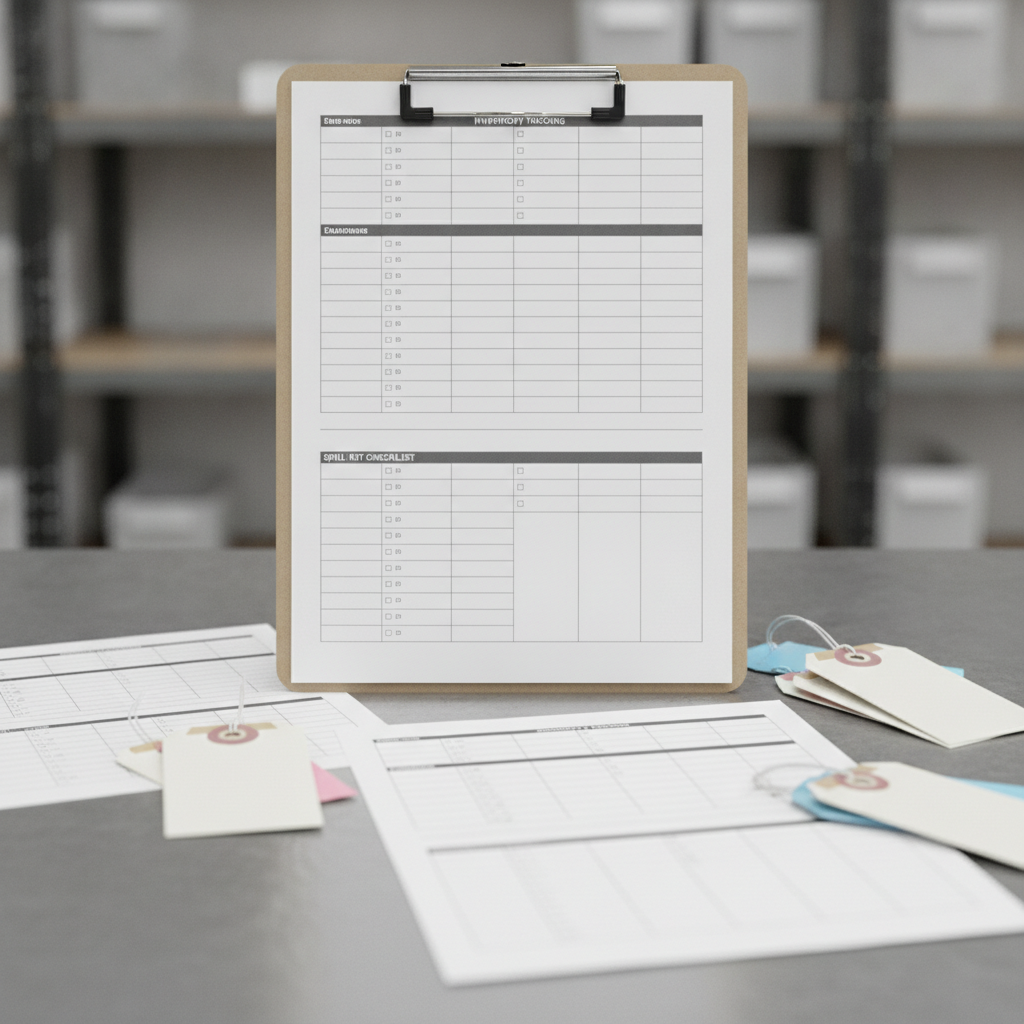
Inventory tracking obligations require specific documentation standards under 40 CFR 112.7(d). Monthly equipment inspections track condition, quantities, and replacement needs.
Inventory tracking obligations are written records showing equipment condition and availability. This means documented proof that response equipment works when needed, not just purchase receipts sitting in files.
Required documentation includes equipment inventory lists, monthly inspection records, replacement schedules, and condition assessments. Inspectors want to see that someone physically checked the equipment recently.
Spill response plan documentation must identify who inspects equipment, what gets checked, and how problems get fixed. Generic statements like “equipment will be maintained” fail inspection. You need names, dates, and specific procedures.
Monthly equipment inspections verify that absorbent materials haven’t degraded, protective equipment remains intact, and communication devices function. Degraded materials can’t absorb spills effectively.
Documentation failures trigger violations even when equipment exists. EPA found facilities with adequate equipment but no proof of maintenance, resulting in citations for inadequate response capability.
Replacement tracking shows when equipment was purchased, installed, and scheduled for renewal. This prevents situations where facilities discover expired equipment during actual emergencies.
How Often Must You Replace and Update Spill Response Equipment?
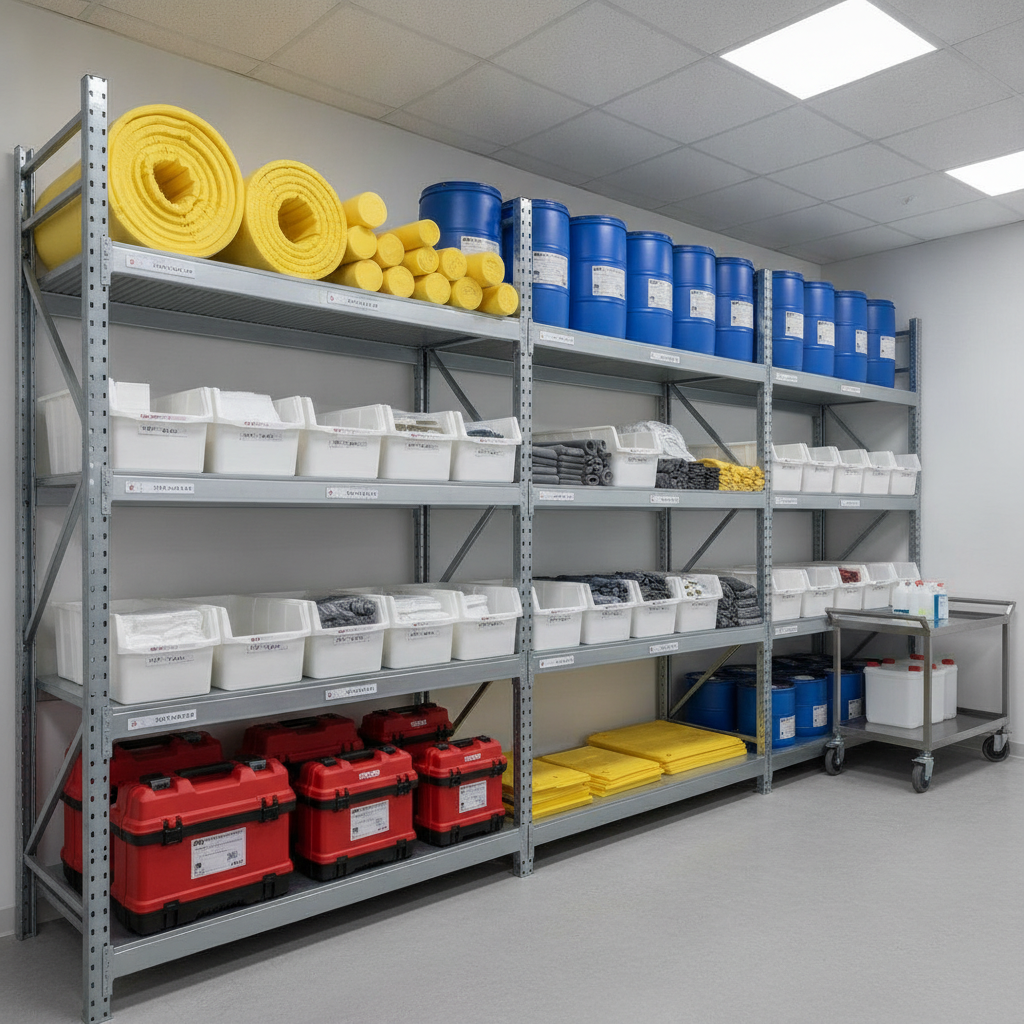
Equipment replacement schedules dictate maintenance intervals based on material degradation and environmental exposure. Absorbent materials degrade 30% in effectiveness after 2 years of storage.
| Equipment Type | Replacement Interval |
|---|---|
| Polypropylene absorbents | 24-36 months depending on storage conditions |
| Clay-based absorbents | 12-18 months in humid environments |
| Containment booms | 60 months with annual integrity checks |
| Protective equipment | Per manufacturer expiration dates |
| Communication devices | Battery replacement every 6 months |
| Collection tools | Replace when corrosion or damage occurs |
Seasonal equipment considerations affect replacement timing. Equipment stored in unheated buildings degrades faster during freeze-thaw cycles. UV exposure breaks down plastic materials in outdoor storage.
Temperature extremes reduce absorbent effectiveness. Materials exposed to repeated heating and cooling lose absorption capacity even when they appear undamaged.
Equipment condition indicators include material discoloration, container cracking, seal degradation, and reduced flexibility in absorbent pads. Visual inspection catches most problems before equipment fails during emergencies.
Expiration tracking prevents using degraded materials during spills. Some facilities use color-coded labels showing purchase dates and replacement schedules.
Battery-powered equipment needs regular testing and replacement schedules. Communication devices that work during monthly tests can fail during actual emergencies if batteries degrade.
Frequently Asked Questions
Can you use the same spill kit for multiple storage areas?
You can use one centralized spill kit if it contains enough materials for your largest single container and remains accessible within 15 minutes of all storage areas. However, facilities with storage areas more than 1,000 feet apart need multiple kits to meet response time requirements.
Do indoor storage areas need different spill kit equipment than outdoor areas?
Indoor and outdoor kits need the same basic equipment types, but outdoor kits require weather-resistant storage containers and may need additional boom materials for ground containment. Indoor kits can use lighter-weight storage but must account for confined space ventilation needs during response activities.
What happens if your spill kit equipment fails during an actual emergency?
Equipment failure during a spill event triggers immediate EPA notification requirements and potential violations for inadequate response capability. Your SPCC plan must include backup equipment sources and alternative response procedures for equipment failures to avoid regulatory citations.