
Texas SPCC requirements TCEQ create dual compliance obligations that catch operators off guard during inspections. The state runs its own SPCC enforcement program parallel to EPA oversight, meaning facilities face potential violations from both agencies.
Key Takeaways:
- TCEQ operates under 30 TAC Chapter 334 alongside federal 40 CFR Part 112, meaning facilities face inspection by both agencies
- Texas processes 847 SPCC violations annually across 23,000+ regulated oil and gas facilities statewide
- Permian Basin operators pay average fines of $8,400 per TCEQ violation compared to $12,100 for EPA enforcement actions
How Does TCEQ SPCC Enforcement Work Alongside EPA Rules?
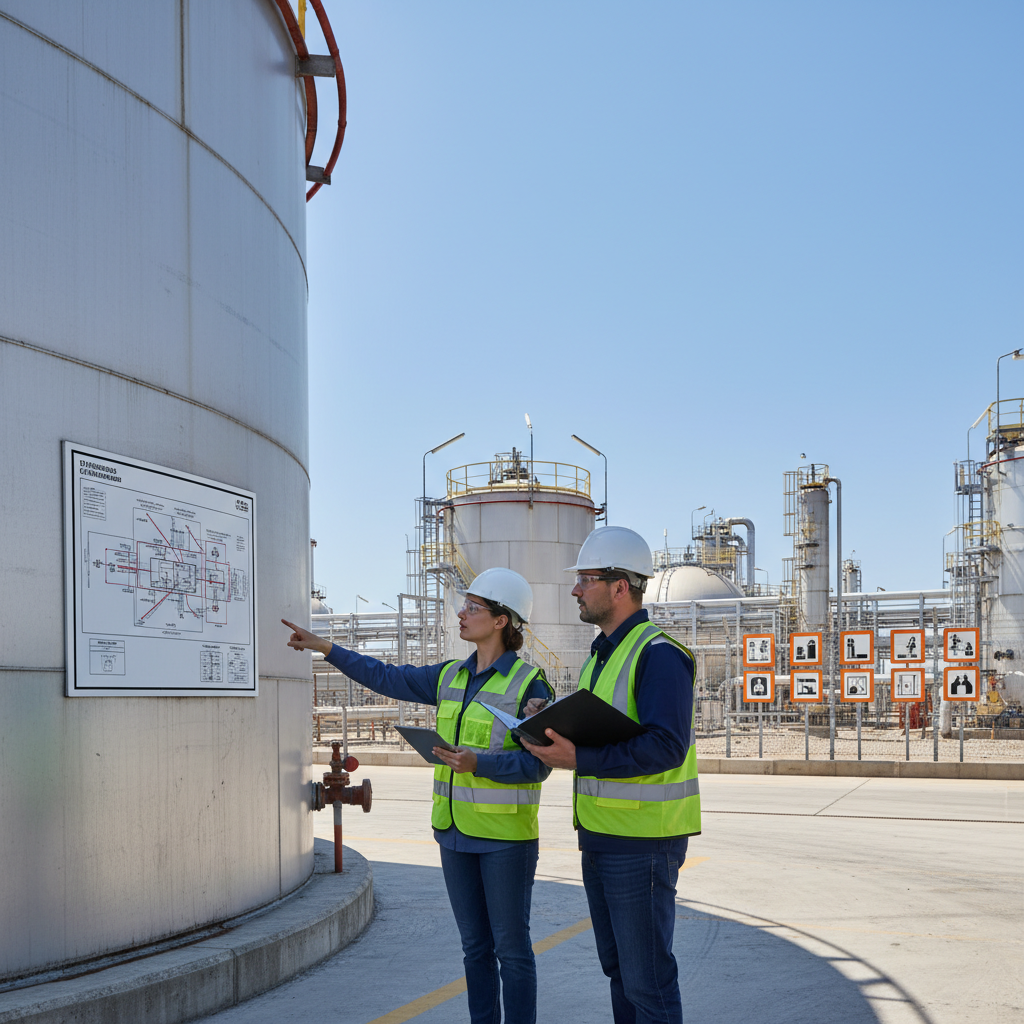
TCEQ parallel enforcement is a dual-authority compliance model where Texas operates its own SPCC program under state law while EPA maintains federal jurisdiction. This means your facility must satisfy both TCEQ inspectors enforcing 30 TAC Chapter 334 and EPA inspectors enforcing 40 CFR Part 112.
TCEQ operates under delegated authority from EPA but maintains independent enforcement powers. The agency can issue violations, assess penalties, and require corrective actions separate from any federal enforcement. Your SPCC plan requirements must meet both programs’ standards, and where Texas rules exceed federal minimums, you follow the stricter requirement.
The practical implication hits during inspections. TCEQ conducts approximately 3,200 SPCC inspections annually across Texas, while EPA performs an additional 890 federal inspections. Some facilities get inspected by both agencies in the same year. Each agency can cite the same deficiency and assess separate penalties.
Texas maintains jurisdiction over 23,000+ facilities under TCEQ SPCC authority statewide. Unlike SPCC requirements by state programs that simply reference federal rules, Texas has codified additional requirements that exceed EPA minimums in several areas.
What Texas SPCC Rules Go Beyond Federal Requirements?
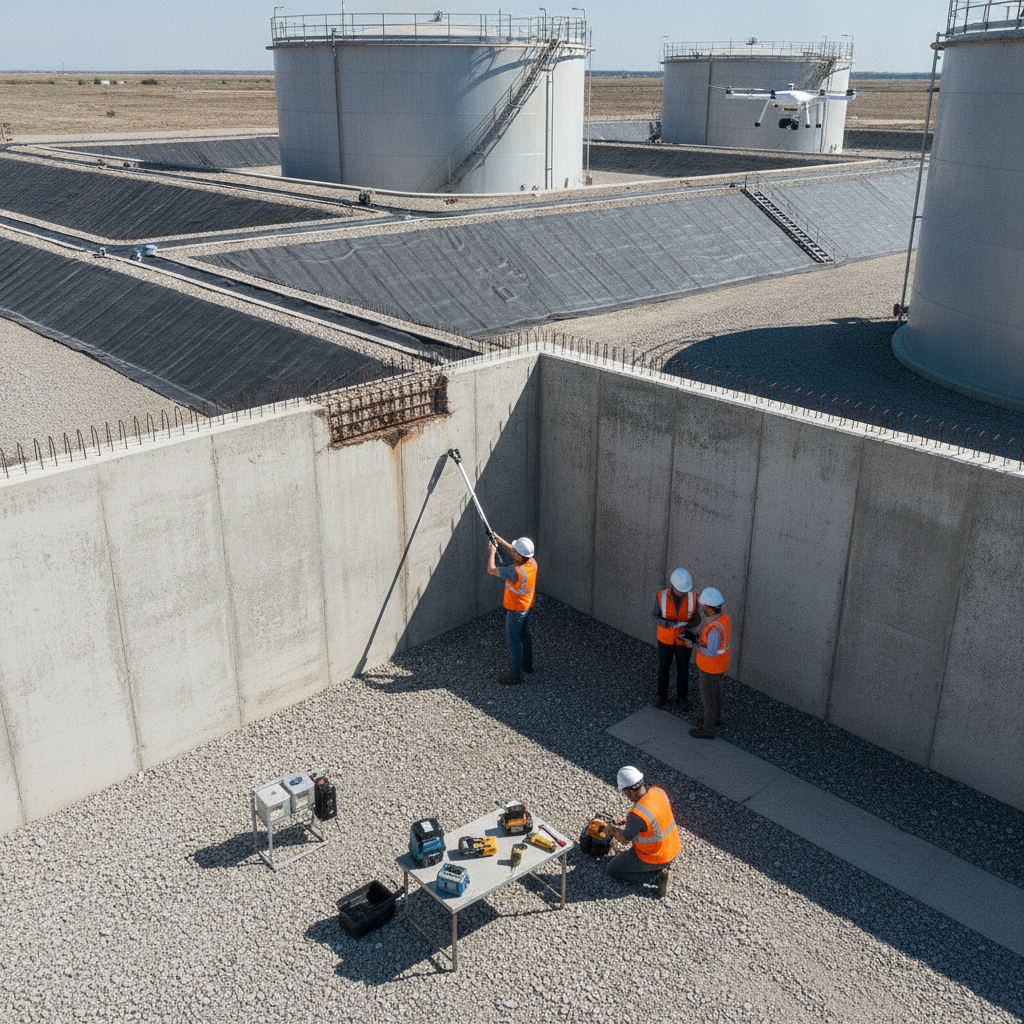
Texas requires stricter state requirements in secondary containment sizing, inspection frequency, and spill response planning compared to federal 40 CFR Part 112 standards. Under 30 TAC Chapter 334, facilities must meet enhanced specifications that exceed EPA minimums.
The most significant difference appears in secondary containment calculations. Texas requires 110% containment capacity versus the federal 100% minimum. For a 10,000-gallon tank, you need 11,000 gallons of containment capacity to satisfy TCEQ compared to 10,000 gallons for EPA compliance.
| Requirement | Federal (40 CFR 112) | Texas (30 TAC 334) |
|---|---|---|
| Secondary Containment | 100% of largest tank | 110% of largest tank |
| Inspection Records | 3 years retention | 5 years retention |
| Spill Response Time | “Immediately” | Within 2 hours maximum |
| Plan Update Triggers | “Significant changes” | Any capacity increase >500 gallons |
| Training Documentation | Annual refresher | Bi-annual certification |
TCEQ inspectors check for these enhanced requirements during facility visits. The 1320-gallon threshold remains the same as federal rules, but once you cross that threshold, Texas imposes stricter compliance standards. Operators who assume EPA compliance equals Texas compliance face violations during TCEQ inspections.
Texas rules also require more detailed spill response procedures. While federal plans can include general response protocols, TCEQ demands specific response timelines, contractor contact information, and equipment staging locations.
Which Texas Oil and Gas Operations Need SPCC Plans?
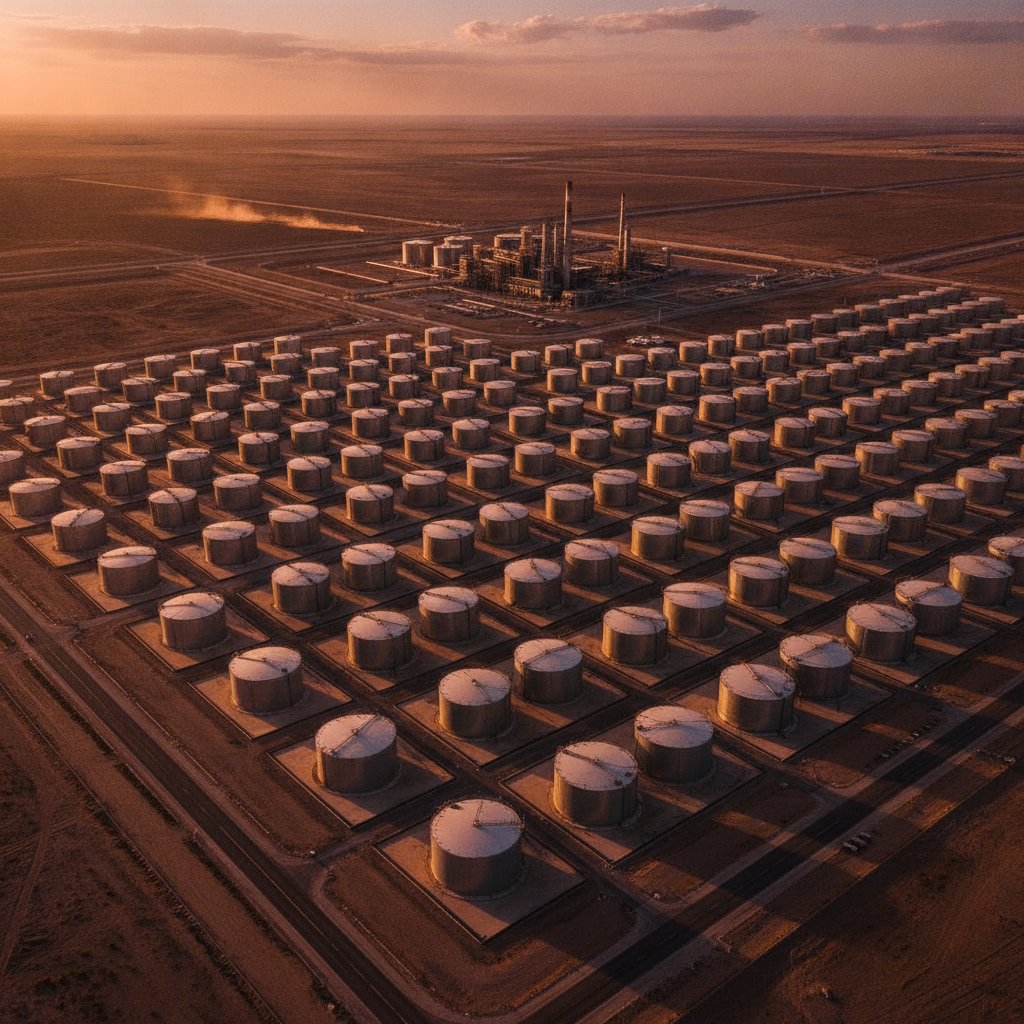
Oil and gas facilities must comply when exceeding thresholds based on total oil storage capacity across all containers at a single location. The 1320-gallon threshold applies to combined storage, not individual tank capacity.
Drilling operations with mud tanks and fuel storage – Temporary drilling sites often exceed 1320 gallons when combining diesel generators, mud additives, and hydraulic fluid storage. Even 30-day drilling programs require SPCC plans if total oil storage exceeds the threshold.
Production facilities and tank batteries – Crude oil storage tanks, produced water separators containing oil, and equipment fuel tanks count toward the 1320-gallon calculation. Most production sites exceed this threshold with a single crude oil storage tank.
Pipeline pump stations and compressor stations – Fuel tanks for backup generators, hydraulic fluid reservoirs, and lubricating oil storage typically push these facilities above 1320 gallons. Pump stations often store 2,000-5,000 gallons across multiple systems.
Refineries and processing plants – All petroleum refineries require SPCC plans regardless of size. Processing plants handling crude oil, condensate, or refined products exceed thresholds with their feed tanks alone.
Saltwater disposal and injection wells – Facilities handling produced water often store diesel fuel, hydraulic fluid, and waste oil that collectively exceed 1320 gallons. Generator fuel tanks for remote operations commonly trigger SPCC requirements.
Texas oil and gas SPCC coverage includes 67% of the state’s regulated facilities. Permian Basin SPCC requirements affect approximately 8,200 active oil and gas locations across the region. The threshold calculation includes all oil products: crude oil, diesel fuel, hydraulic fluid, lubricating oil, and waste oil.
How Do TCEQ and EPA Coordinate SPCC Inspections?

TCEQ coordinates inspection parallel to EPA through a formal information-sharing agreement that governs how both agencies approach facility oversight. The coordination process follows established protocols to avoid duplicating efforts while maintaining independent enforcement authority.
Pre-inspection notification – TCEQ notifies EPA of planned high-priority facility inspections 30 days in advance. EPA can request joint inspection or defer to state authority. Facilities receive single notification listing both potential inspectors.
Joint inspection execution – When agencies conduct coordinated inspections, TCEQ leads on state-specific requirements while EPA focuses on federal compliance gaps. Inspectors share findings in real-time but issue separate violation notices under their respective authorities.
Information sharing protocol – Both agencies exchange inspection reports, violation notices, and corrective action plans within 15 days of completion. This prevents conflicting compliance orders and ensures consistent enforcement messaging to operators.
Penalty coordination – TCEQ and EPA coordinate penalty calculations to avoid excessive cumulative fines for the same deficiency. However, each agency can assess penalties under its own authority structure, leading to separate financial obligations.
Follow-up inspection scheduling – Corrective action verification inspections are typically conducted by the agency that issued the original violation. Cross-agency verification occurs only for facilities with joint violations requiring coordinated oversight.
TCEQ enforcement authority operates independently of EPA approval, but the agencies coordinate to maintain consistent compliance messaging. TCEQ conducts joint inspections with EPA on 31% of high-priority facilities, typically large refineries and major production complexes where federal and state jurisdiction overlap significantly.
What Are Common TCEQ SPCC Violations in Texas Oil Fields?
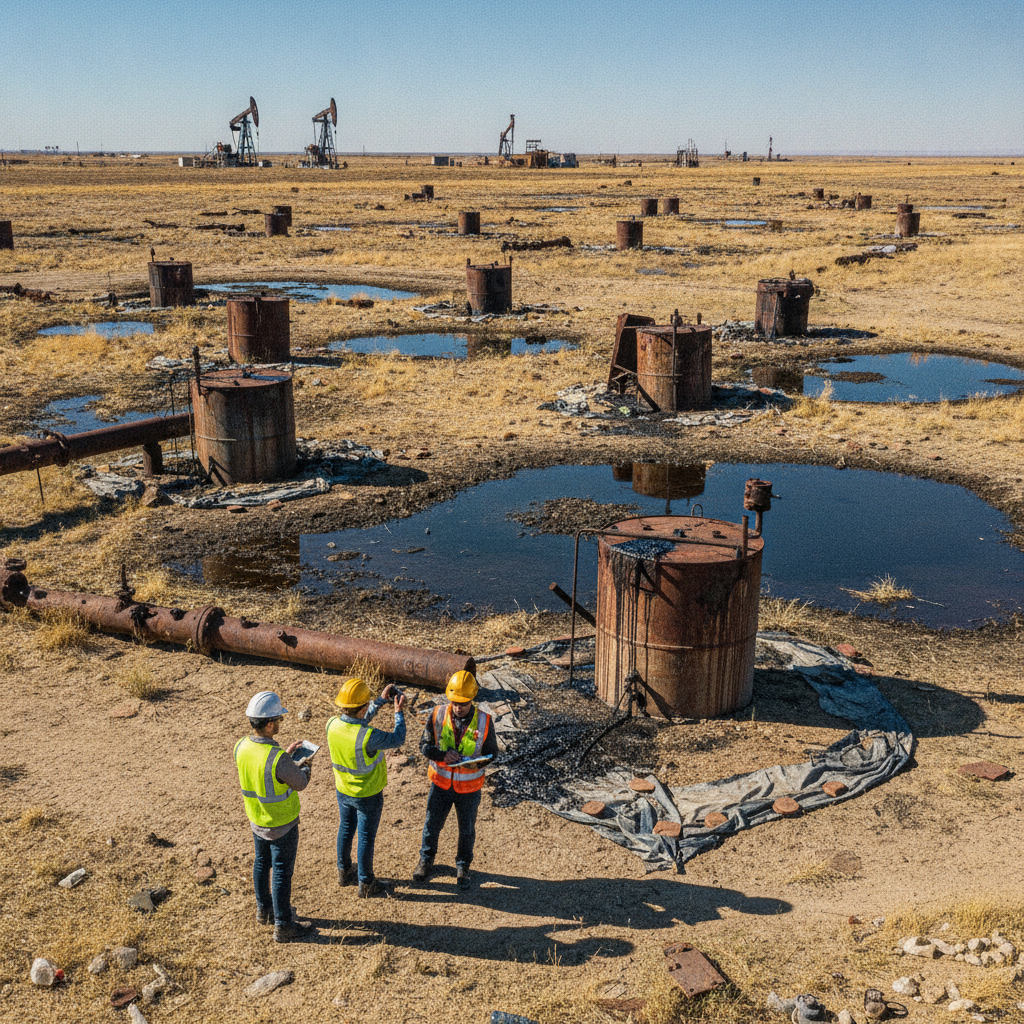
Texas operators receive violations for specific deficiencies that occur repeatedly across oil and gas facilities statewide. Secondary containment violations account for 44% of TCEQ SPCC penalties, followed by documentation failures and inadequate spill response procedures.
The most frequent violations reflect common operational oversights in Permian Basin SPCC compliance. Texas oil and gas SPCC enforcement data shows consistent patterns across facility types and geographic regions.
| Violation Type | Permian Basin Frequency | Average TCEQ Penalty | Prevention Strategy |
|---|---|---|---|
| Inadequate Secondary Containment | 44% of violations | $12,500 | Size containment at 110% of largest tank |
| Missing Inspection Records | 23% of violations | $3,200 | Maintain 5-year documentation trail |
| Outdated SPCC Plan | 18% of violations | $5,800 | Update within 60 days of capacity changes |
| Improper Valve Configuration | 12% of violations | $4,100 | Quarterly valve position verification |
| Insufficient Spill Response Equipment | 3% of violations | $7,600 | Stage equipment per Texas requirements |
Secondary containment sizing errors dominate TCEQ enforcement actions. Operators design containment berms for 100% capacity per federal rules, then face violations when TCEQ inspectors measure containment against the 110% Texas standard. A 5,000-gallon tank needs 5,500 gallons of containment capacity to satisfy TCEQ.
Inspection record violations occur when facilities maintain 3-year documentation per federal requirements but lack the 5-year records TCEQ demands. The agency can assess penalties even when EPA considers documentation adequate. Permian Basin SPCC operators pay average fines of $8,400 per violation, with secondary containment deficiencies carrying the highest penalties due to environmental risk potential.
Frequently Asked Questions
Do I need separate SPCC plans for TCEQ and EPA compliance?
No, you file one SPCC plan that satisfies both TCEQ and EPA requirements. However, the plan must meet the stricter of the two standards where Texas rules exceed federal minimums. TCEQ accepts EPA-compliant plans but enforces additional Texas-specific requirements during inspections.
Can TCEQ fine me even if EPA already inspected my facility?
Yes, TCEQ has independent enforcement authority under Texas law. The agency can issue violations and penalties separate from any EPA action. Both agencies can inspect the same facility and issue different violations for the same deficiencies.
What happens if my Texas SPCC plan fails a TCEQ inspection?
TCEQ issues a Notice of Violation requiring plan corrections within 30-60 days depending on deficiency severity. Penalties range from $2,000 for documentation issues to $25,000 for inadequate secondary containment. The agency can also refer cases to EPA for additional federal enforcement.