
New York SPCC requirements DEC include dual compliance with both federal rules and the state’s Petroleum Bulk Storage program. This creates overlapping obligations that catch facility managers off guard during inspections.
Key Takeaways:
- New York’s 1,100-gallon PBS threshold kicks in before federal SPCC’s 1,320-gallon requirement
- 6 NYCRR Part 613 requires separate registration and inspection protocols beyond your SPCC plan
- PBS violations carry $37,500 maximum penalties per tank plus cleanup costs
New York operates one of the most complex SPCC requirements by state systems in the country. The state runs its own Petroleum Bulk Storage oversight alongside federal 40 CFR Part 112 requirements. Facilities storing oil in New York face potential violations from both EPA and NY DEC if they miss either program’s requirements. Understanding which rules apply when prevents costly compliance gaps.
What Is New York’s Petroleum Bulk Storage Program?
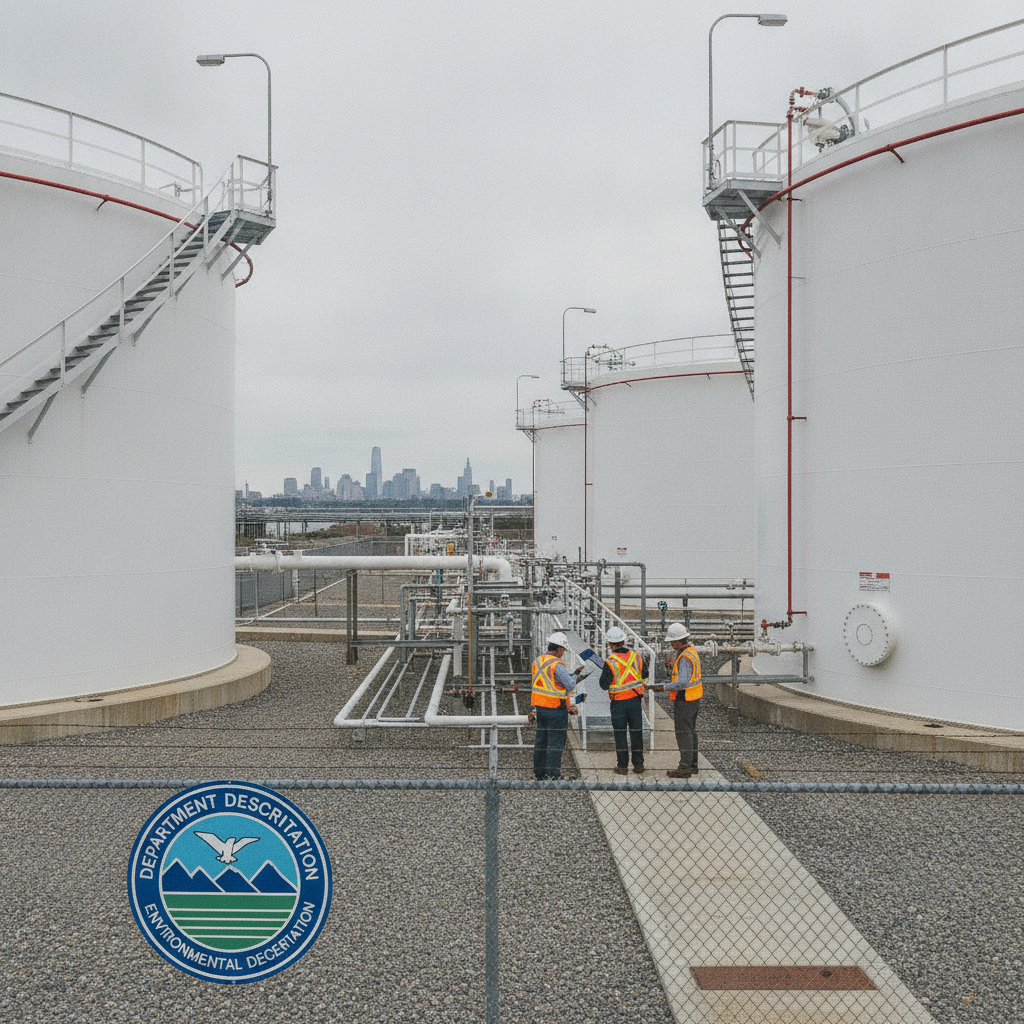
6 NYCRR Part 613 is New York’s state-level petroleum storage regulation administered by the Department of Environmental Conservation. This means facilities storing 1,100 gallons or more of petroleum must register with NY DEC and comply with ongoing inspection requirements separate from their SPCC plan obligations.
The PBS program kicks in at 1,100 gallons total petroleum storage capacity, which is 220 gallons lower than the federal 1,320-gallon threshold for SPCC plan requirements. NY DEC enforces PBS through facility registration, periodic inspections, and compliance monitoring that operates parallel to EPA’s SPCC oversight. Facilities must maintain PBS registration even if they already have an SPCC plan.
PBS covers all petroleum products including heating oil, diesel fuel, gasoline, waste oil, and lubricants stored in aboveground or underground tanks. The program requires annual registration renewal and subjects facilities to routine DEC inspections every 3-5 years. PBS violations can trigger enforcement actions independent of any federal SPCC citations.
How Does NY PBS Differ From Federal SPCC Requirements?

PBS requirements differ from federal SPCC obligations in threshold levels, oversight agencies, and compliance procedures. The programs operate independently with separate penalty structures and inspection protocols.
| Feature | 40 CFR Part 112 | NY PBS (6 NYCRR 613) |
|---|---|---|
| Storage threshold | 1,320 gallons | 1,100 gallons |
| Enforcement agency | EPA | NY DEC |
| Primary requirement | Written SPCC plan | Registration + compliance |
| Inspection frequency | Varies by EPA region | Every 3-5 years routine |
| Maximum penalty | $59,973 per day per violation | $37,500 per tank per violation |
| Documentation | Plan + inspection records | Registration + inspection records |
Federal SPCC focuses on spill prevention planning and secondary containment design. PBS emphasizes facility registration, ongoing compliance monitoring, and state-level enforcement coordination. EPA handles SPCC violations through federal enforcement actions while NY DEC processes PBS violations under state environmental law.
The 220-gallon difference in thresholds means some facilities need PBS registration but not SPCC plans. Conversely, facilities with exactly 1,320 gallons trigger both programs simultaneously. Most industrial facilities exceed both thresholds and must maintain dual compliance.
What Does NY DEC Registration Require?

NY DEC registration requires specific documentation and fees submitted through the department’s online portal. The process involves multiple steps with strict deadlines for initial registration and annual renewals.
Complete Form PBS-100 with facility details, tank specifications, and storage capacity calculations for each petroleum product type.
Submit registration fee of $100 per facility plus $25 per tank, with total fees ranging from $125-$500 depending on tank count.
Provide proof of financial responsibility through insurance certificates or alternative financial assurance mechanisms acceptable to DEC.
Schedule initial compliance inspection within 60 days of registration approval, which DEC conducts to verify submitted information.
Maintain current registration through annual renewals due January 31st each year with updated facility information and fee payments.
Submit spill incident reports within 2 hours of discovery and follow-up written reports within 10 days of any petroleum release.
Registration must be renewed annually regardless of facility changes. DEC tracks compliance through the PBS database and schedules routine inspections based on facility risk factors and compliance history. Late registration triggers additional penalties beyond the base fees.
Do You Need Both SPCC Plans and PBS Registration?

Facilities must maintain both PBS and SPCC compliance when storage capacities exceed both program thresholds. Most industrial operations storing petroleum in New York fall under dual jurisdiction.
- Facilities storing 1,100-1,319 gallons need only PBS registration since they fall below the federal SPCC threshold
- Operations with 1,320+ gallons require both PBS registration and written SPCC plans to satisfy each program’s distinct requirements
- Neither program substitutes for the other – PBS handles state oversight while SPCC covers federal spill prevention obligations
- Documentation can overlap but each agency maintains separate inspection and enforcement protocols
- Violations under one program don’t protect against citations under the other program’s requirements
Approximately 75% of New York facilities subject to PBS registration also trigger SPCC plan requirements based on DEC registration data. The overlap occurs because most commercial and industrial petroleum users store well above both thresholds. Farms storing diesel and heating oil frequently fall into the PBS-only category between 1,100-1,319 gallons.
SPCC plan insurance requirements often specify PBS compliance as a coverage condition since insurers want verification of all applicable regulatory adherence. Your SPCC plan template may reference PBS registration but cannot substitute for the separate DEC filing requirement.
How Does NY Handle SPCC Secondary Containment?
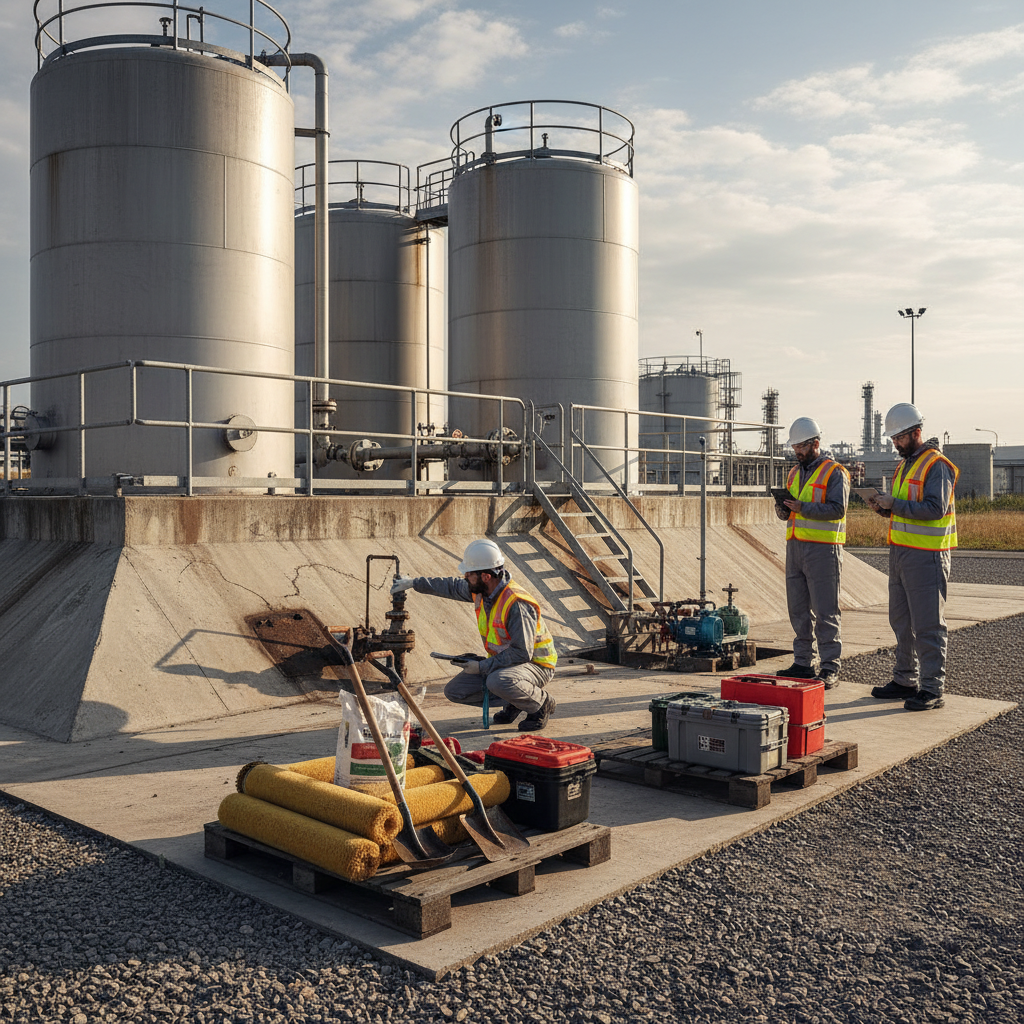
New York enforces federal secondary containment plus state-specific requirements through coordinated DEC and EPA oversight. The state adopts federal secondary containment minimums under 40 CFR Part 112 but adds inspection protocols and spill response coordination requirements.
NY DEC requires secondary containment systems to meet federal capacity requirements – generally 110% of the largest tank plus sufficient freeboard for precipitation. However, DEC inspectors verify containment integrity using state-specific criteria including visual inspections of containment walls, drainage systems, and valve operations. PBS inspections include containment adequacy assessments that complement but don’t replace SPCC plan secondary containment designs.
DEC maintains its own spill response protocols that activate when containment systems fail or when spills reach navigable waters under state jurisdiction. The department requires immediate spill notification regardless of volume and coordinates cleanup efforts with EPA when both agencies have jurisdiction. Secondary containment violations trigger both federal SPCC citations and state PBS enforcement actions when facilities are subject to dual oversight.
NYSDEC spill response teams work directly with facility operators during containment failures, providing technical assistance and oversight that goes beyond EPA’s typical SPCC enforcement approach. This hands-on involvement means facilities get faster regulatory response but face more intensive scrutiny during spill incidents.
Frequently Asked Questions
Can I use my federal SPCC plan to satisfy NY PBS requirements?
Your SPCC plan covers spill prevention but doesn’t satisfy PBS registration requirements. PBS requires separate registration with NY DEC plus ongoing compliance with 6 NYCRR Part 613 inspection and reporting obligations.
What happens if I only register for PBS but skip the SPCC plan?
You face violations from both agencies if your storage exceeds both thresholds. PBS registration handles state requirements but EPA can still cite you for missing SPCC plans if you store 1,320+ gallons of oil.
How often does NY DEC inspect PBS facilities?
DEC conducts routine PBS inspections every 3-5 years for compliant facilities, but high-risk or previously cited facilities get annual inspections. Inspection frequency increases after spill incidents or compliance violations.