Fuel tank installation cost estimates can triple when hidden expenses surface during construction. Site preparation, permits, and specialized labor add layers of expense that catch facility managers off-guard.
Key Takeaways:
- Complete AST installation costs range from $35,000-$150,000 depending on tank size and secondary containment requirements
- Site preparation and excavation add $8,000-$25,000 to projects requiring concrete pads or grading work
- Permit fees vary by jurisdiction from $500-$5,000, with electrical and fire department approvals adding separate costs
How Much Does Aboveground Storage Tank Installation Actually Cost?
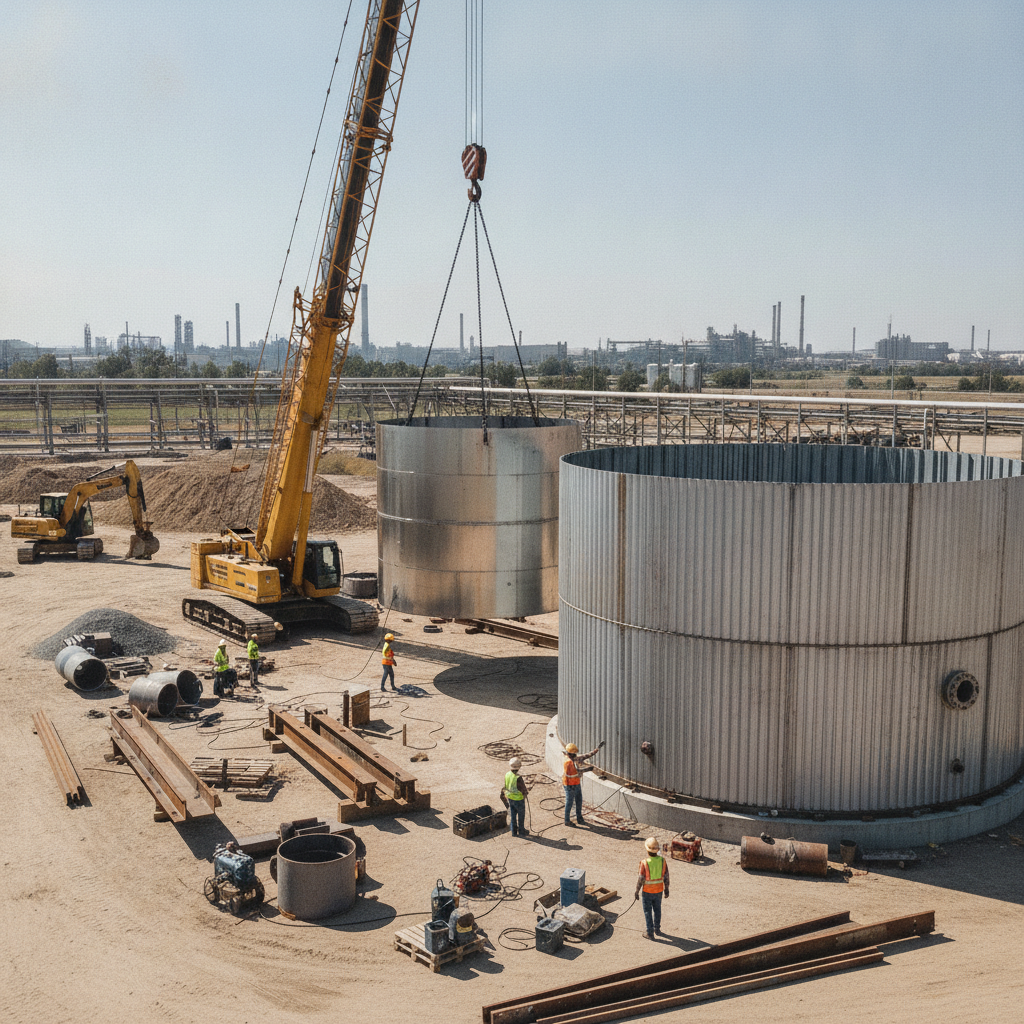
AST installation costs $35,000-$150,000 for complete projects. The price depends on tank capacity, construction type, and secondary containment requirements.
Double-walled AST installations cost 20-40% more than single-wall equivalents but eliminate separate containment construction. A 10,000-gallon double-wall AST installation averages $85,000-$120,000 including all components.
Here’s the cost breakdown by major system components:
| Component | Single-Wall AST | Double-Wall AST |
|---|---|---|
| Tank and delivery | $15,000-$35,000 | $22,000-$48,000 |
| Site preparation | $8,000-$18,000 | $6,000-$12,000 |
| Secondary containment | $12,000-$25,000 | Included in tank |
| Installation labor | $8,000-$15,000 | $10,000-$18,000 |
| Permits and inspections | $2,000-$8,000 | $2,000-$8,000 |
| Total Range | $45,000-$101,000 | $40,000-$86,000 |
Labor costs vary by region and tank complexity. Professional installation teams charge $150-$200 per hour with projects requiring 3-7 days depending on site conditions and system specifications.
What Drives Site Preparation and Excavation Costs Higher?
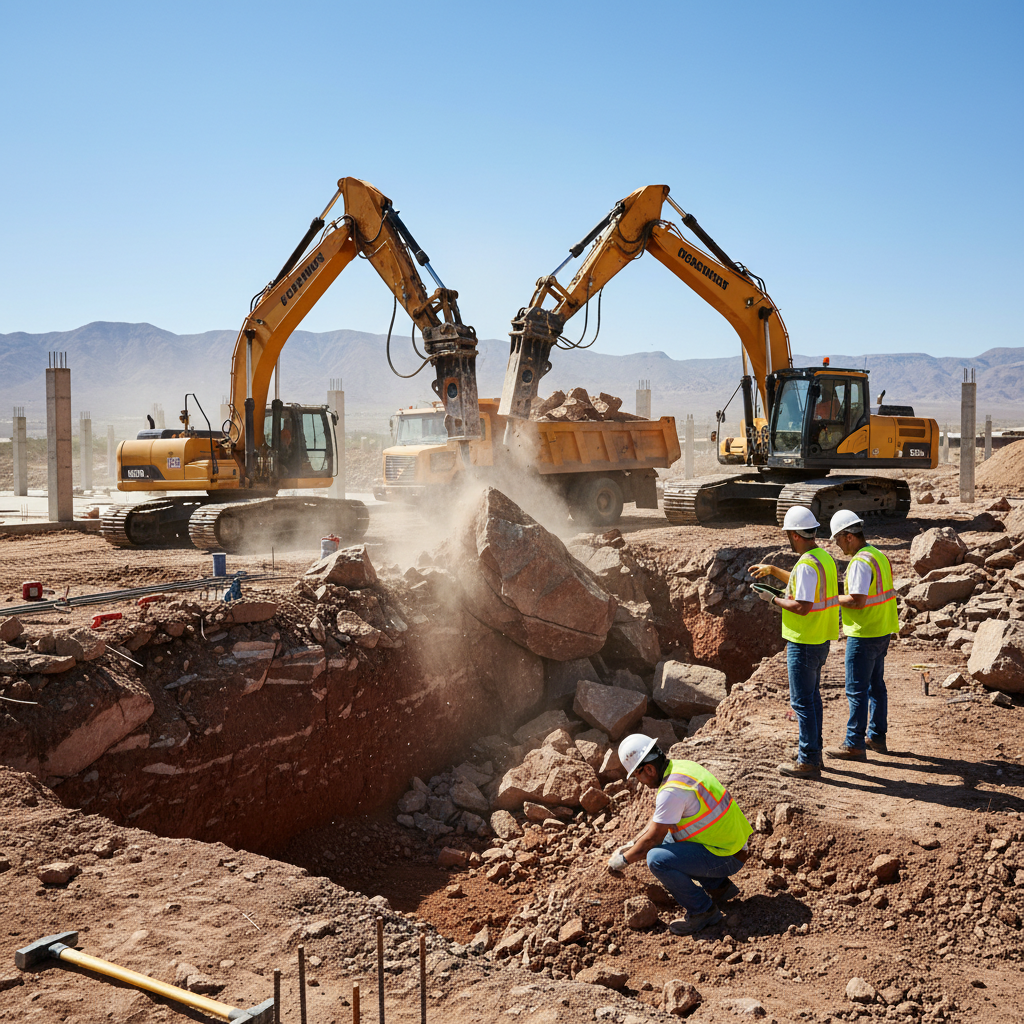
Site preparation requires excavation and concrete pad installation. These costs escalate quickly when soil conditions or drainage create complications.
Rocky or clay soil conditions increase excavation costs by $5-12 per cubic yard above standard rates. Crews need specialized equipment and extra time to achieve proper grades.
Concrete containment pads cost $15-25 per square foot for 6-inch thickness meeting UL 142 standards. A 20×30-foot pad runs $4,500-$7,500 in materials and labor.
Drainage and grading work adds $3,000-$8,000 when sites require slopes, french drains, or surface water management systems to prevent pooling around tanks.
Utility line relocation costs $2,500-$12,000 when existing electrical, gas, or water lines interfere with tank placement or secondary containment construction.
Access road improvements add $8-15 per square foot when delivery trucks and cranes need reinforced surfaces to reach installation sites without damaging existing pavement.
Soil testing before construction identifies problems early. Poor drainage or unstable soil can double excavation expenses if discovered during installation.
What Permits Do AST Installations Require and What Do They Cost?

AST installation requires multiple permit types with varying fees. Each jurisdiction sets different rates and approval timelines.
Building permits range $500-$2,500 while fire department plan reviews add $750-$3,000 in major metro areas. Environmental permits cost more in states with strict groundwater protection rules.
| Permit Type | Small Cities | Major Metro | State Requirements |
|---|---|---|---|
| Building permit | $500-$1,200 | $1,500-$2,500 | Required nationwide |
| Fire department review | $300-$800 | $1,200-$3,000 | UL 142 compliance check |
| Environmental permit | $200-$600 | $800-$2,000 | Varies by state |
| Electrical permit | $150-$400 | $400-$1,000 | Separate from building |
| Total Permit Costs | $1,150-$3,000 | $3,900-$8,500 | Plus state fees |
UL 142 compliance documentation is required for all permits. Tanks must meet construction standards before jurisdictions approve installations.
Some states require separate tank registration fees of $100-$500 annually. California, New York, and Texas have additional oversight programs with their own permit requirements and costs.
AST tank construction type selection affects permit complexity. Double-walled tanks often qualify for expedited reviews because they include integral secondary containment.
How Much Do Crane Rental and Equipment Costs Add to Projects?
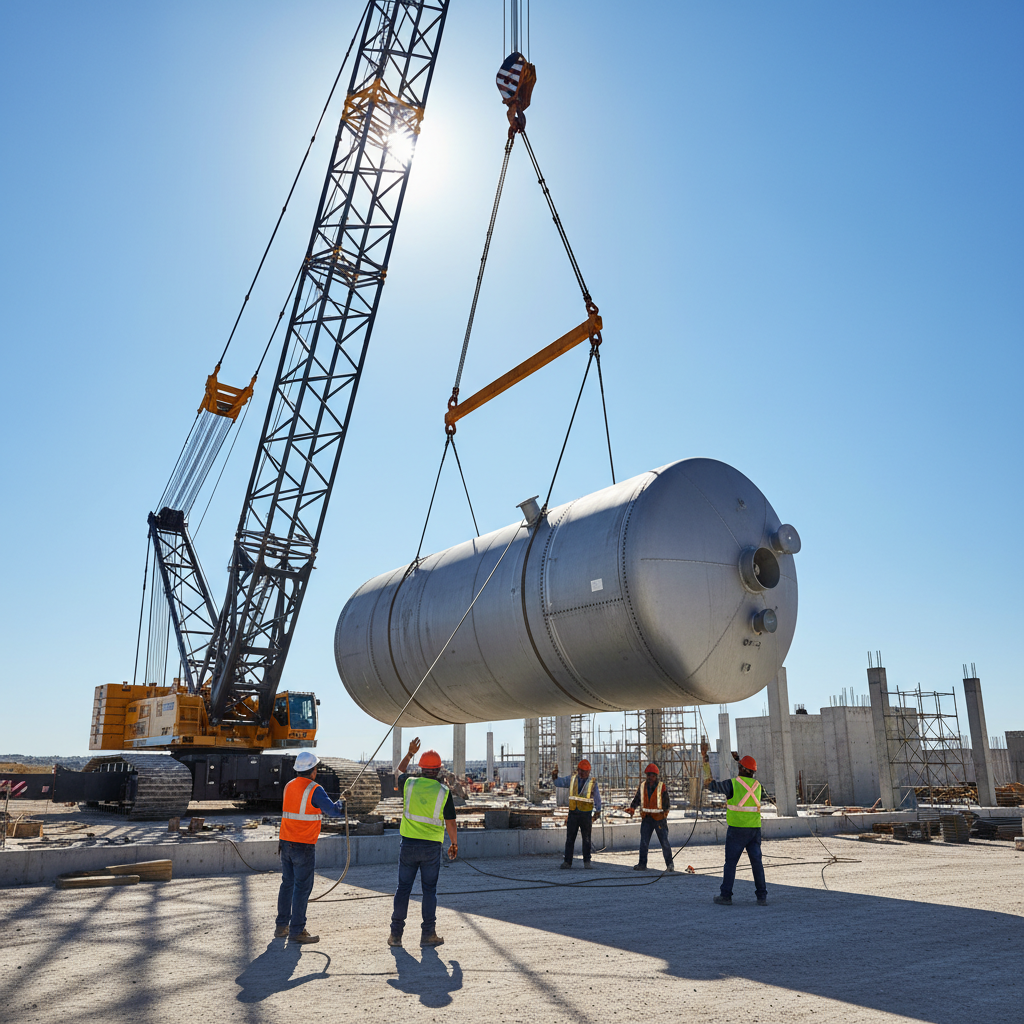
Tank installation requires crane rental and specialized equipment. These costs depend on tank weight and site accessibility.
A 50-ton crane rental runs $1,200-$1,800 per day with 2-day minimum for most AST installations. Larger tanks need 90-ton cranes at $2,200-$3,200 daily rates.
Equipment mobilization adds $800-$1,500 to transport cranes to job sites. Remote locations increase mobilization fees by 25-50% due to longer travel times.
Double-walled AST tanks weigh 40-60% more than single-wall equivalents. A 10,000-gallon double-wall tank weighs 8,500-12,000 pounds empty, requiring larger cranes and longer installation windows.
Operator certification requirements vary by state. Certified crane operators charge $65-$85 per hour compared to $45-$60 for general equipment operators.
Site conditions affect crane requirements. Soft soil, overhead obstacles, or tight access areas force contractors to use specialized equipment at premium rates.
What Do Electrical Connections and Piping Systems Cost?
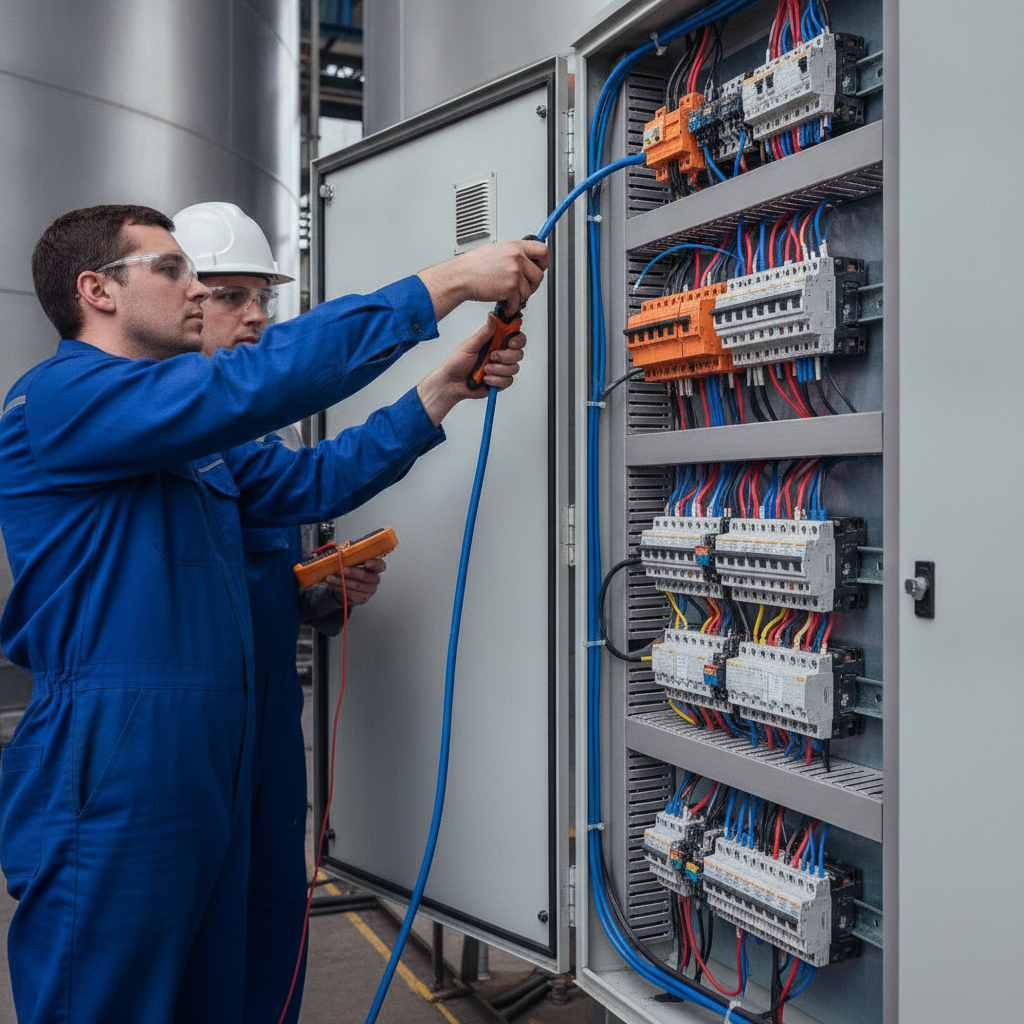
Fuel tank systems require electrical and piping connections. Installation follows specific steps to meet safety codes.
Upgrade electrical panels to handle tank monitoring systems and dispensers. Panel upgrades cost $2,500-$4,500 including new breakers and safety disconnects required by electrical codes.
Install conduit and wiring from panels to tank locations. Buried electrical conduit runs $8-15 per linear foot while overhead installations cost $12-22 per foot including poles and weather-resistant components.
Connect fuel piping from tanks to dispensers or fill points. Fuel piping runs $25-40 per linear foot installed, including fittings, supports, and leak detection components required under current regulations.
Hook up dispensers and control systems. Dispenser connections average $1,200-$2,800 per unit depending on pump capacity and electronic payment system integration.
Commission monitoring systems for leak detection and inventory management. System setup and testing costs $800-$1,500 after hardware installation is complete.
Electrical connections average $3,500-$8,000 for complete installations. Projects requiring long wire runs or multiple dispensers reach the higher end of this range.
Grounding and bonding work adds $400-$800 to prevent static electricity buildup during fuel transfers. This work requires certified electricians familiar with hazardous location wiring methods.
What Testing and Inspection Fees Should You Budget?
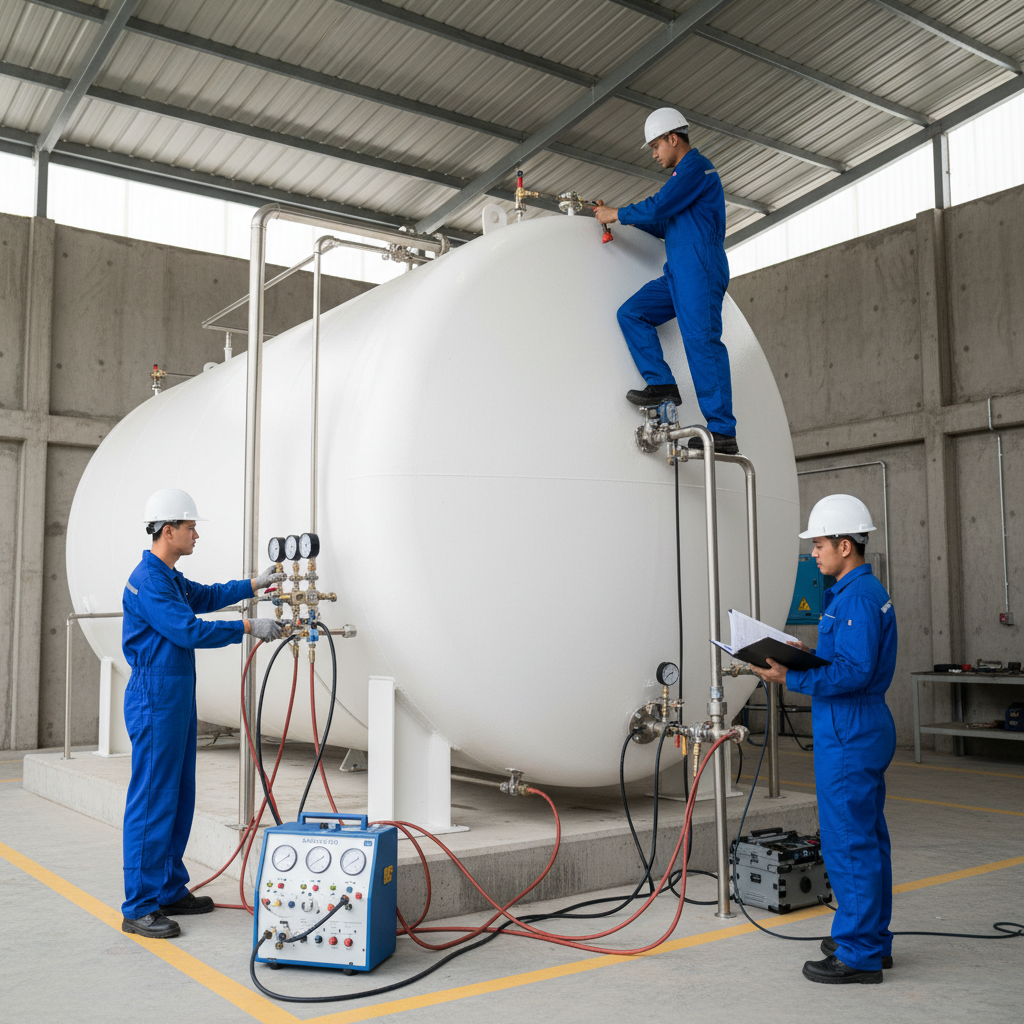
AST installation requires multiple inspection and testing phases. Each phase has separate fees and must pass before system operation.
Third-party tank integrity testing verifies new tanks meet UL 142 standards before fuel loading. Initial tank testing runs $1,500-$3,500 depending on tank size and test complexity.
Leak detection system commissioning confirms monitoring equipment functions properly and meets regulatory sensitivity requirements. Commissioning fees range $800-$1,800 per system.
Fire department final inspections verify installations meet local fire codes and NFPA standards. Final inspection charges cost $200-$800 depending on jurisdiction size and system complexity.
Environmental compliance testing includes soil sampling around secondary containment areas and groundwater monitoring well installation where required. Environmental testing costs $1,200-$3,200 for initial compliance documentation.
Ongoing compliance testing includes annual leak detection testing at $400-800 and periodic tank inspections required under SPCC regulations for facilities storing over 1,320 gallons of oil.
Secondary containment systems need separate testing to verify capacity and integrity. Containment testing adds $600-$1,200 to initial commissioning costs.
Some jurisdictions require pre-operational inspections by multiple agencies. Budget extra time and fees when fire, building, and environmental departments each conduct separate reviews.
Frequently Asked Questions
Do I need special contractors for fuel tank installation?
Licensed tank installation contractors must handle AST placement and fuel system connections. Most states require specific certifications for fuel system work beyond general construction licenses. Tank contractors carry specialized insurance and understand fire code requirements that general contractors often lack.
How long does the permit approval process take?
Building permits typically take 2-6 weeks while fire department reviews add another 2-4 weeks. Environmental permits can extend the timeline to 8-12 weeks in some jurisdictions. Submit permit applications early because delays in approval push back delivery schedules and increase project costs.
Can you install ASTs without concrete pads?
UL 142 standards require proper foundations for AST installations. While concrete isn’t always mandatory, proper grading and compacted aggregate bases are required for tank stability and secondary containment. Most jurisdictions prefer concrete pads because they provide better long-term stability and easier inspection access.