
Chemical storage tank leak detection systems prevent disasters that cost companies $180,000 per incident in cleanup costs alone. The right monitoring technology catches problems before they become environmental nightmares.
Key Takeaways:
- Automatic tank gauging systems detect leaks as small as 0.2 gallons per hour within 24 hours
- EPA requires monthly leak detection testing under 40 CFR Part 280 for regulated storage tanks
- Interstitial monitoring costs 40% less to operate than statistical inventory reconciliation over 10 years
What Are the Five Main Types of Chemical Storage Tank Leak Detection Systems?
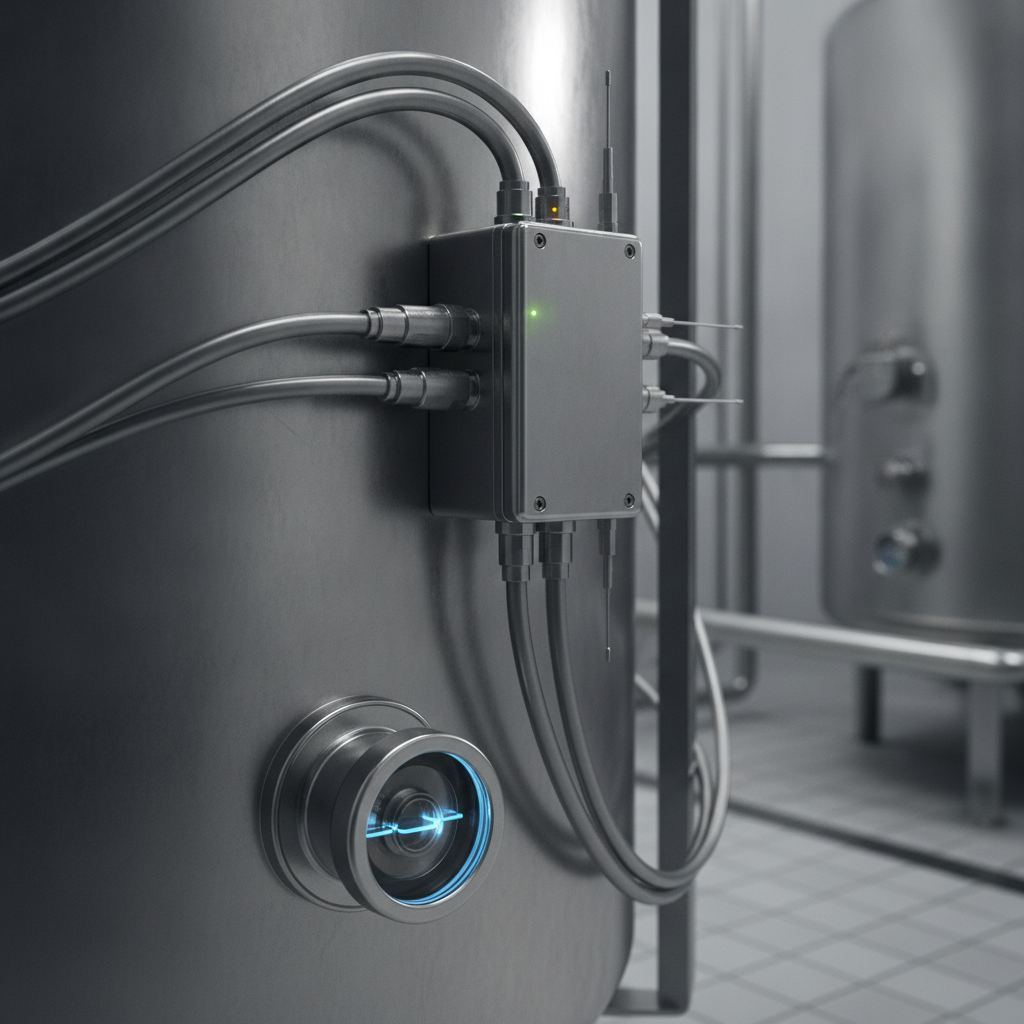
Chemical storage tank leak detection systems are electronic monitoring technologies that identify tank integrity failures through continuous or periodic measurement of stored product levels, containment spaces, or environmental conditions around storage vessels. This means facilities can catch leaks before they become reportable spills or contamination events.
The EPA recognizes five distinct detection technologies under various federal regulations. Automatic tank gauging (ATG) systems measure product level changes using electronic probes and calculate leak rates based on volume loss over time. Statistical inventory reconciliation compares delivery records against dispensing data to identify unexplained product loss patterns. Interstitial monitoring sensors detect product presence in the space between double-wall tanks or within containment areas.
Groundwater monitoring wells sample soil and water around tank systems to detect contamination from uncontrolled releases. Manual tank gauging involves physical measurement of product levels at specified intervals, though this method only qualifies for small tanks under strict conditions.
Electronic monitoring systems outperform manual methods because they provide continuous surveillance and immediate alarm capability. Manual gauging requires human presence during testing windows and cannot detect small leaks that occur between measurement intervals. Most facilities with tanks over 2,000 gallons must use automated detection under current EPA rules.
How Do Automatic Tank Gauging Systems Actually Work?
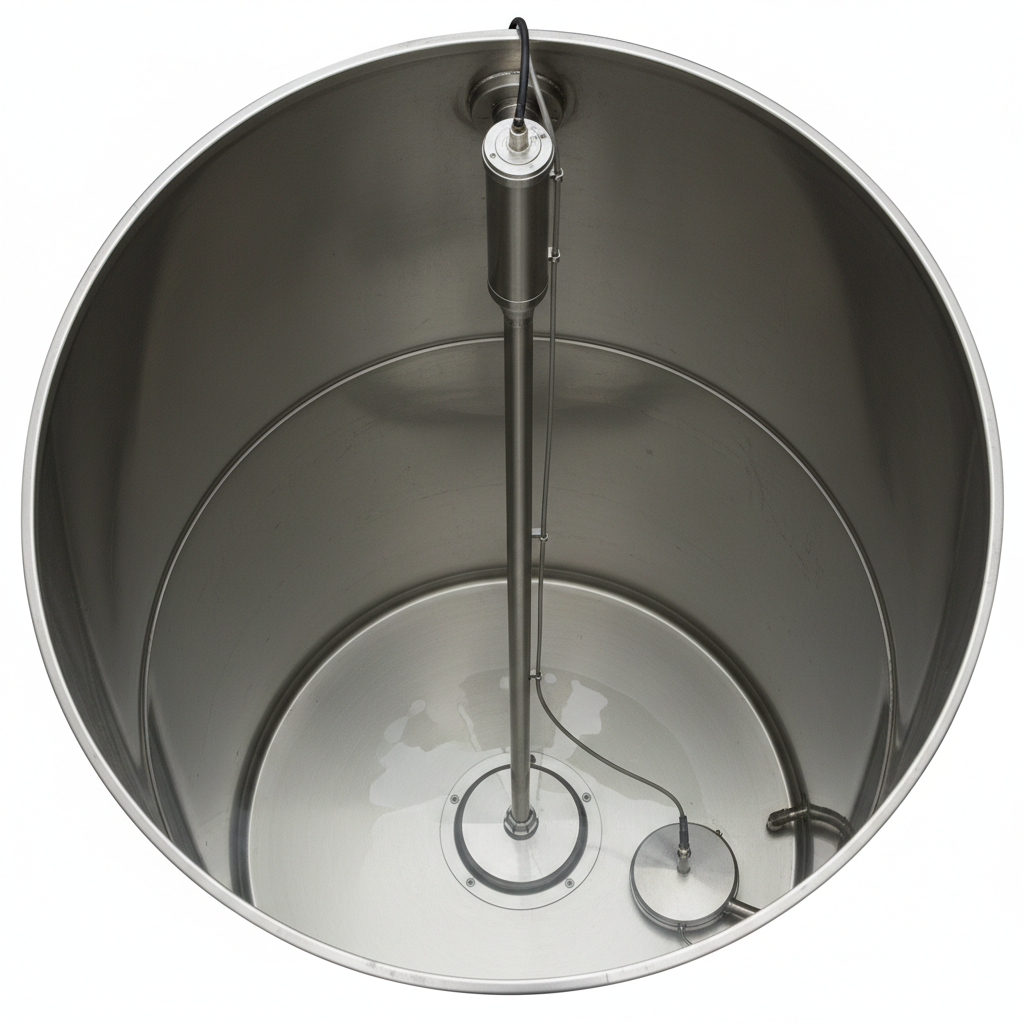
Automatic tank gauging systems measure product level changes to detect leaks through a systematic monitoring process that runs continuously in the background of normal operations.
Install the electronic probe: Mount a magnetostrictive or hydrostatic pressure sensor inside the tank to measure product height with 0.1-inch precision.
Calibrate the system: Program tank dimensions and product density into the control unit so volume calculations match actual tank capacity.
Conduct static testing periods: Run leak detection tests during 8-hour windows when no product enters or leaves the tank, typically overnight.
Calculate hourly leak rates: The system compares product levels at the start and end of the test period, adjusting for temperature effects on liquid volume.
Trigger alarms for threshold violations: If calculated leak rates exceed 0.2 gallons per hour for three consecutive tests, the system activates visual and audible alarms.
Generate compliance reports: The control unit stores test results and creates monthly documentation showing pass/fail status for each detection cycle.
Sensor placement matters because probes must sit in the lowest part of the tank where small amounts of leaked product would first be detected. Calibration requires accurate tank measurements because volume calculations depend on precise diameter and length data. ATG systems detect leaks as small as 0.2 gallons per hour with 95% probability of detection when properly installed and maintained.
Monthly testing requirements mean the system must successfully complete at least one valid leak detection test every 30 days. Failed tests require immediate investigation and repair before the tank returns to service.
Interstitial Monitoring vs Statistical Inventory Reconciliation: Performance Comparison

Interstitial monitoring outperforms statistical inventory reconciliation in detection speed, accuracy, and long-term operating costs, though each method serves different tank configurations and regulatory requirements.
| Feature | Interstitial Monitoring | Statistical Inventory Reconciliation |
|---|---|---|
| Detection Time | 2-4 hours for small leaks | 30-day minimum testing cycle |
| Leak Size Threshold | 0.1 gallons per hour | 0.2 gallons per hour |
| Tank Compatibility | Double-wall tanks only | Single or double-wall tanks |
| Installation Cost | $3,000-$5,000 per tank | $1,500-$2,500 per tank |
| Annual Operating Cost | $800-$1,200 per tank | $1,500-$2,000 per tank |
| Regulatory Acceptance | EPA approved for all applications | Limited to specific tank sizes |
| Maintenance Requirements | Sensor cleaning every 6 months | Daily inventory reconciliation |
| False Alarm Rate | Less than 2% when calibrated | 10-15% due to measurement errors |
Interstitial monitoring sensors detect product presence in the space between tank walls or within secondary containment areas. When product leaks from the inner tank wall, sensors immediately detect the presence of liquid where none should exist. This provides near-instantaneous leak detection because the monitoring space has zero tolerance for product presence.
Statistical inventory reconciliation methods compare measured inventory against book inventory (deliveries minus dispensing) to identify unexplained losses. The system requires 30 days of data to establish statistical confidence in leak detection results. Small leaks often fall within normal measurement variation, making detection unreliable for releases under 0.2 gallons per hour.
Double-wall tank monitoring protocols allow interstitial systems to eliminate most secondary containment volume requirements under 40 CFR Part 112. Facilities with interstitial monitoring need only 10% of tank capacity in secondary containment instead of the standard 110% rule.
What EPA Leak Detection Testing Requirements Apply to Your Tank System?
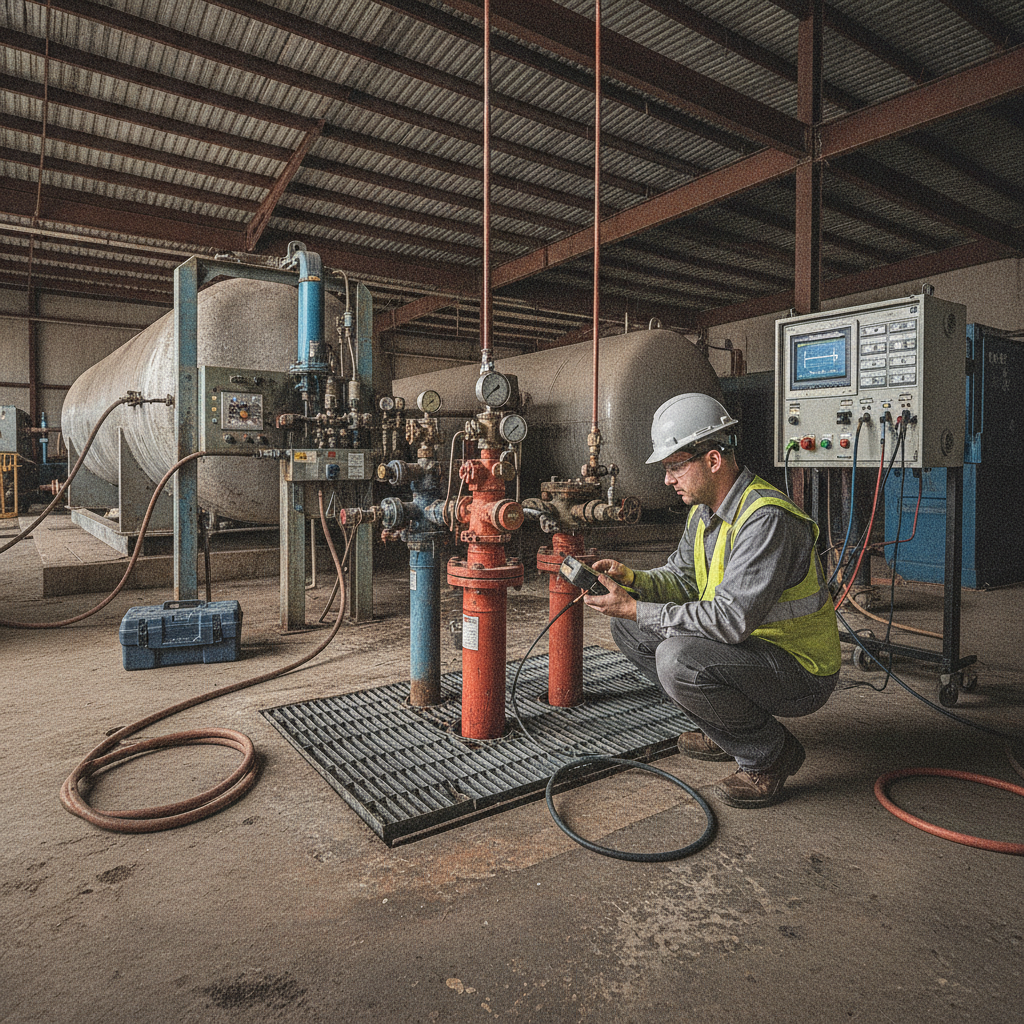
EPA regulations mandate specific testing frequencies for different tank categories, with penalties up to $59,973 per day for non-compliance with detection requirements.
- Underground storage tanks: Monthly leak detection testing required under 40 CFR Part 280 for tanks containing petroleum products or hazardous substances over 110 gallons
- SPCC aboveground tanks: Annual integrity testing required under 40 CFR Part 112 for tanks over 660 gallons at facilities with total oil storage exceeding 1,320 gallons
- Chemical storage tanks: Monthly testing required if tanks store EPA-listed hazardous substances or fall under state-specific monitoring programs
- Documentation requirements: Test results must be maintained for three years and include date, time, test method, results, and corrective actions taken for any failures
- Acceptable methods: EPA recognizes automatic tank gauging, interstitial monitoring, statistical inventory reconciliation, groundwater monitoring, and manual gauging for specific applications
- Emergency response: Failed tests trigger immediate investigation requirements and tank removal from service until leak source is identified and repaired
Monthly testing requirements mean facilities must successfully complete leak detection within each 30-day period. Skipping a month or failing to document test results constitutes a violation regardless of whether leaks actually occurred. Testing windows typically run during overnight hours when tank activity stops and static conditions allow accurate measurement.
Tank leak detection requirements apply differently based on tank age, contents, and location. New tanks installed after 1988 need continuous monitoring, while older tanks may qualify for periodic testing under grandfather provisions. The penalty structure escalates quickly because environmental contamination from undetected leaks can cost millions in cleanup expenses.
Which Monitoring System Do You Need for Different Chemical Storage Applications?

Storage tank applications require specific monitoring technologies based on chemical compatibility, tank design, and regulatory drivers that vary significantly across facility types.
| Application | Recommended System | Secondary Containment Impact | Typical Cost |
|---|---|---|---|
| Underground petroleum tanks | Automatic Tank Gauging | No reduction in requirements | $4,000-$6,000 |
| Double-wall chemical tanks | Interstitial Monitoring | 85% containment volume reduction | $5,000-$8,000 |
| Large aboveground fuel tanks | Statistical Inventory Reconciliation | No impact on containment sizing | $2,500-$4,000 |
| Corrosive chemical storage | Groundwater Monitoring Wells | Must meet full containment rules | $8,000-$12,000 |
| Small heating oil tanks | Manual Tank Gauging | Standard containment required | $500-$1,000 |
| Waste oil collection tanks | Automatic Tank Gauging + Containment | Standard 110% rule applies | $5,500-$7,500 |
Underground storage scenarios need continuous monitoring because soil contamination spreads quickly and cleanup costs escalate rapidly. Automatic tank gauging works for most petroleum products and provides reliable detection within regulatory timeframes. Chemical compatibility becomes critical when storing acids, bases, or solvents that attack standard sensors.
Aboveground applications often integrate monitoring with physical containment systems like spill containment pallets or secondary containment berms. Double-wall tanks with interstitial monitoring eliminate 85% of secondary containment volume requirements because the monitoring system provides equivalent environmental protection. This saves significant space and installation costs for large tank installations.
Container-specific containment sizing depends on whether monitoring systems qualify for containment reductions under EPA rules. Facilities using approved leak detection can often reduce containment volumes, but the monitoring system must meet specific performance standards and maintenance requirements. Single-wall tanks always need full secondary containment regardless of monitoring technology.
Chemical storage applications require sensor materials that resist corrosion from stored products. Hydrofluoric acid tanks need specially coated sensors, while petroleum products work with standard equipment. Always verify material compatibility before selecting monitoring technology because sensor failure can create false alarms or missed detections.
Frequently Asked Questions
How often do chemical storage tanks need leak detection testing?
Underground storage tanks require monthly leak detection testing under EPA regulations. Aboveground tanks covered by SPCC plans typically need annual testing, though some systems with continuous monitoring can extend intervals. Documentation must prove testing occurred within required timeframes.
What’s the difference between leak detection and leak prevention for chemical tanks?
Leak detection systems monitor existing tanks to identify when leaks occur, while leak prevention focuses on tank design and secondary containment to stop leaks from reaching the environment. Most facilities need both – monitoring systems to catch problems early and containment systems to control releases. The two approaches work together to provide complete environmental protection.
Can you use the same leak detection system for different types of chemicals?
Some leak detection technologies work across multiple chemical types, but sensor materials must be compatible with stored products. Automatic tank gauging works for most liquids, while interstitial monitoring sensors need chemical-resistant construction. Always verify compatibility before installation because incompatible materials can fail without warning.